
Passenger Journals Reveal Life Aboard Hantavirus Outbreak Cruise
Firsthand accounts from MV Hondius passengers reveal harrowing details as a hantavirus outbreak unfolds aboard the expedition vessel sailing toward Spain's Canary Islands in 2026, stranding over 140 people at sea.

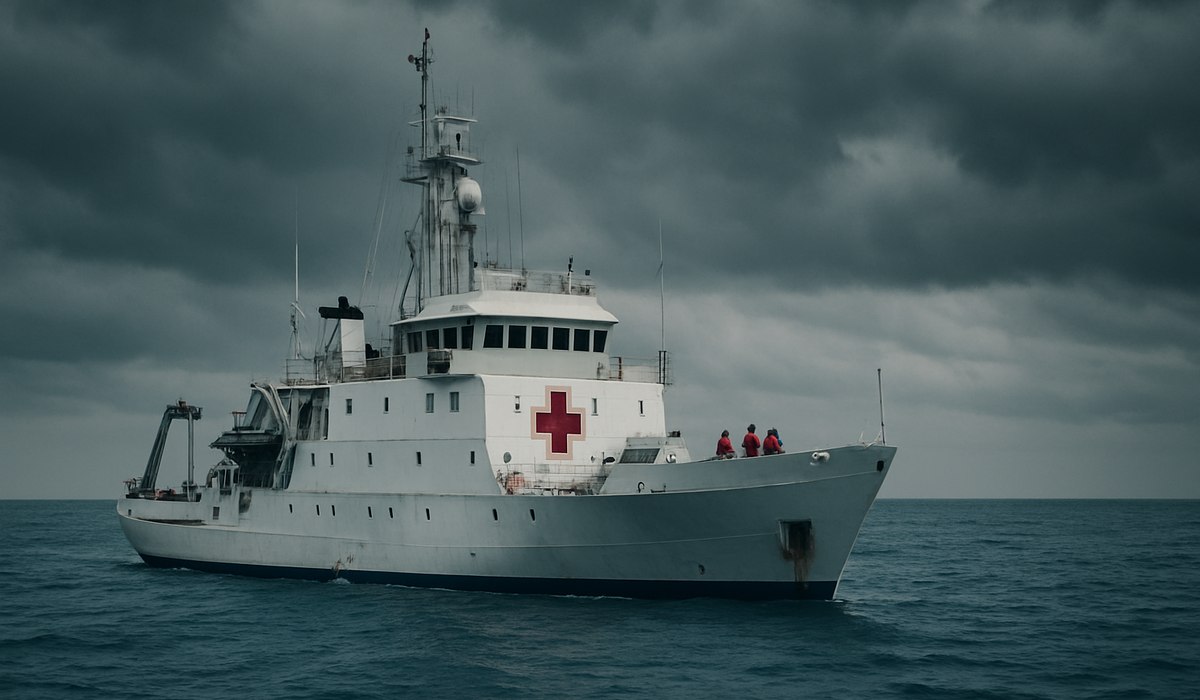
Image generated by AI
Passenger Journals Reveal Unfolding Crisis Aboard MV Hondius
Firsthand accounts from travelers stranded aboard the Dutch-flagged MV Hondius are emerging as a confirmed hantavirus outbreak transforms an Antarctic expedition cruise into an unprecedented medical emergency. As the ice-strengthened vessel navigates toward Spain's Canary Islands with more than 140 passengers and crew, personal diaries and social media posts paint a haunting picture of life confined to cabins while international health authorities grapple with a fast-moving crisis at sea. The situation underscores both the vulnerabilities of expedition cruising in remote regions and the human toll when infectious disease strikes a floating community thousands of miles from major medical facilities.
Antarctic Expedition Turned Medical Crisis
The MV Hondius embarked from Ushuaia, Argentina, in early April 2026 as part of a premium expedition voyage marketed to adventure travelers seeking encounters with Antarctica and remote South Atlantic islands. The itinerary included stops at South Georgia, Saint Helena, and other isolated locations—destinations that typically attract experienced cruisers willing to accept the trade-offs of small-ship travel: cramped quarters, minimal onboard entertainment, and heavy reliance on naturalist lectures and guided excursions.
What began as a dream voyage deteriorated rapidly in late April when the first serious illness was reported as the ship sailed northward toward Africa. Within days, health authorities began linking multiple cases to hantavirus infection, a potentially fatal virus rarely documented among cruise passengers. By early May, the vessel sat anchored offshore from Cape Verde, effectively quarantined while remaining passengers endured cabin confinement and mounting anxiety. According to coverage from international health agencies, at least three deaths have been linked to the outbreak, with additional suspected cases identified both among those still aboard and passengers who disembarked at earlier ports.
For more context on expedition cruising operations, see our complete guide to Antarctic cruise safety.
Timeline of Outbreak: From South Atlantic to Cape Verde
| Date/Period | Event | Location | Key Details |
|---|---|---|---|
| Early April 2026 | MV Hondius departs | Ushuaia, Argentina | 150 passengers and crew board for Antarctic expedition |
| Mid-April 2026 | Voyage progresses through South Atlantic | Antarctic waters | Ship visits remote islands; passengers conduct excursions |
| Late April 2026 | First serious illness reported | South Atlantic en route north | Single passenger falls gravely ill; airlifted for treatment |
| Late April 2026 | Testing begins | Multiple ports | Disembarked passengers test positive for hantavirus |
| Early May 2026 | Outbreak confirmed | Cape Verde offshore | Three deaths confirmed; additional suspected cases identified |
| Early May 2026 | Ship anchored; authorities assess | Cape Verde waters | Vessel kept offshore; international health agencies deploy response |
| May 8, 2026 | Passenger accounts surface | Global media | Diaries and social posts reveal life aboard quarantined ship |
Life Aboard a Quarantined Vessel
Passenger journals paint a picture of abrupt confinement that resembles pandemic-era cruise ship lockdowns, yet with the added anxiety of dealing with an unfamiliar virus in a remote region. Many travelers describe being instructed to remain in their cabins after confirmed cases emerged, transforming what was sold as an open-deck adventure into a confined experience dominated by closed doors, corridor check-ins, and isolation from fellow passengers.
Crew members, already stretched thin on small expedition vessels, have shifted into crisis management mode. Food deliveries now occur on staggered schedules to minimize corridor congestion, with passengers leaving dishes outside their cabins for collection and sanitization. Routine housekeeping has been replaced by targeted disinfection protocols focusing on common areas—lecture lounges, dining venues, and observation decks—where close contact was previously encouraged.
Some passengers attempt to maintain psychological equilibrium through structured routines: monitoring the Atlantic horizon from portholes, participating in virtual briefings transmitted through onboard communications systems, and documenting their experiences in journals that increasingly focus on anxiety rather than adventure. Others report rising despair as news arrives about deaths linked to the voyage and the uncertainty of whether additional cases will emerge from their own cabin mates.
A recurring theme across personal narratives is the psychological dissonance of being surrounded by spectacular maritime scenery while effectively imprisoned—unable to set foot on land, separated from loved ones by time zones and maritime isolation. Several passengers have likened the atmosphere to early 2020 cruise ship quarantines, with the added burden of confronting a lesser-known infectious disease while far from world-class medical infrastructure.
Health Authorities and Next Steps
International health organizations have classified at least eight individuals associated with the MV Hondius voyage as suspected or confirmed hantavirus cases. The virus involved is believed to be Andes hantavirus, a strain endemic to South America that, in rare circumstances, can transmit between individuals in close contact—a detail that has shaped both medical protocols and passenger fear.
Remaining aboard the vessel undergo regular temperature checks and symptom screenings with particular attention to fever, muscle pain, and respiratory distress associated with hantavirus pulmonary syndrome. Close contacts of confirmed cases receive intensified monitoring, reflecting epidemiological concerns about person-to-person transmission within the confined shipboard environment.
Several severely ill patients, including the ship's physician, have been airlifted to hospitals in Europe and South Africa for advanced critical care. These evacuations underscore the limitations of shipboard medical facilities when confronting rapidly deteriorating conditions. The decision to anchor the vessel off Cape Verde rather than allow normal docking reflects the delicate balance authorities must maintain: keeping the ship at sea to prevent potential onshore spread while ensuring those aboard receive adequate food, supplies, and medical care.
For current travel advisories, consult CDC travel health notices and check the latest updates from Cruise Critic's health and safety resources.
Cruise Itinerary at a Glance
| Port | Country | Visit Type | Days at Port |
|---|---|---|---|
| Ushuaia | Argentina | Embarkation | 1 day |
| Antarctic Peninsula | Antarctica | Expedition/excursion | 5 days |
| South Georgia | British Overseas Territory | Landing | 3 days |
| Saint Helena | British Overseas Territory | Landing | 2 days |
| Cape Verde | Island Nation | Originally scheduled | Never docked due to outbreak |
| Canary Islands | Spain | Disembarkation port | Originally planned |
Note: Current voyage status remains fluid; passengers should not expect normal itinerary completion.
Ship Features and Expedition Specifications
The MV Hondius is an ice-strengthened expedition vessel built specifically for polar and remote-region cruising. With capacity for approximately 150 passengers, it operates at a scale far smaller than mainstream cruise ships, enabling access to remote landing sites and narrow fjords inaccessible to larger vessels. The ship features naturalist-focused programming, onboard lecture suites, and outdoor observation areas designed for wildlife viewing rather than high-volume entertainment.
Accommodations consist of compact cabins—a trade-off expedition passengers accept in exchange for destination access. Common areas include dining venues, a library, and several indoor gathering spaces where passengers traditionally congregate for briefings and social events. It is precisely this design—small, intimate, conducive to close interpersonal contact—that makes the vessel vulnerable to rapid disease spread in outbreak scenarios.
The MV Hondius operates under the Hondius cruise line, which specializes in
Disclaimer
This article is for informational and educational purposes only. It does not constitute legal, financial, or professional advice. While we strive to provide accurate and up-to-date information, travel policies, regulations, and conditions change rapidly. Always verify information with official sources before making travel decisions. Nomad Lawyer makes no representations about the accuracy, reliability, completeness, or suitability of the information provided. Readers should consult qualified professionals for advice specific to their circumstances. The views expressed in this article are those of the author and do not necessarily reflect the views of Nomad Lawyer.
Preeti Gunjan
Contributor & Community Manager
A passionate traveller and community builder. Preeti helps grow the Nomad Lawyer community, fostering engagement and bringing the reader experience to life.
Learn more about our team →