
Security Reality: Papua New Guinea Solo Female Travel Safety Guide
Independent travel across Papua New Guinea presents severe safety risks for unescorted women. Read Port Moresby and Highlands safety protocols.

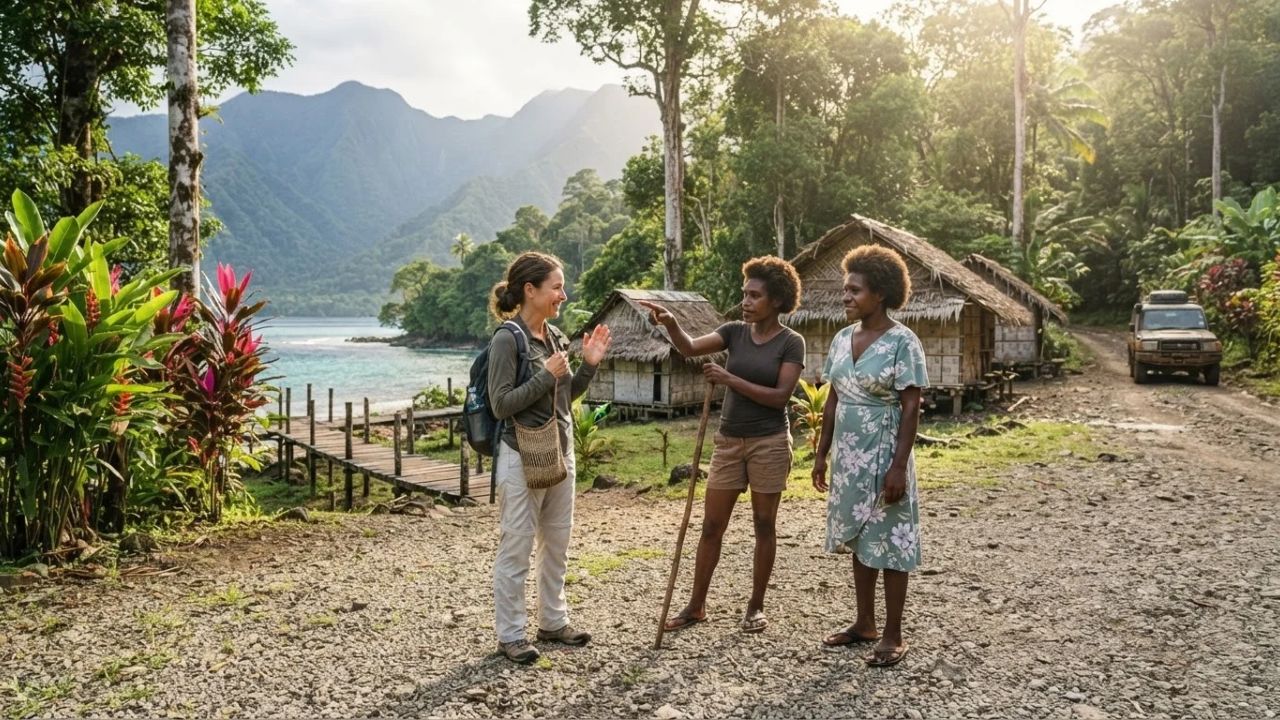
Image generated by AI
Traveling independently across Papua New Guinea presents severe personal security risks for unaccompanied women due to active gang violence, armed carjackings, and volatile tribal conflicts in the Highlands. Navigating these hazards requires structured security planning, private transport, and comprehensive medical evacuation insurance.
The Shift Toward Managed Expedition Tourism
A significant trend in adventure travel is the transition from independent backpacking toward highly structured, managed expedition tourism in remote destinations. In countries experiencing high levels of violent crime and limited infrastructure, unescorted travel is increasingly replaced by vetted lodge-to-lodge transfers and guided group itineraries. This approach is driven by travelers recognizing that safety in volatile regions depends on pre-arranged security, formal community introductions, and professional logistics.
By coordinating visits with established operators and respecting local kinship systems, travelers can explore remote provinces while minimizing security risks.
Urban Transit Hazards in Port Moresby and Lae
Urban transit hubs present severe security challenges for unescorted travelers:
- Public Transport Bans: Public Motor Vehicles (PMVs) and street taxis are off-limits for unescorted women due to high rates of physical assault, armed robbery, and harassment.
- Volatile Urban Zones: High unemployment rates fuel criminal gangs (raskols) near settlements in Port Moresby, including Hohola and 2-Mile Hill.
- Overland Roadblocks: High-risk corridors near Madang and Lae are prone to armed carjackings and illegal roadblocks.
- Traffic Accident Protocol: In the event of a traffic accident, travelers are instructed never to exit their vehicles if a crowd gathers, but to drive directly to the nearest secure police station.
These conditions make private transport and gated accommodation with 24-hour security essential for urban stays.
Highlands Volatility and Coastal Security
Security conditions vary across Papua New Guinea's geographic provinces:
- Highlands Region: Enga Province, Hela Province, and the Southern Highlands Province experience volatile tribal conflicts involving modern firearms.
- Cultural Gathering Hubs: Visiting cultural centers such as Mount Hagen and Goroka requires structured group itineraries and security escorts.
- Coastal Regions: Milne Bay Province and outlying island territories generally maintain calmer social environments, though sporadic incidents of piracy and boat robberies occur in maritime waters.
- Coastal Transit: Exploring island passages requires private maritime charters with verified local guides, avoiding unvetted open banana boats that lack safety gear.
Customary Norms and Village Etiquette
Understanding traditional social structures is vital for preventing misunderstandings in rural provinces:
- The Wantok System: A network of reciprocal duties based on shared language and tribal kinship that dictates daily community life.
- Kastom Customs: Village customary laws that govern social behavior and gender roles.
- Modest Attire: Wearing modest clothing, such as a traditional laplap or long skirts covering the knees, is expected in rural villages.
- Customary Boundaries: Travelers must secure explicit permission from village elders before entering communal land, taking photographs, or visiting sacred sites to avoid financial claims under local payback traditions.
Consular Limits and Emergency Evacuation Realities
Diplomatic missions and local medical infrastructure operate under severe logistical constraints:
- Consular Travel Restrictions: Embassies in Port Moresby face internal travel restrictions, limiting their ability to provide physical aid in remote provinces.
- Advisory Registration: Travelers should register their itineraries with diplomatic services, such as the US Smart Traveler Enrollment Program (STEP) or the Australian Smartraveller portal.
- Medical Resource Deficits: Local clinics and urban facilities, including Port Moresby General Hospital, experience shortages of basic medications, clean water, and emergency staff.
- MEDEVAC Logistics: Travel insurance must cover emergency medical evacuation (MEDEVAC) flights to modern facilities in Cairns, Brisbane, or Singapore.
Environmental Hazards and Infrastructure Disruptions
Papua New Guinea's climate and geography introduce constant environmental risks:
- Seismic Activity: The country lies on the Pacific Ring of Fire, making it vulnerable to earthquakes, volcanic eruptions, and tsunamis.
- Landslide Disruptions: During the rainy season, heavy downpours trigger landslides that block the Highlands Highway, isolating remote communities.
- Power Failures: Utility blackouts in Port Moresby and Lae can compromise hotel security systems, lighting, and communication networks.
Papua New Guinea Regional Safety Guidelines
The table below summarizes the key security risks, transport rules, and emergency guidelines across different provinces:
| Geographic Region | Prominent Security Risk | Recommended Transport Mode | Local Cultural System | Emergency Support Plan |
|---|---|---|---|---|
| Port Moresby & Lae | Gang activity & carjackings | Private vetted shuttle (No PMVs/taxis) | Urban street protocols | Register with US STEP / Smartraveller |
| Highlands Region | Tribal conflict & roadblocks | Guided group convoy with escorts | Customary tribal elders | Pre-arranged private security |
| Milne Bay & Islands | Coastal piracy & vessel robbery | Vetted marine charter (No banana boats) | Wantok kinship network | MEDEVAC insurance to Cairns / Brisbane |
These coordinates help travelers understand the security protocols required for different parts of the country.
Local Resource Stewardship and Wantok Reciprocity
For the visitor, the real impact of working with registered local guides is the direct support it provides to village economies. Distributing tour fees through the wantok system helps fund school fees, community medical supplies, and local agriculture.
Additionally, respecting kastom boundaries and hiring local guides prevents land conflicts and supports cultural heritage preservation. Choosing eco-lodges that rely on solar power and rainwater harvesting helps minimize the environmental footprint on fragile island ecosystems.
For example, you can explore the changing dynamics of Heritage Safety: China Directs Emergency Measures at Terracotta Army and Museums to see how other destinations manage safety directives. For budget-conscious travelers, aligning slow city travel with municipal transit options mirrors similar regional initiatives, such as the Free Admission at Select US State Parks programs. This trend is similar to the tourism growth seen in other destinations, as detailed in our guide on how Utica, New York Emerges as an Affordable Northeast Tourism Hub.
Solo Female Traveler Insider Tips
If you are planning an adventure to Papua New Guinea, keep these practical tips in mind:
- Avoid Independent Backpacking: Travel exclusively through vetted tour operators who provide dedicated security and private transport.
- Wear Modest Attire in Villages: Pack a traditional laplap or long skirts that cover the knees to respect local village standards.
- Secure MEDEVAC Insurance: Confirm that your travel insurance covers emergency medical evacuation flights to Cairns or Brisbane.
- Strictly Observe Curfews: Ensure all transit and outdoor activities cease well before dusk, staying within secured hotel enclosures.
- Carry a Stocked Trauma Kit: Pack essential medications, sterile syringes, and water purification tools, as local clinics face shortages.
Long-Term Outlook for Papua New Guinea Tourism
The long-term outlook for the country's tourism sector is focused on expanding community-led eco-lodges, improving regional highway safety, and upgrading local medical aid posts. As global interest in adventure travel grows, developing secure, community-vetted corridors will remain key to attracting international visitors.
By supporting local wantok networks and preserving indigenous customs, the country aims to offer travelers a safe and authentic experience.
FAQ
Is it safe for women to travel alone in Papua New Guinea?
Independent travel presents severe security risks for unescorted women. Vetted operators, private transport, and pre-arranged security are strongly recommended.
Why is public transport discouraged?
Public Motor Vehicles (PMVs) and unvetted taxis carry high risks of robbery, assault, and harassment.
What is the wantok system?
It is a traditional social structure of reciprocal duties and kinship obligations based on shared language and tribal connections.
Where are the nearest modern medical facilities located?
For serious illnesses or trauma, patients must be evacuated via air ambulance to Cairns, Brisbane, or Singapore.
Stay updated on the travel advisories and security guidelines shaping Pacific travel.
Related Travel Guides
Disclaimer
This article is for informational and educational purposes only. It does not constitute legal, financial, or professional advice. While we strive to provide accurate and up-to-date information, travel policies, regulations, and conditions change rapidly. Always verify information with official sources before making travel decisions. Nomad Lawyer makes no representations about the accuracy, reliability, completeness, or suitability of the information provided. Readers should consult qualified professionals for advice specific to their circumstances. The views expressed in this article are those of the author and do not necessarily reflect the views of Nomad Lawyer.
Raushan Kumar
Founder & Lead Developer
Full-stack developer with 11+ years of experience and a passionate traveller. Raushan built Nomad Lawyer from the ground up with a vision to create the best travel and law experience on the web.
Learn more about our team →