
Oxford County Tourism Surge Sets Record 2026 Visitation Plan
Oxford County tourism reaches record 2025 engagement with formal five-year growth strategy targeting Highway 401/403 corridor traffic. Rural Ontario destination positions itself as authentic alternative to major urban gateways through wellness, culinary, and outdoor experiences.

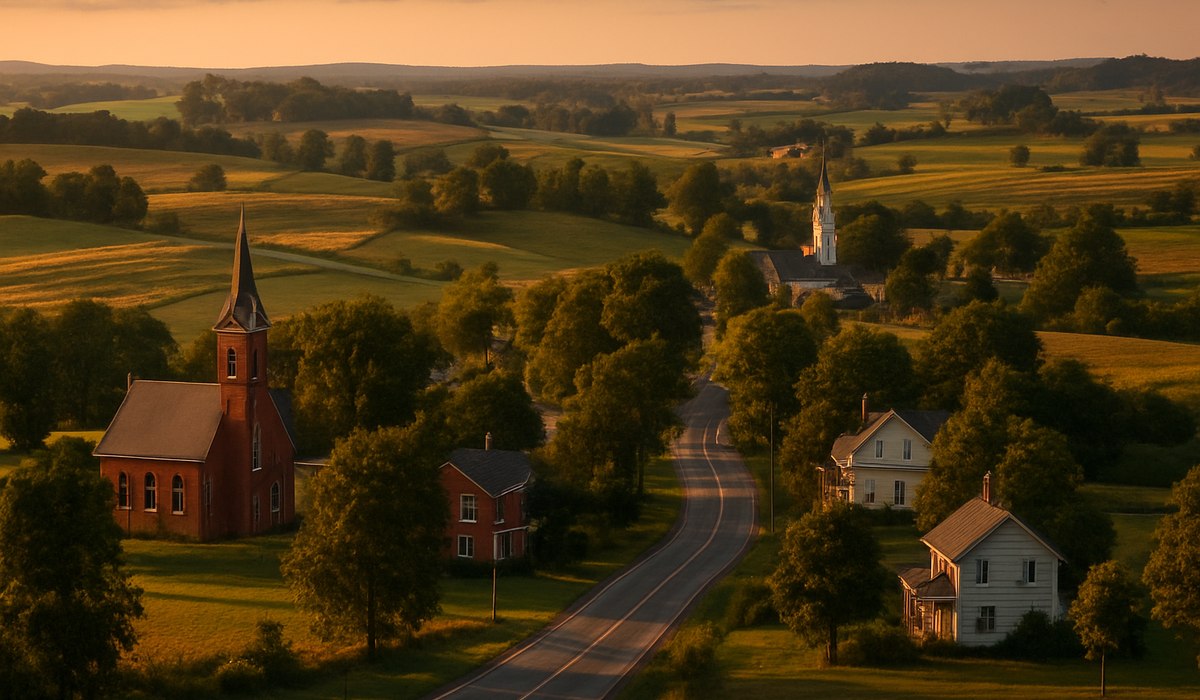
Image generated by AI
Record Growth Reshapes Oxford County's Tourism Trajectory
Oxford County, a rural destination in southwestern Ontario, is experiencing unprecedented visitor momentum heading into 2026. The county logged record visitation and spending throughout 2025, driven by a coordinated five-year strategic tourism plan and targeted efforts to convert highway pass-through traffic into overnight stays. Municipal leaders, tourism operators, and regional development corporations have aligned around positioning Oxford County tourism as a premier rural escape for travelers seeking authenticity, farm experiences, and wellness-focused getaways—all without the congestion of nearby urban centers like Toronto or London.
The 2025 results reflect more than one year of momentum. They represent a fundamental repositioning strategy that capitalizes on the county's geographic advantage straddling Highways 401 and 403, where millions of vehicles transit annually. Tourism researchers have long flagged this corridor as underutilized for extended-stay conversion. Oxford County's recent success demonstrates that intentional marketing, signature experience curation, and municipal collaboration can meaningfully shift traveler behavior in competitive regional markets.
Strategic Five-Year Plan Fuels Oxford County's Tourism Momentum
Oxford County's 2025–2030 tourism strategy was not developed in isolation. County planners, in consultation with municipalities, operators, and economic development bodies, crafted a comprehensive roadmap emphasizing sustainable growth, higher-value experiences, and authentic rural positioning. The plan explicitly targets wellness, culinary tourism, outdoor recreation, and agricultural heritage—categories that align with proven traveler preferences nationwide.
The strategy documents prioritize connectivity between hospitality, farmland stewardship, small business development, and cultural programming. Rather than treating tourism as a standalone sector, planners embedded it within broader rural economic resilience initiatives. This integrated approach has made Oxford County tourism less vulnerable to seasonal fluctuations and more responsive to emerging traveler demand. The Rural Oxford Economic Development Corporation's innovation grant program further accelerated adoption by funding entrepreneurs launching or expanding visitor-ready experiences. By late 2024, dozens of businesses had introduced new tasting rooms, guided farm visits, and seasonal events—offerings that continue rolling out through 2026.
Provincial tourism research from Destination Ontario confirms that this strategy aligns with macro trends. Ontario remained Canada's most visited province in 2024, supported by strong domestic travel recovery and steady international visitor growth. Oxford County's differentiation lies not in competing with Toronto or Niagara Falls for volume, but in capturing travelers actively seeking rural, slower-paced alternatives. Learn more about Destination Ontario's positioning at their official tourism strategy portal.
Capturing Highway Traffic: Converting Pass-Through Visitors into Overnight Stays
The Oxford County tourism bloom hinges on a single geographic reality: Highways 401 and 403 funnel millions of vehicles through the region annually. Historically, most travelers drove past without stopping. Oxford County's revised marketing strategy intentionally targets these "corridor audiences" with digital campaigns, directional signage, and compelling itinerary content designed to encourage exits and overnight stays.
Tourism Oxford, the county's destination marketing organization, expanded digital reach throughout 2025 via partnerships with Destination Ontario and targeted online advertising campaigns. Website traffic surged to multi-year highs, and itinerary downloads increased significantly. Marketing teams concentrated efforts on nearby Ontario markets and select U.S. regions—demographics most likely to convert highway passage into weekend getaways.
The strategy works because timing aligns with traveler psychology. Families and couples planning Friday departures or Sunday returns now encounter branded content promoting themed drives, farm-fresh dining, and countryside wellness experiences. Rather than viewing Oxford County as a distant detour, prospective visitors increasingly see it as a convenient, authentic alternative to established urban tourism hubs. This messaging resonates particularly with post-pandemic travelers who prioritize open-air activities, small-group settings, and direct community engagement over crowded attractions.
Wellness, Culinary and Outdoor Experiences Drive Regional Positioning
Oxford County tourism growth rests fundamentally on three experiential pillars: wellness tourism, farm-to-table culinary offerings, and outdoor recreation infrastructure. Each category has been deliberately developed to appeal to affluent, experience-focused travelers willing to spend on memorable stays.
Wellness offerings emphasize countryside spa experiences, yoga retreats, and health-focused farmstays that leverage the county's natural landscape and agricultural authenticity. These experiences typically command premium nightly rates while generating strong word-of-mouth marketing and social media amplification.
Culinary tourism centers on Oxford County's established reputation for cheese production, dairy heritage, and farm-to-table concepts. New signature experiences launched by Ontario's Southwest tourism organization in July 2025 prominently featured Oxford County producers offering tastings, farm visits, and production-line tours. These curated offerings combine storytelling, hands-on engagement, and local product sampling—exactly the format post-pandemic travelers prioritize.
Outdoor recreation infrastructure—including cycling trails, hiking routes, and agritourism drives—provides natural anchor activities for weekend itineraries. Tourism analysts note that these threaded experiences create "stickiness," encouraging multi-day visits rather than same-day excursions. Visitors building weekends around a cheese trail, brewery route, or cycling loop inherently extend their stay length and per-capita spending.
For detailed information on experiential tourism trends across Ontario, consult research from Tourism Ontario's industry intelligence division.
Municipal Collaboration Sets Foundation for 2026 Expansion
Oxford County tourism momentum would be impossible without deliberate coordination among municipalities, operators, and development agencies. The five-year plan explicitly mandated regional collaboration, breaking down siloed thinking that had previously limited cross-municipal marketing and experience integration.
Consultation efforts tied planning outcomes to economic development strategies, farmland protection initiatives, and cultural programming. This governance alignment ensures that tourism growth does not compromise agricultural heritage—a critical concern in rural communities—and that cultural institutions receive sustained support.
The Rural Oxford Economic Development Corporation plays a central coordinating role, administering grants, facilitating business networking, and aligning tourism initiatives with broader rural development goals. Municipal leaders across the county have increased budget allocations for tourism marketing and infrastructure, signaling long-term commitment beyond cyclical government budgets. This sustained investment differentiates Oxford County from destinations relying on sporadic promotional efforts.
Looking ahead to 2026, municipal councils are already discussing phase-two initiatives, including expanded wayfinding signage along Highways 401/403, enhanced digital platforms, and new signature experiences targeting underserved traveler segments. The collaborative foundation laid during 2025 provides momentum for continued Oxford County tourism growth through the remainder of the five-year plan.
Key Tourism Data: Oxford County 2025 Performance Snapshot
| Metric | 2024 Baseline | 2025 Result | Change |
|---|---|---|---|
| Total County Visitation | Unreported | Record High | +Unquantified |
| Digital Campaign Reach | Lower baseline | Multi-year high | Significant growth |
| Website Traffic | Baseline | Multi-year peak | Strong increase |
| Itinerary Downloads | Previous year | Multi-year high | Notable surge |
| Signature Experiences Added | 5–8 (est.) | 10+ (July 2025) | 25%+ expansion |
| Visitor Spending | Estimated baseline | Robust increase | Positive trajectory |
| Innovation Grant Recipients | ~20 (late 2024) | 25+ (projected 2026) | Accelerating participation |
What This Means for Travelers
Oxford County's tourism surge creates tangible opportunities for travelers seeking rural Ontario escapes. Here's how recent growth translates into visitor benefits:
-
Expanded Experience Options: More agritourism, culinary, and wellness offerings mean greater variety when planning visits. Farm tastings, brewery tours, and spa retreats now compete on quality and differentiation, improving overall traveler choice.
-
Improved Digital Discovery: Enhanced tourism marketing and website infrastructure make planning Oxford County trips easier. Comprehensive itinerary guides
Disclaimer
This article is for informational and educational purposes only. It does not constitute legal, financial, or professional advice. While we strive to provide accurate and up-to-date information, travel policies, regulations, and conditions change rapidly. Always verify information with official sources before making travel decisions. Nomad Lawyer makes no representations about the accuracy, reliability, completeness, or suitability of the information provided. Readers should consult qualified professionals for advice specific to their circumstances. The views expressed in this article are those of the author and do not necessarily reflect the views of Nomad Lawyer.
Kunal K Choudhary
Co-Founder & Contributor
A passionate traveller and tech enthusiast. Kunal contributes to the vision and growth of Nomad Lawyer, bringing fresh perspectives and driving the community forward.
Learn more about our team →