
Portugal's Algarve Water Reserves Reach 74% Capacity as Hydrological Year Begins, Boosting Tourism Outlook Across Faro and Albufeira
Algarve reservoirs reach 74% capacity with 328M cubic meters as the 2026-2027 hydrological year opens, supporting resort growth across Faro and Lagos.

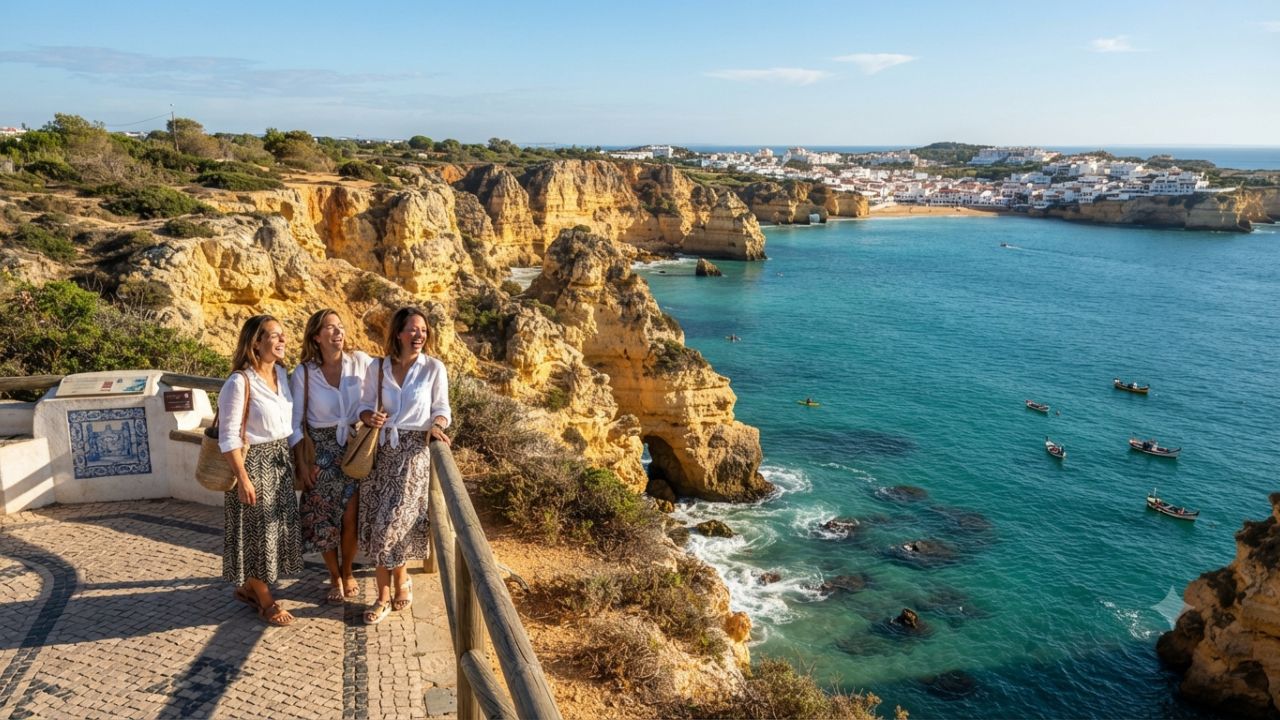
Image generated by AI
Water security indicators across Portugal's southern Algarve region have improved ahead of the new hydrological year, with six main reservoirs reaching 74% combined capacity.
Reservoir Storage Metrics as the 2026–2027 Hydrological Year Begins
FARO — Hydrographic data published on September 28, 2026, confirms that stored water reserves across the Algarve reached approximately 328 million cubic meters across six primary reservoirs. This represents an increase of roughly 13 million cubic meters compared to the same period in 2025.
The reservoir gains provide an expanded operational buffer as Portugal enters its annual hydrological cycle, which runs from October 1 through September 30. Monitored by the Portuguese Environment Agency (APA) and regional tourism stakeholders via Visit Portugal, the improved water reserves support municipal supply networks across major tourism destinations including Faro, Lagos, Albufeira, Portimão, and Tavira.
[ ALGARVE WATER RESERVES & HYDROLOGICAL PIPELINE ]
  │
  ├── 1. STORED CAPACITY   ──► 74% Total Reservoir Capacity (328 Million Cubic Meters)
  ├── 2. YEAR-ON-YEAR GAIN ──► +13 Million Cubic Meters Increase Compared to September 2025
  ├── 3. HYDROLOGICAL CYCLE──► Portugal Water Year Runs October 1 to September 30
  └── 4. RESORT DESTINATIONS──► Faro, Lagos, Albufeira, Portimão, Tavira Municipal Networks
Hydrological Cycle Metrics and Destination Capacity Breakdown
Official environmental reports outline stored water volumes and infrastructure targets supporting municipal and resort demand across southern Portugal:
| Environmental Metric | Stored Volume / Parameter | Impact on Regional Tourism & Agriculture |
|---|---|---|
| Combined Reservoir Capacity | 74% Stored Capacity (328M m³) | Provides enhanced operational buffer for autumn and winter recharge cycles. |
| Year-on-Year Reserve Expansion | +13 Million Cubic Meters | Increases stored volume over September 2025 baselines. |
| Wet Season Replenishment Window | October 1 to April 30 | Primary precipitation period for aquifer and reservoir recharge. |
| Dry Season Consumption Window | May 1 to September 30 | Peak summer tourism period driving high municipal and resort demand. |
| Desalination Project Target | Major Seawater Facility | Diversifies regional supply away from rainfall-dependent reservoir storage. |
| Inter-Basin Pipeline Connection | Pomarão to Odeleite Transfer | Strengthens water transfer infrastructure between regional water systems. |
ALGARVE HYDROLOGICAL CALENDAR (OCT 1 – SEP 30)
| Column 1 |
|---|
| WET PERIOD (Precipitation & Recharge) : October 1 to April 30 |
| DRY PERIOD (Peak Tourism & Irrigation) : May 1 to September 30 |
| KEY URBAN & RESORT DESTINATIONS : Faro, Lagos, Albufeira, Portimão, Tavira |
Infrastructure Priorities: Desalination and Inter-Basin Water Transfers
Despite higher reservoir levels, environmental authorities emphasize that long-term water conservation and structural investments remain mandatory to prevent future drought vulnerability.
[ DIVERSIFIED REGIONAL WATER SUPPLY ARCHITECTURE ]
  Reservoir Storage (328M m³) ──► Municipal Leakage Reduction ──► Desalination Facility ──► Pomarão-Odeleite Pipeline
Key infrastructure projects under development include:
- Seawater Desalination Plant: A planned regional facility designed to produce potable water independent of seasonal rainfall patterns.
- Pomarão-Odeleite Inter-Basin Transfer: A pipeline connection linking the Guadiana River catchment at Pomarão directly to the Odeleite reservoir to equalize regional storage.
- Municipal Distribution Upgrades: Modernizing ageing urban pipe networks to reduce water loss across high-density hotel zones in Albufeira and Portimão.
RESORT MUNICIPAL WATER DEMAND PROFILE
| Column 1 |
|---|
| Municipal Supply Priorities : Households, Commercial Hospitality, Agriculture |
| Network Loss Reduction Goal : Upgrade urban piping & detect commercial leaks |
| Irrigation Modernization : Implement automated precision drip systems |
Impact on Hospitality and Regional Tourism Operations
Reliable water access directly underpins hospitality operations in southern Portugal. Hotels, golf resorts, restaurants, and recreational facilities across Faro, Lagos, Albufeira, Portimão, and Tavira require uninterrupted municipal supply during peak summer months when visitor numbers swell.
The 13-million-cubic-meter increase in stored water reserves ensures that lodging providers can operate without immediate emergency rationing constraints. Concurrently, regional hotel associations are introducing water-efficiency technologies, including low-flow fixtures, graywater recycling for resort gardens, and smart irrigation controllers across golf courses.
Balancing Agricultural Irrigation with Municipal Tourism Needs
Agriculture and tourism represent the two largest economic consumers of water in southern Portugal. The improved 74% reservoir capacity offers relief to agricultural producers across the Algarve who rely on regulated irrigation allocations for citrus orchards and vineyards.
By combining agricultural precision drip irrigation with urban network leak detection, water management authorities aim to preserve stored volumes through the drier summer months of May to September.
FAQ: Algarve Water Security & Portugal Tourism 2026
What is the current reservoir capacity in Portugal's Algarve region?
As of September 28, 2026, the six main reservoirs in the Algarve region reached 74% combined capacity, holding approximately 328 million cubic meters of stored water.
How does this year's water volume compare to 2025?
Stored water reserves increased by approximately 13 million cubic meters compared to the same period in September 2025.
What are the main infrastructure projects planned for Algarve's water security?
Key projects include building a regional seawater desalination plant to supply rainfall-independent drinking water, constructing an inter-basin pipeline connection between Pomarão and the Odeleite reservoir, and upgrading urban water distribution networks to cut leakage.
When does Portugal's hydrological year begin and end?
Portugal's hydrological year runs from October 1 to September 30. The wet season spans October through April, followed by the dry season from May through September.
Related Travel Guides
Disclaimer
This article is for informational and educational purposes only. It does not constitute legal, financial, or professional advice. While we strive to provide accurate and up-to-date information, travel policies, regulations, and conditions change rapidly. Always verify information with official sources before making travel decisions. Nomad Lawyer makes no representations about the accuracy, reliability, completeness, or suitability of the information provided. Readers should consult qualified professionals for advice specific to their circumstances. The views expressed in this article are those of the author and do not necessarily reflect the views of Nomad Lawyer.
Raushan Kumar
Founder & Lead Developer
Full-stack developer with 11+ years of experience and a passionate traveller. Raushan built Nomad Lawyer from the ground up with a vision to create the best travel and law experience on the web.
Learn more about our team →