
Emirates' A380 First Class Gamble: Why Ultra-Luxury Means Fewer Seats and Higher Margins
Breaking airline news and aviation industry updates for 2026.

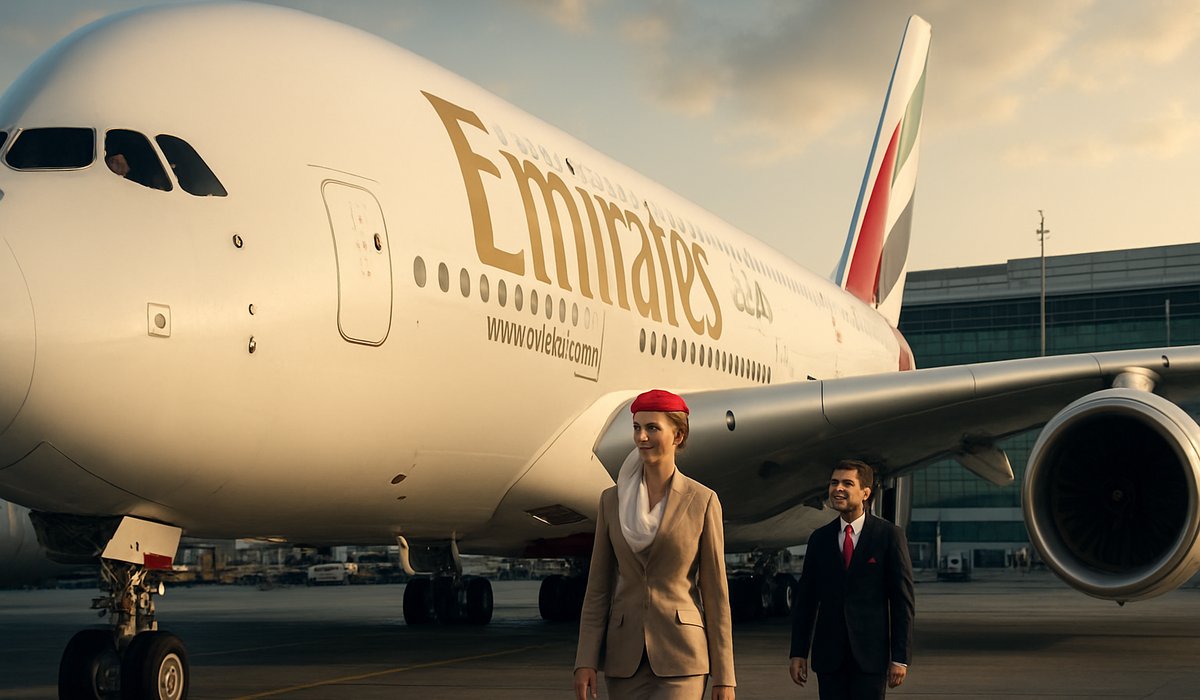
Image generated by AI
Emirates' A380 First Class Gamble: Why Ultra-Luxury Means Fewer Seats and Higher Margins
The airline's deliberate choice to limit first-class capacity to 67 seats across its fleet reveals a high-stakes strategy prioritizing premium revenue over volume
The Exclusive Paradox: Luxury Over Volume
Emirates has made a calculated decision that defies conventional airline capacity planning: its flagship Airbus A380 aircraft dedicate merely 14 enclosed suites to first-class passengers, representing one of commercial aviation's most restrictive cabin configurations. This deliberate constraint stands in sharp contrast to the aircraft's theoretical capacity to carry hundreds of travelers across its double-deck structure, yet the Dubai-based carrier views this scarcity not as a limitation, but as a strategic asset in an increasingly competitive premium travel market.
The decision underscores a fundamental shift in how legacy carriers approach long-haul profitability. Rather than maximizing seat counts across all cabin classes, Emirates has engineered a portfolio where ultra-premium offerings command disproportionate revenue per available seat. With only 67 first-class seats distributed throughout its A380 fleet, the airline creates artificial scarcity that justifies premium pricing structures rivaling luxury hotel experiences.
The Economics of Exclusivity
Industry analysts note that this configuration reflects broader trends in aviation finance, where airline margins have compressed amid volatile jet fuel prices, rising labor costs, and increased competition from low-cost carriers. By restricting first-class availability, Emirates essentially converts each cabin into a boutique revenue generator—passengers willing to pay premium fares for enclosed suites, personalized service, and amenities like onboard showers become the carrier's highest-value customers.
The A380's four-class cabin layout—first class, business class, premium economy, and economy—represents a deliberate segmentation strategy. Rather than expanding first-class capacity to capture additional premium bookings, Emirates prioritizes margin enhancement through exclusivity. Fewer seats mean higher load factors on premium routes and reduced operational complexity in service delivery.
Aviation Industry Implications
This approach carries broader implications for the aviation sector. As traditional fuel surcharges and baggage fees face regulatory scrutiny and passenger backlash, premium cabin pricing emerges as a crucial profit driver. Emirates' A380 design signals that future aircraft configurations may prioritize higher-yield cabin classes over mass-market capacity expansion.
The strategy also reflects changing passenger demographics. High-net-worth travelers increasingly demand exclusive experiences, making first-class scarcity a legitimate competitive advantage. By offering only 14 suites per aircraft, Emirates creates waiting lists and brand prestige that justify first-class fares exceeding $20,000 for long-haul routes.
Looking Ahead
As aviation rebounds from pandemic pressures and airlines navigate uncertain fuel price volatility, Emirates' premium-focused approach offers a template for margin-conscious operators. The carrier's willingness to leave seats unfilled—at least in first class—demonstrates confidence in premium demand and suggests a maturing view of airline profitability beyond simple capacity metrics.
FAQ: Understanding Airline Cabin Design and Premium Pricing
Why do airlines limit first-class seat counts when they could sell more tickets? Fewer premium seats create exclusivity, justify higher fares, and often generate greater total revenue per aircraft despite lower seat counts. Artificial scarcity drives premium demand among high-net-worth passengers.
How do airline fees and premium pricing impact overall travel costs? Premium cabin surcharges now represent 30-40% of many carriers' total revenue, offsetting baggage fees and fuel-related charges. First-class pricing directly correlates with jet fuel prices and operating costs.
What role does jet fuel pricing play in cabin configuration decisions? Volatile fuel costs pressure airlines to maximize revenue per seat. Premium cabin scarcity ensures that available seats command prices sufficient to offset fuel expenditure fluctuations.
Are other airlines adopting Emirates' first-class restriction strategy? Industry leaders including Singapore Airlines, Lufthansa, and British Airways increasingly emphasize premium cabin exclusivity, though configurations vary by aircraft type and route strategy.
How do baggage charges and ancillary fees compare to first-class revenue? First-class revenue typically exceeds ancillary baggage and seat selection fees by 5-10 times per passenger, making premium cabin design increasingly central to airline profitability strategies.
Related Travel Guides
Flight Delay Compensation Guide 2026
Understanding Airline Route Changes
Airport Security Process Updated (2026)
External Resources
Disclaimer
This article is for informational and educational purposes only. It does not constitute legal, financial, or professional advice. While we strive to provide accurate and up-to-date information, travel policies, regulations, and conditions change rapidly. Always verify information with official sources before making travel decisions. Nomad Lawyer makes no representations about the accuracy, reliability, completeness, or suitability of the information provided. Readers should consult qualified professionals for advice specific to their circumstances. The views expressed in this article are those of the author and do not necessarily reflect the views of Nomad Lawyer.
Raushan Kumar
Founder & Lead Developer
Full-stack developer with 11+ years of experience and a passionate traveller. Raushan built Nomad Lawyer from the ground up with a vision to create the best travel and law experience on the web.
Learn more about our team →