
Delta Ground Worker Dies in Tragic Tug Vehicle Collision at Orlando Airport
Breaking airline news and aviation industry updates for 2026.

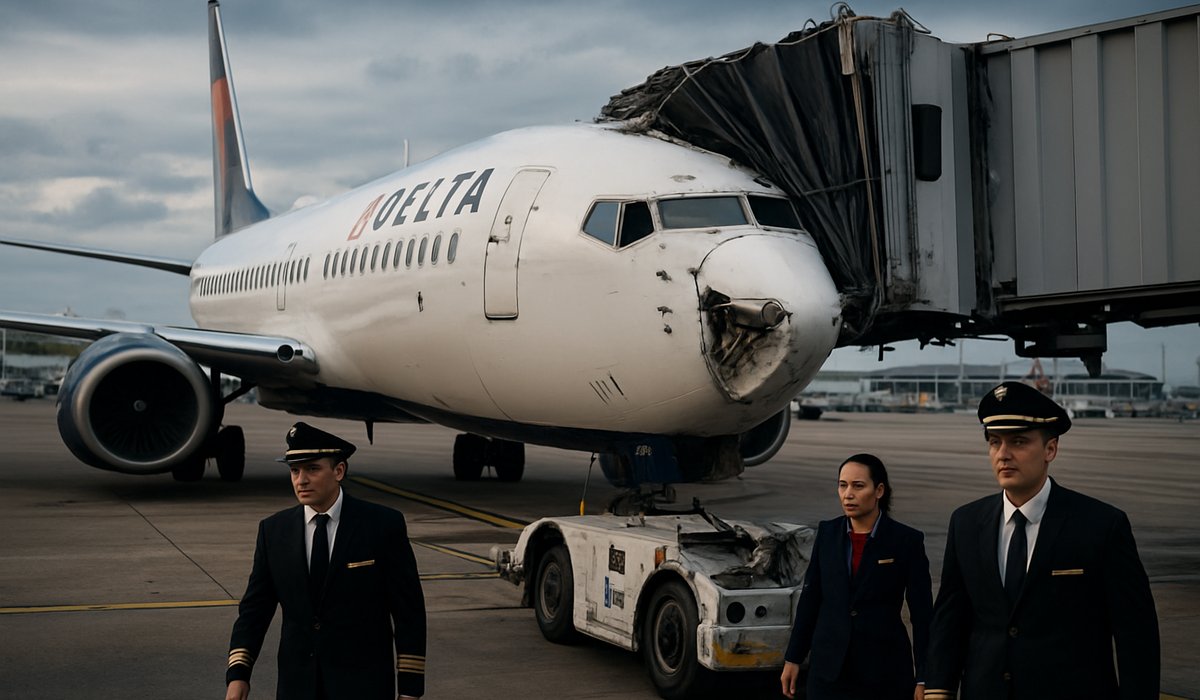
Image generated by AI
Delta Ground Worker Dies in Tragic Tug Vehicle Collision at Orlando Airport
A fatal ramp accident raises fresh concerns about ground safety protocols across major U.S. aviation hubs
Incident Claims Life at Major Florida Airport
A Delta Air Lines ground crew member has been killed following a devastating collision between an airport tug vehicle and a jet bridge at Orlando International Airport (MCO), marking a sobering reminder of workplace hazards within the aviation sector. The accident unfolded shortly before 11:00 PM on Thursday, May 7, when the tug—a motorized vehicle used to maneuver aircraft on airport tarmacs—struck the jet bridge while a Delta Airbus A321 remained stationary at the gate.
Investigation Underway Into Ramp Safety Incident
Federal aviation authorities and airport officials have launched formal investigations into the circumstances surrounding the collision. The incident occurred during routine ground operations, a critical period when airport ramps experience heightened activity involving multiple moving vehicles, aircraft, and personnel. The fatality represents one of the more serious incidents in recent memory at MCO, a major hub serving the southeastern United States and one of the busiest airports in the nation.
Rising Concerns Over Ground Operations Safety
This tragedy highlights persistent safety challenges within airport ramp operations, where coordination between multiple ground support vehicles and jet bridges requires precise communication and adherence to established protocols. The aviation industry has increasingly emphasized ramp safety training and technological solutions to prevent such incidents, yet accidents continue to occur at major commercial airports across the United States.
Delta Air Lines, one of America's largest carriers, has expressed its deepest condolences to the family and colleagues of the deceased worker. The airline has committed to cooperating fully with investigators while reviewing its own ground safety procedures. Ground crew members face among the most hazardous working conditions in the transportation sector, operating in high-pressure environments where precision and communication are paramount.
Industry-Wide Safety Focus
The incident is likely to intensify scrutiny of ground support vehicle operations at major airports. Industry stakeholders have been advocating for enhanced automation, improved visibility systems on tug vehicles, and stricter operational protocols to minimize collision risks. Many forward-thinking airports have implemented advanced ground detection systems and real-time monitoring technology to track vehicle movements on active ramps.
Orlando International Airport, which handles millions of passengers annually, maintains comprehensive safety programs through its ground service providers. However, the fatal collision underscores the ongoing challenges of maintaining zero-incident operations across complex airport environments.
As investigations continue, aviation safety advocates are expected to call for renewed emphasis on ramp safety training, vehicle technology upgrades, and operational oversight to prevent similar tragedies.
FAQ: Aviation Ramp Safety and Ground Operations
What causes most airport tug vehicle accidents? Collisions typically result from communication breakdowns, visibility limitations, operator fatigue, and inadequate spatial awareness in congested ramp areas where multiple vehicles operate simultaneously.
Are airport ramp accidents common in the U.S. aviation industry? While serious incidents occur regularly at major airports, fatal accidents remain relatively uncommon, though the industry continuously works to improve safety through training and technology enhancements.
What safety technologies are being implemented to prevent tug collisions? Modern solutions include GPS tracking systems, proximity detection sensors, automated collision avoidance systems, and enhanced camera systems providing 360-degree visibility on ground support vehicles.
How does OSHA oversee airport ground worker safety? OSHA enforces workplace safety standards, though airport ramp operations involve complex jurisdictional oversight involving FAA regulations, airport authorities, and ground service companies.
What changes might result from this incident? Airlines and airports may implement stricter vehicle operation protocols, enhanced training requirements, technology upgrades, and operational procedure reviews across their ground support divisions.
Related Travel Guides
Flight Delay Compensation Guide 2026
Understanding Airline Route Changes
Airport Security Process Updated (2026)
External Resources
Disclaimer
This article is for informational and educational purposes only. It does not constitute legal, financial, or professional advice. While we strive to provide accurate and up-to-date information, travel policies, regulations, and conditions change rapidly. Always verify information with official sources before making travel decisions. Nomad Lawyer makes no representations about the accuracy, reliability, completeness, or suitability of the information provided. Readers should consult qualified professionals for advice specific to their circumstances. The views expressed in this article are those of the author and do not necessarily reflect the views of Nomad Lawyer.
Preeti Gunjan
Contributor & Community Manager
A passionate traveller and community builder. Preeti helps grow the Nomad Lawyer community, fostering engagement and bringing the reader experience to life.
Learn more about our team →