
Air Canada Deploys Ultra-Long-Range A321XLR on Surprisingly Short 54-Minute Domestic Flight
Breaking airline news and aviation industry updates for 2026.

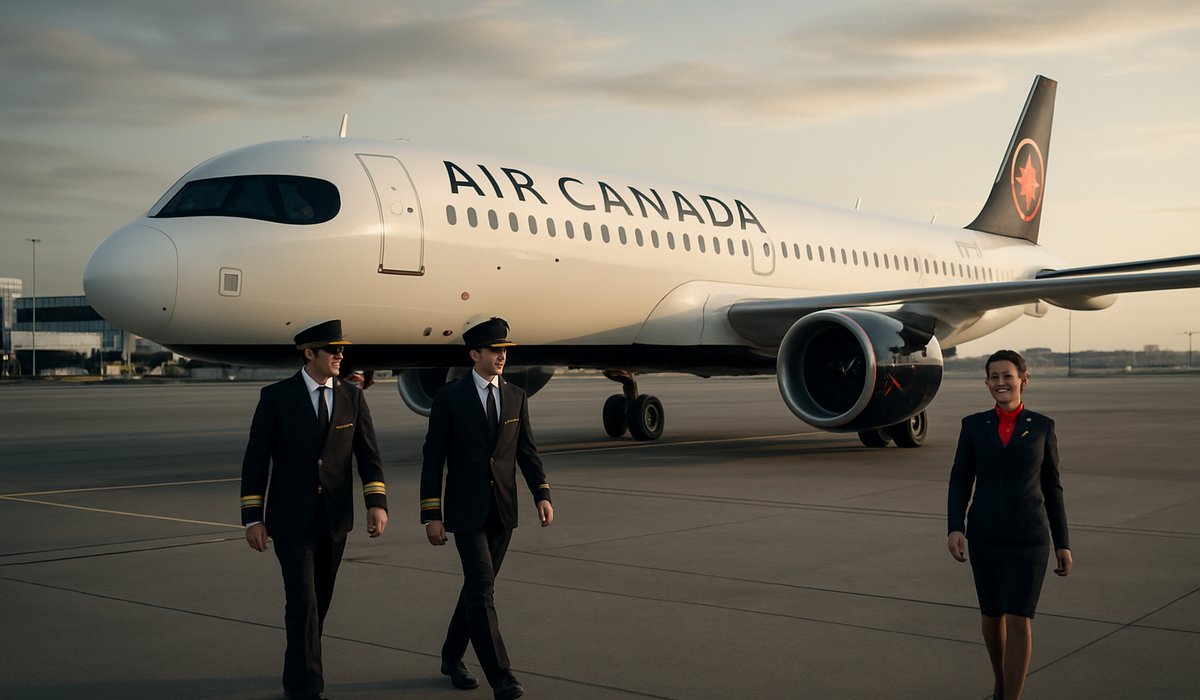
Image generated by AI
Air Canada Deploys Ultra-Long-Range A321XLR on Surprisingly Short 54-Minute Domestic Flight
Strategic scheduling move highlights aircraft flexibility as carrier optimizes holiday capacity
Air Canada has unveiled an unconventional operational strategy, deploying its newest Airbus A321XLR narrowbody aircraft on a domestic route with a flight time of just 54 minutes—a striking underutilization of the aircraft's extended-range capabilities during the peak holiday travel season.
Seasonal Scheduling Decision
According to recent schedule filings, Canada's flag carrier and founding Star Alliance member has incorporated the fuel-efficient A321XLR into its domestic network during the critical Christmas and New Year period. The move represents a departure from the aircraft's primary design purpose: connecting distant markets across oceanic routes that would typically demand 8-10 hours of flying time.
The decision underscores how major carriers are deploying premium assets to manage demand volatility during peak travel windows, even when aircraft utilization appears suboptimal on paper.
Understanding the A321XLR Advantage
The Airbus A321XLR represents a significant advancement in narrowbody aviation technology, engineered specifically for extended-range operations. With a maximum range exceeding 4,700 nautical miles, the aircraft can operate transatlantic routes while maintaining single-aisle economics—a capability that has fundamentally shifted how airlines approach long-haul capacity planning and route profitability.
However, the aircraft's deployment on brief regional hops during seasonally constrained periods reveals the operational flexibility airlines must maintain when managing interconnected networks and holiday surge demand.
Broader Industry Context
Air Canada's scheduling approach reflects wider trends in aviation capacity management. As jet fuel prices remain volatile and airline margins compress, carriers increasingly maximize aircraft utilization across varied route lengths rather than restricting premium assets to long-haul services exclusively.
The Canadian carrier's operational decisions also highlight competitive pressures within North America's aviation landscape, where carriers must balance fleet efficiency metrics against passenger demand patterns and network connectivity requirements.
Strategic Fleet Deployment
Air Canada's expanding A321XLR fleet represents a cornerstone investment in long-haul capacity. The seasonal deployment of these aircraft on shorter routes demonstrates how modern carriers leverage schedule flexibility to optimize network performance during demand peaks, when aircraft availability frequently becomes the binding constraint rather than route economics.
The airline's approach suggests that as holiday travel demand intensifies, maximizing seat capacity—even across unconventional route pairings—takes precedence over traditional utilization calculations.
FAQ: Air Canada A321XLR and Airline Scheduling Strategy
Q: Why would Air Canada use a long-range A321XLR on a short 54-minute flight? A: Airlines prioritize seat capacity during peak holiday periods. Using available aircraft on high-demand routes—regardless of distance—maximizes revenue when passenger demand exceeds scheduled capacity.
Q: How does A321XLR deployment affect airline ticket prices and baggage fees? A: Increased capacity typically moderates fare increases during peak seasons. However, baggage charges and ancillary fees remain independent of aircraft type in most airline pricing models.
Q: What is the A321XLR's typical range and intended use? A: The A321XLR operates transatlantic routes up to 4,700+ nautical miles, replacing larger wide-body aircraft on long-haul flights while maintaining single-aisle operational economics.
Q: How does jet fuel pricing influence airline fleet deployment decisions? A: Rising jet fuel prices increase pressure to maximize seat capacity utilization. Airlines deploy available aircraft flexibly to optimize per-seat fuel costs across their networks.
Q: Is this scheduling approach common among major carriers? A: Yes. As aviation industry competition intensifies, carriers regularly deploy premium aircraft on varied routes to balance network demands, particularly during seasonal peaks when capacity constraints become critical.
Related Travel Guides
External Resources
Disclaimer
This article is for informational and educational purposes only. It does not constitute legal, financial, or professional advice. While we strive to provide accurate and up-to-date information, travel policies, regulations, and conditions change rapidly. Always verify information with official sources before making travel decisions. Nomad Lawyer makes no representations about the accuracy, reliability, completeness, or suitability of the information provided. Readers should consult qualified professionals for advice specific to their circumstances. The views expressed in this article are those of the author and do not necessarily reflect the views of Nomad Lawyer.
Raushan Kumar
Founder & Lead Developer
Full-stack developer with 11+ years of experience and a passionate traveller. Raushan built Nomad Lawyer from the ground up with a vision to create the best travel and law experience on the web.
Learn more about our team →