
United Airlines Bets Big on Ultra-Luxury Travel With Reconfigured Boeing 787 Dreamliner Fleet
Breaking airline news and aviation industry updates for 2026.

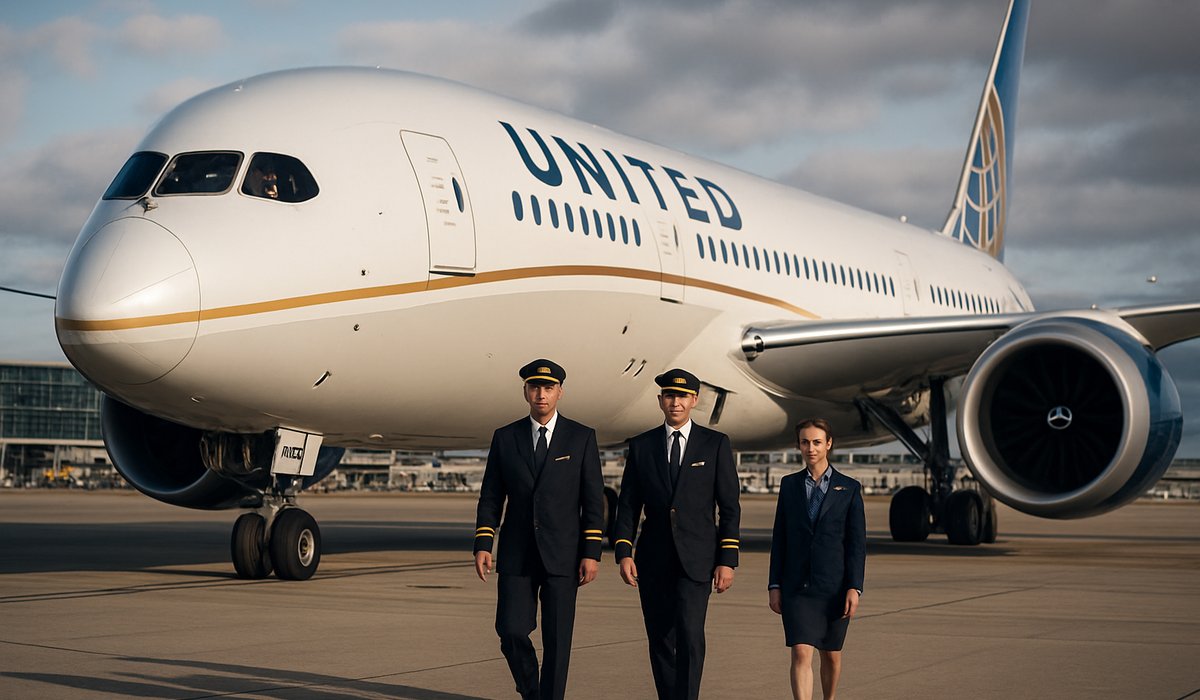
Image generated by AI
United Airlines Bets Big on Ultra-Luxury Travel With Reconfigured Boeing 787 Dreamliner Fleet
Carrier deploys premium-heavy aircraft on select long-haul routes as travelers shift spending toward high-end experiences
A Radical Departure From Industry Density Models
United Airlines is making a calculated gamble on premium passenger demand by introducing a dramatically reconfigured Boeing 787-9 Dreamliner featuring just 222 seats—a striking departure from the aircraft's standard capacity of 257 passengers. The carrier's new "Elevated" configuration prioritizes luxury over volume, allocating 64 Polaris suites and 35 Premium Plus seats alongside only 123 economy slots, signaling a fundamental strategic pivot toward high-yield, business-class-focused operations.
The decision reflects broader market dynamics reshaping the aviation industry, where legacy carriers are increasingly targeting affluent travelers willing to pay premium fares rather than maximizing per-flight seat counts.
Configuration Details and Route Strategy
The premium-skewed layout represents one of the most aggressive cabin reconfigurations undertaken by any major U.S. airline on long-haul international aircraft in recent memory. With nearly 45% of seats designated for premium cabin passengers, United is effectively reducing overall passenger volume by 14% compared to its conventional 787-9 deployment—a trade-off that analysts suggest reflects confidence in sustained demand from corporate and leisure travelers seeking elevated onboard experiences.
The 64 Polaris suites offer fully flat-bed configurations with direct-aisle access, while the 35 Premium Plus seats provide enhanced comfort and service amenities positioned between business and economy classes. The restricted economy section of 123 seats signals United's reduced focus on economy-segment profitability on these specific aircraft assignments.
Market Context and Competitive Positioning
This initiative emerges amid intense competition within the premium long-haul segment, where carriers including American Airlines, Delta Air Lines, and international competitors have invested substantially in first and business-class product enhancements. Rising jet fuel prices and sustained inflationary pressures on operational costs have made premium revenue streams increasingly attractive, as high-yielding passengers demonstrate greater price elasticity than economy customers.
United's strategy directly contradicts the industry's traditional density-maximization approach, where carriers typically cram as many seats as possible into aircraft cabins to optimize unit economics. The reversal suggests the airline has identified sufficient demand concentration among premium travelers to justify the revenue-per-available-seat-mile trade-off.
Implications for Industry Standards
The deployment underscores a widening bifurcation in aviation strategy: some carriers continue pursuing cost-leadership models through high-capacity, low-frills operations, while premium-focused competitors increasingly view cabin configuration as a differentiator in attracting lucrative business travel and affluent leisure segments. For United, the decision represents confidence that premium pricing power will offset lower overall passenger counts on designated routes throughout 2026 and beyond.
Frequently Asked Questions
What is United Airlines' new Boeing 787 configuration? United's "Elevated" 787-9 features 222 seats total: 64 Polaris suites, 35 Premium Plus seats, and 123 economy seats—a 14% reduction from the standard 257-seat layout, prioritizing premium cabins over passenger volume.
Which routes will operate this premium-focused aircraft? United has designated specific long-haul international routes for the reconfigured 787-9s, though the carrier has not publicly disclosed complete route assignments for 2026 operations.
How does this impact airline baggage fees and ancillary revenue? Fewer economy seats may reduce traditional baggage revenue on these flights, but premium passengers typically generate higher ancillary spending through lounge access, seat upgrades, and enhanced services.
Why are airlines shifting toward premium-heavy configurations? Elevated jet fuel prices, labor cost inflation, and sustained demand from high-yield business travelers make premium-focused models more profitable than volume-based operations on select routes.
How does this compare to competitor strategies? While Delta and American have enhanced premium products, United's 45% premium-seat ratio is among the industry's most aggressive, reflecting a distinct positioning within the competitive landscape.
Related Travel Guides
Flight Delay Compensation Guide 2026
Understanding Airline Route Changes
Airport Security Process Updated (2026)
External Resources
Disclaimer
This article is for informational and educational purposes only. It does not constitute legal, financial, or professional advice. While we strive to provide accurate and up-to-date information, travel policies, regulations, and conditions change rapidly. Always verify information with official sources before making travel decisions. Nomad Lawyer makes no representations about the accuracy, reliability, completeness, or suitability of the information provided. Readers should consult qualified professionals for advice specific to their circumstances. The views expressed in this article are those of the author and do not necessarily reflect the views of Nomad Lawyer.
Preeti Gunjan
Contributor & Community Manager
A passionate traveller and community builder. Preeti helps grow the Nomad Lawyer community, fostering engagement and bringing the reader experience to life.
Learn more about our team →