
Oman Flight Cancellations: Gulf Air and Air Arabia Disrupt Gulf Routes
Fresh wave of Oman flight cancellations hits Gulf Air and Air Arabia in 2026, disrupting key services between Muscat, Salalah, Bahrain, and Sharjah. Travelers face last-minute cancellations and major delays amid regional airspace tensions.

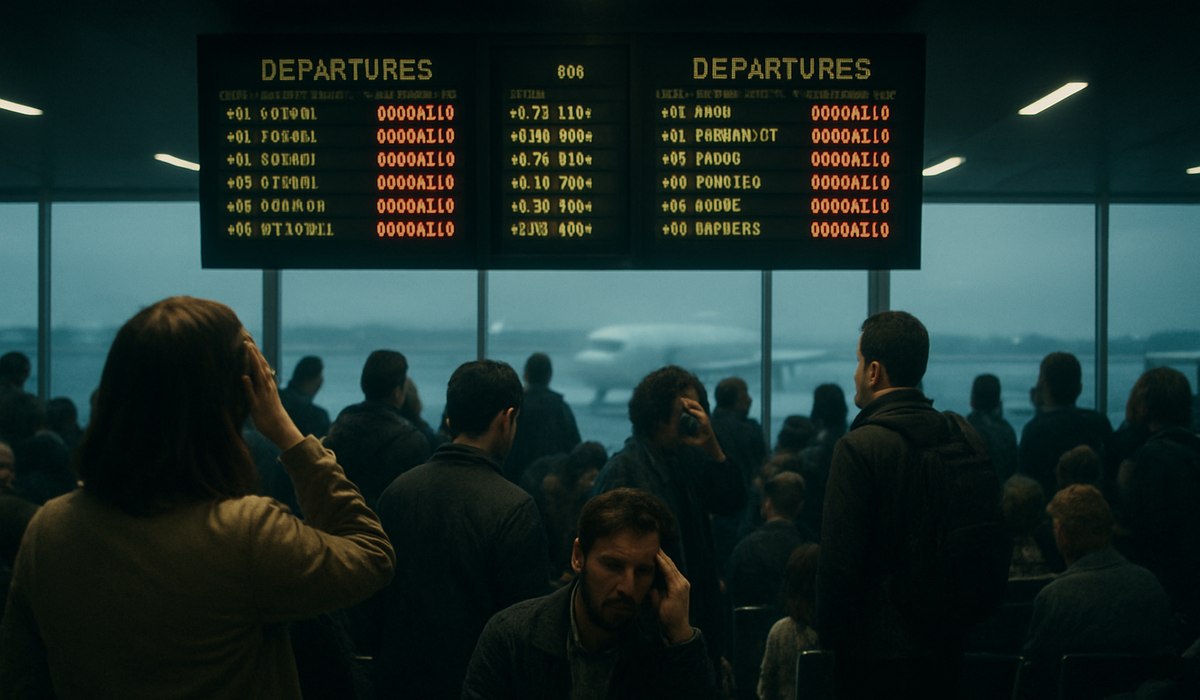
Image generated by AI
Breaking Travel Alert: New Wave of Oman Flight Cancellations Disrupts Gulf Air and Air Arabia Services
Gulf Air and Air Arabia have begun canceling key services from Oman, with passengers traveling between Muscat and Salalah facing fresh disruption on routes to Bahrain and Sharjah. The latest round of Oman flight cancellations marks an intensification of schedule volatility affecting the region's critical short-haul corridors since late February 2026. Travelers on these normally reliable routes are now encountering last-minute cancellation notices, forcing expensive rebooking and unplanned hotel stays across the Gulf.
Gulf Air and Air Arabia Services Affected by Regional Disruption
Recent schedule data confirms that multiple Gulf Air and Air Arabia flights linking Oman to neighboring emirates are being systematically removed from operations. Gulf Air flights GFA567 and GFA565—core services connecting Muscat to Bahrain—have appeared repeatedly on cancellation lists in recent days. Simultaneously, Air Arabia service ABY393, which operates the Oman-to-Sharjah route, has been scrubbed from several day-of-operation schedules.
The impact extends beyond single-city travelers. Passengers relying on Muscat and Salalah airports as quieter alternatives to crowded Dubai and Abu Dhabi hubs now face the same uncertainty spreading across Gulf aviation. Both Muscat International Airport and Salalah Airport remain officially open, yet the erratic day-to-day operations have forced airlines to issue repeated advisories to corporate travel departments and logistics operators. When flights like GFA567 or ABY393 are canceled, passengers often receive notification only hours before scheduled departure, leaving little time to arrange alternatives.
Regional Airspace Tensions Drive Schedule Chaos
The current spike in Oman flight cancellations stems directly from broader regional airspace restrictions triggered by security incidents and geopolitical tensions across the Gulf. Since late February 2026, carriers operating through this corridor have had to navigate overlapping airspace closures, security assessments, and route suspensions that make even short-haul services unpredictable. While Oman's own airspace technically remains open, airlines like Gulf Air and Air Arabia depend heavily on Bahrain and UAE transit corridors—both of which remain subject to intermittent restrictions.
This creates a cascading effect: even when departing from Muscat or Salalah, flights must clear multiple neighboring jurisdictions before reaching their destination. Regional business and aviation analysis indicates that Gulf Air has been forced to cut the majority of planned services on certain days, while Air Arabia similarly faces high cancellation rates across its network. The airline sector is experiencing one of the most volatile periods for Gulf operations in recent years, with schedule reliability declining week-over-week.
Impact on Connecting Travelers and Hub Networks
For passengers dependent on onward connections, Oman flight cancellations create particularly acute problems. Travelers who planned to use Muscat as a stopover hub before continuing to Europe, Asia, or Africa now risk missing their primary flight entirely. Reports from travel forums indicate that stranded passengers have been arranging their own hotel accommodations and rebooking flights independently, since airline rebooking options remain limited and unpredictable.
Corporate travel departments have begun issuing guidance to employees to avoid routing through Muscat and Salalah where possible, redirecting traffic to Dubai and Abu Dhabi despite longer journeys. This shift has further reduced available seat inventory on Oman services, making rebooking increasingly difficult. Logistics and shipping operators who rely on Oman airports for time-sensitive cargo have similarly been forced to seek alternative routing, compounding operational delays across the supply chain.
What Passengers Should Expect: Monitoring and Real-Time Updates
Travelers with confirmed bookings on Gulf Air or Air Arabia flights from Oman should prepare for potential disruption. Last-minute cancellation notices remain the norm, often arriving just hours before scheduled departure. The most reliable source for real-time flight status is FlightAware, which aggregates live radar and airline operational data across the Middle East. Passengers should enable flight alerts and check their email regularly, rather than relying on airport notifications alone.
If your flight is canceled, you are entitled to rebooking on the next available service or a full refund under most carrier policies. However, rebooking options are currently limited, so contact your airline directly through their official phone lines rather than relying solely on online portals. Many passengers report faster resolution by calling Gulf Air's Muscat reservations line or Air Arabia's customer service center directly.
The U.S. Department of Transportation provides detailed guidance on passenger rights for flight disruptions, which applies if you hold tickets issued in U.S. currency. Review current airline policies at US DOT before your flight, as terms may be adjusted given the regional situation.
Traveler Action Checklist: Protecting Your Oman Travel Plans
-
Enable real-time flight alerts on FlightAware and your airline's mobile app to receive cancellation notices immediately.
-
Check your airline's website directly each morning before traveling to the airport, even if your flight showed as confirmed the previous day.
-
Book refundable tickets or travel insurance if rerouting through Muscat between now and the end of April 2026 to protect against rebooking costs.
-
Contact your airline's phone line, not the mobile app, within 30 minutes of a cancellation to secure alternative flights before automated rebooking fills available seats.
-
Document all expenses incurred due to cancellations, including hotel stays and meals, to submit claims under airline compensation policies or travel insurance.
-
Consider rerouting via Dubai or Abu Dhabi for onward international connections rather than using Muscat as a hub, given the current volatility.
-
Review the FAA's travel guidance at FAA.gov for any new advisories specific to Omani airspace or neighboring regions.
-
Contact your hotel and ground transportation providers immediately if your arrival time changes, to avoid booking conflicts or cancellation fees.
Key Flight Disruption Data: Oman Routes Under Pressure
| Route | Affected Airlines | Flight Numbers | Status | Typical Frequency |
|---|---|---|---|---|
| Muscat to Bahrain | Gulf Air | GFA567, GFA565 | Multiple cancellations | Daily (2x) |
| Salalah to Sharjah | Air Arabia | ABY393 | Canceled/delayed | Daily |
| Muscat to Sharjah | Air Arabia | Various | Intermittent cancellations | 5-6x weekly |
| Muscat Connections | Gulf Air | Network-wide | Rolling adjustments | Varies |
| Salalah Regional | Multiple carriers | Multiple | Erratic operations | 3-4x weekly |
| Oman Inbound Traffic | All carriers | Scheduled arrivals | Subject to delay | Varies |
What This Means for Travelers: Navigating Oman Flight Cancellations
The current wave of Oman flight cancellations represents a structural shift in Gulf aviation reliability, not a temporary glitch. Passengers should expect that flights operating through Muscat and Salalah will remain unpredictable through at least late April 2026, with possible extensions depending on regional developments. Airlines are prioritizing larger hub operations in Bahrain and the UAE, meaning that services from Oman are receiving lower scheduling priority.
For business travelers, consider building in a 24-48
Disclaimer
This article is for informational and educational purposes only. It does not constitute legal, financial, or professional advice. While we strive to provide accurate and up-to-date information, travel policies, regulations, and conditions change rapidly. Always verify information with official sources before making travel decisions. Nomad Lawyer makes no representations about the accuracy, reliability, completeness, or suitability of the information provided. Readers should consult qualified professionals for advice specific to their circumstances. The views expressed in this article are those of the author and do not necessarily reflect the views of Nomad Lawyer.
Preeti Gunjan
Contributor & Community Manager
A passionate traveller and community builder. Preeti helps grow the Nomad Lawyer community, fostering engagement and bringing the reader experience to life.
Learn more about our team →