
Ōmārama New Zealand tourism surges as dark sky destination
Ōmārama emerges as New Zealand's premier dark sky tourism hub in 2026. This alpine gem balances rapid visitor growth with sustainable travel practices while offering gliding, stargazing, and natural wonders.

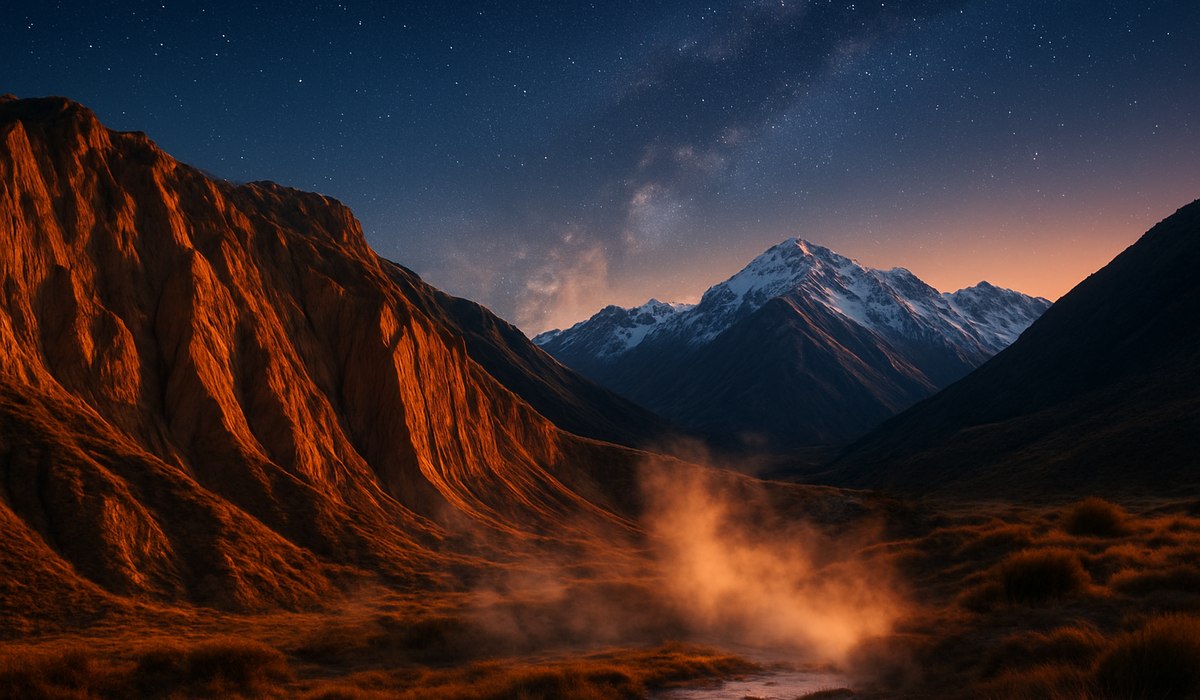
Image generated by AI
Hidden Alpine Gem Steps Into the Spotlight
Ōmārama, a formerly under-the-radar alpine settlement on New Zealand's South Island, is rapidly transforming into a premier destination for experiential and sustainable travel. Once known primarily to gliding enthusiasts and astronomy buffs, this small Mackenzie Basin town—whose name translates to "place of light"—now attracts thousands of international visitors annually. The surge reflects broader trends toward slow travel and dark sky tourism, yet poses unique challenges for a community committed to preserving its authentic character and environmental integrity.
The transformation accelerated dramatically throughout 2025 and into 2026, driven by social media visibility, adventure tourism growth, and recognition as a designated dark sky sanctuary. Local tourism operators report booking inquiries from Europe, North America, and Asia have tripled compared to pre-pandemic levels, signaling that Ōmārama New Zealand tourism has entered a critical growth phase.
Why Ōmārama Is Becoming New Zealand's Next Must-Visit Destination
Ōmārama's appeal rests on several exceptional natural and recreational assets compressed within a compact geography. The Clay Cliffs, a 27-meter-high badlands formation east of town, provide dramatic photography and hiking opportunities unavailable elsewhere in the region. Meanwhile, the township's position at 750 meters elevation, combined with minimal light pollution from nearby urban centers, makes it an ideal dark sky tourism base for stargazing and astrophotography.
The Omarama Airfield remains the Southern Hemisphere's premier soaring destination, attracting glider pilots from worldwide competition circuits. Thermals from the surrounding mountain ranges create ideal lift conditions during peak seasons. Beyond adventure sports, the region offers geothermal hot pools—including the popular Omarama Hot Pools complex—that provide wellness-focused travelers with relaxation amenities typically associated with larger New Zealand resort towns.
Infrastructure improvements, including expanded accommodation options and restaurant venues, have enhanced visitor capacity without overwhelming local services. The town's commitment to slow travel principles means experiences prioritize quality over volume, distinguishing Ōmārama from mass-tourism destinations throughout the country.
Dark Sky Stargazing and Gliding Adventures
The Mackenzie Basin's exceptional atmospheric clarity enables some of New Zealand's most pristine night skies. Ōmārama's International Dark Sky Sanctuary designation formally recognizes conditions that produce incredibly dark skies—often exceeding 7.0 on the Bortle scale in optimal conditions. This makes the location ideal for naked-eye observation of the Milky Way, southern constellations, and occasional meteor showers.
Several tourism operators now offer guided stargazing experiences combining astronomical education with hot pool access, creating packages that appeal to families and serious astronomy enthusiasts alike. The summer months (December through February) provide extended twilight hours enabling evening gliding flights followed by nighttime astronomical observation.
Gliding remains the flagship recreational activity. The Omarama Airfield hosts national championships and international competitions, while scenic flights accommodate tourists seeking aerial perspectives of the Mackenzie Basin. Beginner-friendly introductory flights typically operate under stable wind conditions, making the experience accessible to non-experienced aviators.
Balancing Tourism Growth with Sustainable Travel
Local stakeholders acknowledge that rapid tourism expansion creates tension between economic opportunity and environmental preservation. Community consultations in 2025 established sustainability frameworks addressing water usage, waste management, and visitor dispersal strategies. The Ōmārama Area Tourism Trust now coordinates closely with regional councils to monitor cumulative impacts.
Accommodation providers increasingly adopt sustainable practices—water conservation systems, renewable energy installation, and waste reduction initiatives. Several lodges have achieved Green Globe certification, demonstrating commitment to internationally recognized sustainability standards. Tourism operators emphasize visitor education, encouraging responsible behavior regarding fragile alpine ecosystems and dark sky preservation.
The challenge remains balancing visitor capacity with community wellbeing. Infrastructure investment in parking, waste facilities, and walking trail maintenance has intensified as guest numbers expand. Local perspectives vary: some residents welcome economic diversification, while others advocate for stricter visitor caps protecting the town's peaceful character.
Best Time to Visit
Peak gliding season runs from October through April, coinciding with thermal activity from springtime heating. However, Ōmārama New Zealand tourism activities distribute across all seasons. Summer months (December-February) offer warmest temperatures, extended daylight, and stable flying conditions, though accommodation books quickly.
Autumn (March-May) presents ideal compromises—cooler temperatures, smaller crowds, and brilliant clear nights for stargazing. Winter (June-August) brings intense cold and occasional snow, limiting some activities while producing exceptional dark sky conditions and sparse visitor populations. Spring (September-November) showcases wildflower blooms and increasing thermal activity for gliding.
Most tourism operators recommend visiting during shoulder seasons to maximize experience quality while minimizing environmental impact. Early booking remains essential regardless of season, particularly for gliding flights and hot pool reservations.
How to Get There
Ōmārama sits approximately 370 kilometers southwest of Christchurch, accessible via State Highway 8 through the Mackenzie Basin. The drive typically requires five to six hours from the city center, passing through Mount Cook National Park approaches and Tekapo before reaching Ōmārama.
Rental vehicles from Christchurch provide greatest flexibility, allowing self-directed exploration of Clay Cliffs, regional walking trails, and scenic viewpoints. Alternatively, shuttle services and guided tour operators from Christchurch include Ōmārama stops within broader South Island itineraries.
No commercial air service operates directly to Ōmārama, though private charter flights can be arranged through adventure operators. Most international travelers fly into Christchurch International Airport, positioning Ōmārama as an extended stay destination rather than quick stopover point.
Planning Your Visit to the Place of Light
Successful Ōmārama experiences require advance planning given accommodation constraints during peak seasons. Verify that your chosen gliding operator maintains cancellation insurance for weather-dependent activities. Book stargazing experiences through established tourism operators affiliated with dark sky organizations.
Budget approximately NZD 150–250 for introductory gliding flights and NZD 30–50 for guided astronomical tours. Hot pool access costs around NZD 15–25 per visitor. Accommodation ranges from budget backpacker options (NZD 40–60 nightly) to premium lodges (NZD 200+ nightly).
Pack layered clothing appropriate for alpine weather, including insulated jackets and rain protection regardless of season. Binoculars enhance stargazing experiences, though telescope rentals are available through tourism providers. For Clay Cliffs hiking, bring adequate water, sun protection, and sturdy footwear suitable for uneven terrain.
| Category | Details |
|---|---|
| Location | South Island, Mackenzie Basin, 370 km from Christchurch |
| Elevation | 750 meters above sea level |
| Population | Approximately 300 permanent residents |
| Annual Visitors | Estimated 15,000+ (2025-2026) |
| Dark Sky Status | International Dark Sky Sanctuary designation |
| Peak Season | December-February (summer); October-April (gliding) |
| Average Temperature Range | 5-15°C year-round |
| Accommodation Types | Lodges, motels, holiday homes, backpacker facilities |
| Main Activities | Gliding, dark sky stargazing, Clay Cliffs hiking, hot pools |
| Getting There | SH8 from Christchurch (5-6 hour drive) |
What This Means for Travelers
The emergence of Ōmārama New Zealand tourism as a primary destination
Preeti Gunjan
Contributor & Community Manager
A passionate traveller and community builder. Preeti helps grow the Nomad Lawyer community, fostering engagement and bringing the reader experience to life.
Learn more about our team →