
UK's Wartime Omaha Locomotive Returns to North Yorkshire Moors Railway After Historic Oil Conversion in 2026
USATC No. 2253 Omaha, a rare 1943 Baldwin-built wartime steam locomotive, returns to North Yorkshire Moors Railway following the UK's first full-size steam locomotive oil conversion, reshaping heritage rail tourism and operational resilience.

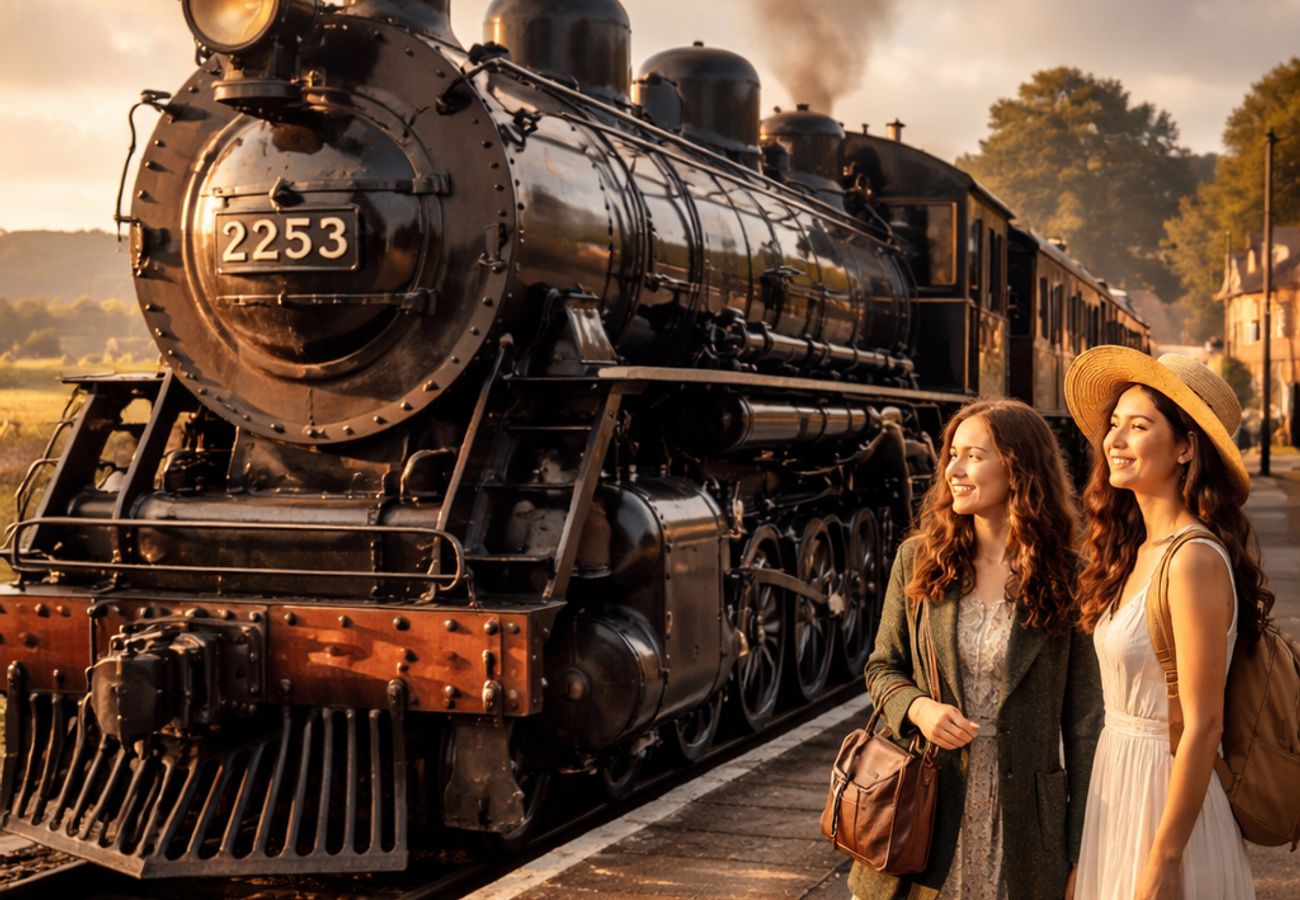
Image generated by AI
A Wartime Machine Returns: Omaha and the Future of British Steam
The North Yorkshire Moors Railway has entered a transformative era. After nearly two years of intensive engineering work, USATC No. 2253 Omaha—a rare 1943 Baldwin Locomotive Works steam engine built for wartime American service—has returned to active heritage rail operations. But this isn't simply a restoration story. It's a watershed moment for how Britain's preserved railways adapt to modern challenges while protecting their most treasured assets.
The locomotive carries more than nostalgia. It represents a critical turning point: the first full-size steam locomotive oil conversion in the United Kingdom since the end of the steam age.
Reddit: "This is exactly what heritage railways need—innovation without losing soul. Oil conversion keeps the authenticity while solving real operational headaches." — r/UKtravel
The Story Behind the Machine
Omaha wasn't built in Britain. It rolled off the Baldwin assembly line in Philadelphia in 1943, purpose-built by the United States Army Transportation Corps for wartime logistics support. Around 800 S160-class locomotives were manufactured in North America and shipped across the Atlantic to bolster the British war effort. This locomotive arrived in May 1943 and was based at Neville Hill depot in Leeds, where it hauled military freight and troop supplies.
The postwar journey is equally striking. After serving in France and subsequent European operations, Omaha entered Polish State Railway ownership as TR203-288. It spent decades in Eastern European service before preservation enthusiasts repatriated it to Britain in 1992—beginning a new chapter in heritage rail.
For the North Yorkshire Moors Railway, Omaha represents something deeper than mechanical horsepower. It's a physical link to transatlantic cooperation, industrial wartime urgency, and three generations of preservation craftsmanship. That emotional weight translates directly into visitor appeal.
Why This Conversion Matters Beyond One Locomotive
The conversion from coal to oil firing isn't a minor technical adjustment. It's a statement about the future viability of heritage steam operations across Britain.
Heritage railways face mounting pressures. Coal sourcing has become increasingly expensive and logistically challenging. High-quality steam coal access from traditional UK suppliers has tightened, forcing operators to source from overseas at premium costs. Meanwhile, summer fire risk presents a genuine safety concern—dry conditions and lineside vegetation can transform a locomotive into a potential wildfire hazard during peak tourist season, precisely when visitor demand is highest.
Oil firing addresses both problems simultaneously. It reduces particulate emissions, improves operational flexibility, and allows steam operations to continue during fire risk periods when coal operations might be restricted. For visitors, the result is simple: better availability of authentic steam experiences during crucial travel windows.
"The conversion work involved specialist engineering at Grosmont depot with technical support from FMW Solutions, a US-based railroad engineering contractor," according to railway sources. This transatlantic partnership mirrors the locomotive's own history—American-built, British-preserved, now supported by international expertise.
North Yorkshire's 24-Mile Heritage Corridor
The North Yorkshire Moors Railway isn't just a museum on rails. It's a 24-mile heritage corridor stretching from Pickering through moorland landscapes to Whitby on the Yorkshire coast. The core 18-mile section cuts through the North York Moors National Park, while the 6-mile Esk Valley line extends to the coastal town.
This geographic positioning makes it a powerful tourism asset. Visitors can combine:
- Authentic steam travel through dramatic moorland scenery
- Historic station stops at Levisham, Goathland (famous from film and television), and Grosmont (the railway's engineering headquarters)
- Coastal access at Whitby with harbor walks, seafood tourism, and Victorian architecture
- Day-trip connectivity from market towns like Pickering
Omaha becomes the headline attraction that pulls first-time visitors and brings back repeat customers. A wartime locomotive with a rare oil conversion story creates the kind of media narrative and word-of-mouth momentum that tourism boards can't manufacture through marketing alone.
The Oil Conversion: Technical Achievement and Tourism Strategy
The engineering team completed the conversion across the 2024 and 2025 winter period. The process involved reconfiguring Omaha's fuel system while preserving every original steam-era characteristic that visitors expect: the sound, the movement, the authentic spectacle.
This is heritage railway engineering at its most thoughtful. The locomotive remains visually, aurally, and mechanically authentic. Coal-era authenticity gives way to operational resilience. The engine still looks like a 1943 Baldwin locomotive. It still produces the unmistakable rhythm and roar of steam power. But it now operates with modern flexibility and reduced environmental strain.
For North Yorkshire tourism, the timing aligns with growing visitor appetite for experiential heritage travel. Heritage rail tourism in the UK has shown consistent growth as travelers seek authentic, screen-free experiences. Omaha's return offers exactly that—a story-rich journey connecting military history, industrial heritage, transatlantic relationships, and modern preservation innovation.
What This Means for Heritage Rail Tourism Beyond North Yorkshire
This single locomotive conversion signals broader industry adaptation. UK heritage railways operate in an era of climate pressure, fuel supply uncertainty, and shifting visitor expectations. The Omaha project demonstrates that preservation doesn't mean stasis. It means intelligent adaptation.
Other heritage railways are watching. The North Yorkshire Moors Railway has essentially proven that full-size steam locomotive oil conversion is viable, technically sound, and operationally beneficial. This opens doors for other preserved lines facing similar coal supply challenges.
The tourism multiplier effect extends through the entire North Yorkshire visitor economy. Accommodation providers, village shops, cafes, and walking guide services all benefit when a single dramatic railway story pulls new visitors into the region. Omaha attracts rail photography enthusiasts, wartime history buffs, family groups, and cultural tourists—diverse visitor segments spending across hospitality, dining, and local services.
The Broader Heritage Rail Resilience Picture
Heritage railways contribute roughly £500 million annually to the UK visitor economy, employing thousands of volunteers and permanent staff. Their survival depends on balancing authentic experience with practical operational reality.
The Omaha conversion exemplifies this balance. The locomotive retains every element of wartime authenticity that connects visitors to genuine history. Simultaneously, it gains operational advantages that ensure reliable service, reduced fire risk, and sustainable long-term operation.
For visitors, this means better access to steam travel experiences. For the railway, it means fleet resilience and operational confidence. For North Yorkshire, it means strengthened tourism infrastructure and cultural heritage positioning.
The Visitor Experience and Cultural Tourism Value
When Omaha hauls a train of vintage coaches through the North York Moors, it carries multiple layers of meaning. Passengers aren't simply riding a heritage railway. They're traveling through a landscape shaped by geography and history. They're experiencing machinery designed during global conflict, operated by soldiers and railway workers, preserved through decades of volunteer dedication, and now maintained through international engineering collaboration.
That narrative depth translates into memorable experiences that drive repeat visitation and strong recommendation patterns. Families return because their children remember the sensory experience of steam travel. Rail enthusiasts come back for photography opportunities across changing seasons. History travelers seek connection to wartime service stories. Cultural tourists value the preservation achievement itself.
Omaha strengthens the North Yorkshire Moors Railway's position as a destination that offers substance alongside spectacle—authentic heritage experience rather than theme-park simulation.
The future of British steam heritage lies not in perfect preservation of the past, but in thoughtful adaptation that honors history while ensuring operational viability for generations ahead.
Related Travel Guides
Canada Travel Warning for India Triggers Airline Network Disruptions in 2026
South Korea's First Park Golf Tourism Train Launches in Cheongyang June 2026
Floating Bridge Vessel Stranded on Chilika Lake with 30 Passengers Aboard
Disclaimer
This article is for informational and educational purposes only. It does not constitute legal, financial, or professional advice. While we strive to provide accurate and up-to-date information, travel policies, regulations, and conditions change rapidly. Always verify information with official sources before making travel decisions. Nomad Lawyer makes no representations about the accuracy, reliability, completeness, or suitability of the information provided. Readers should consult qualified professionals for advice specific to their circumstances. The views expressed in this article are those of the author and do not necessarily reflect the views of Nomad Lawyer.
Raushan Kumar
Founder & Lead Developer
Full-stack developer with 11+ years of experience and a passionate traveller. Raushan built Nomad Lawyer from the ground up with a vision to create the best travel and law experience on the web.
Learn more about our team →