
UK Heritage Rail Operators Launch WW2 Steam Train Experiences and Special Mother’s Day Routes for 2026
Heritage rail operators in the UK are expanding WW2-themed steam train journeys, featuring restored wartime locomotives like the Canadian Pacific to drive regional tourism.

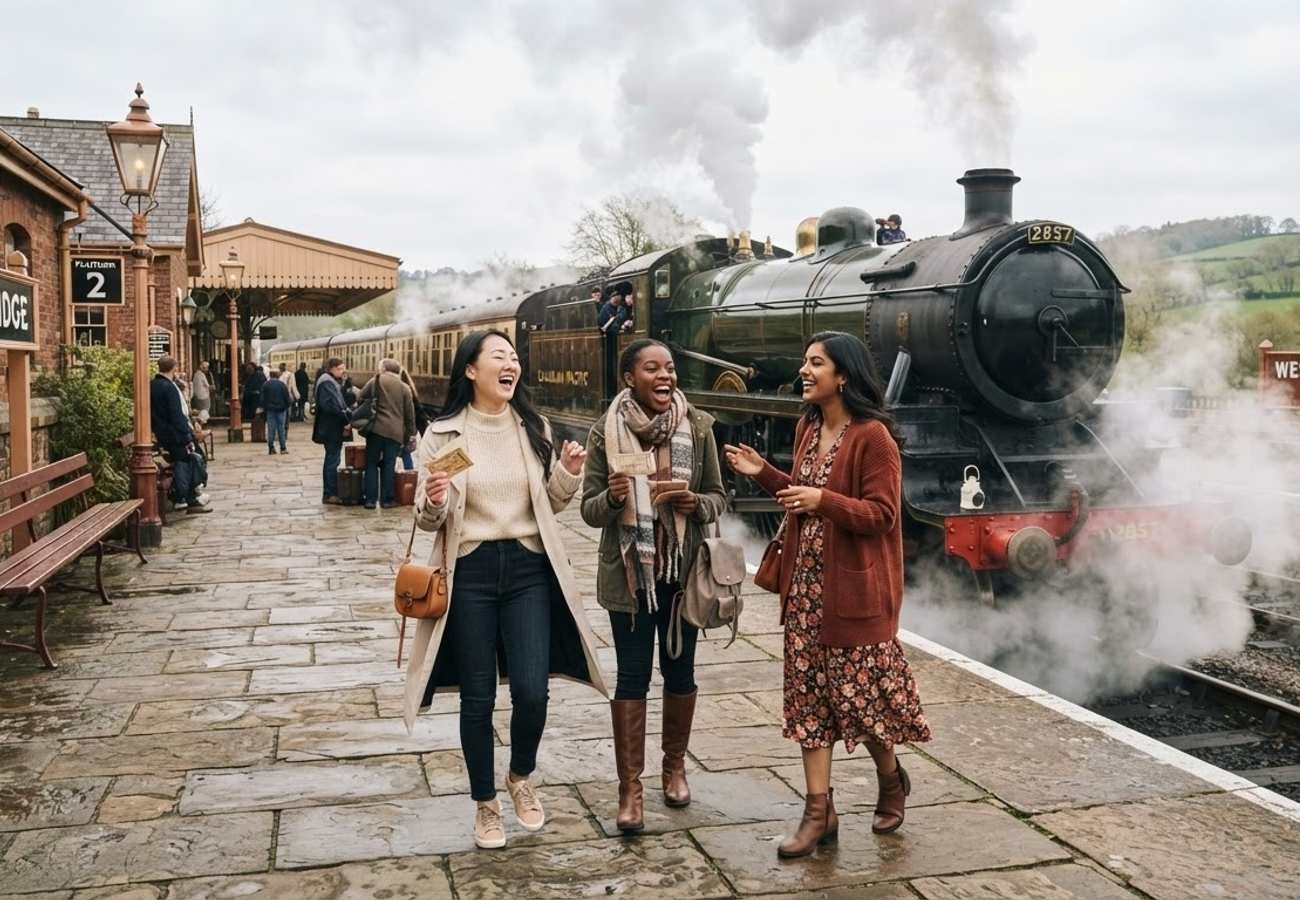
Image generated by AI
UK heritage rail operators are integrating wartime history into seasonal tourism, specifically targeting Mother’s Day with immersive WW2-themed steam locomotive journeys.
The shift toward "slow travel" and experience-based tourism has led to a resurgence in heritage rail. By utilizing restored locomotives that played pivotal roles in military transport and economic development during World War II, operators are transforming standard rail trips into educational excursions. These journeys are designed to connect passengers with the social and industrial history of the 1940s while supporting rural economies.
Expansion of Wartime Rail Heritage
A central component of these offerings is the deployment of historically significant machinery. A primary example is the restoration of the Canadian Pacific steam locomotive. This engine, historically associated with the transport of soldiers and vital supplies during World War II, has returned to operational status within English heritage railway networks.
The integration of such locomotives allows operators to move beyond simple sightseeing. The current strategy focuses on five primary pillars of development:
- Seasonal Programming: Aligning steam experiences with holidays such as Mother’s Day to increase family bookings.
- Historical Restoration: Bringing wartime-era locomotives back into active service to provide authentic tactile history.
- Educational Outreach: Using storytelling and preserved carriages to explain the role of rail in national defense.
- Nostalgia-Driven Demand: Leveraging the aesthetic and atmospheric appeal of steam travel to attract younger demographics.
- Infrastructure Preservation: Using ticket revenue to maintain aging tracks and historic station architecture.
Heritage Route and Experience Specifications
While specific schedules vary by operator, the general framework for these heritage experiences is standardized across the UK's preserved lines.
| Feature | Specification | Passenger Impact |
|---|---|---|
| Locomotive Type | Restored WW2-era Steam (e.g., Canadian Pacific) | Authentic period sound and aesthetic |
| Route Type | Rural/Countryside Preserved Lines | Access to non-commercial scenic vistas |
| Primary Event | Mother's Day Special | Family-centric themed packages |
| Service Frequency | Limited Seasonal Dates | High demand; requires advance booking |
| Key Attractions | Vintage Carriages & Historic Stations | Immersive 1940s atmosphere |
Traveler Logistics Guide: Navigating Heritage Rail
Booking a heritage steam journey differs significantly from purchasing a standard National Rail ticket. Because these services operate on limited dates and often rely on volunteer staffing, the following logistics should be considered:
Ticketing and Reservations Most heritage lines do not integrate with standard rail apps. Passengers must book directly through the specific preservation society's website. For high-demand events like Mother's Day, "First Class" or "Dining" carriages typically sell out months in advance.
Connection and Transit Planning Heritage stations are often located in remote rural areas with limited parking. It is advised to:
- Check Local Transport: Verify if the heritage station has a shuttle link to the nearest mainline National Rail station.
- Allow Extra Time: Steam trains operate on "heritage time," meaning schedules are less rigid than high-speed rail. Arrive at least 45 minutes before departure.
- Dress Appropriately: Vintage carriages can be drafty in early spring (Mother's Day period); layering is recommended for the outdoor viewing platforms.
Digital Transit Policies While these trains are analog, many heritage sites now utilize digital QR codes for entry and educational guides. Ensure your mobile device is charged, as signal strength in rural "dead zones" along the tracks can be unreliable.
Infrastructure and Regional Economic Impact
The growth of themed rail journeys provides a critical economic stimulus to rural destinations. By diverting urban tourists to smaller towns and countryside villages, heritage railways increase footfall for local hospitality businesses, museums, and artisan shops.
The reliance on volunteer groups and preservation societies ensures that the technical expertise required to maintain steam boilers and vintage signaling is passed down to new generations. This prevents the total loss of industrial skill sets and maintains the physical integrity of the railway corridors, which may serve as blueprints for future sustainable transport initiatives.
The return of the steam engine is not merely a nod to the past, but a strategic pivot toward a more mindful, slower form of global tourism.
Related Travel Guides
Disclaimer
This article is for informational and educational purposes only. It does not constitute legal, financial, or professional advice. While we strive to provide accurate and up-to-date information, travel policies, regulations, and conditions change rapidly. Always verify information with official sources before making travel decisions. Nomad Lawyer makes no representations about the accuracy, reliability, completeness, or suitability of the information provided. Readers should consult qualified professionals for advice specific to their circumstances. The views expressed in this article are those of the author and do not necessarily reflect the views of Nomad Lawyer.
Raushan Kumar
Founder & Lead Developer
Full-stack developer with 11+ years of experience and a passionate traveller. Raushan built Nomad Lawyer from the ground up with a vision to create the best travel and law experience on the web.
Learn more about our team →