
Ten Iconic Destinations Where Off-Season Travel Reveals Hidden Magic
Discover ten world-famous destinations, including Banff and Yellowstone, where traveling off-season provides cheaper rates, fewer crowds, and stunning views.

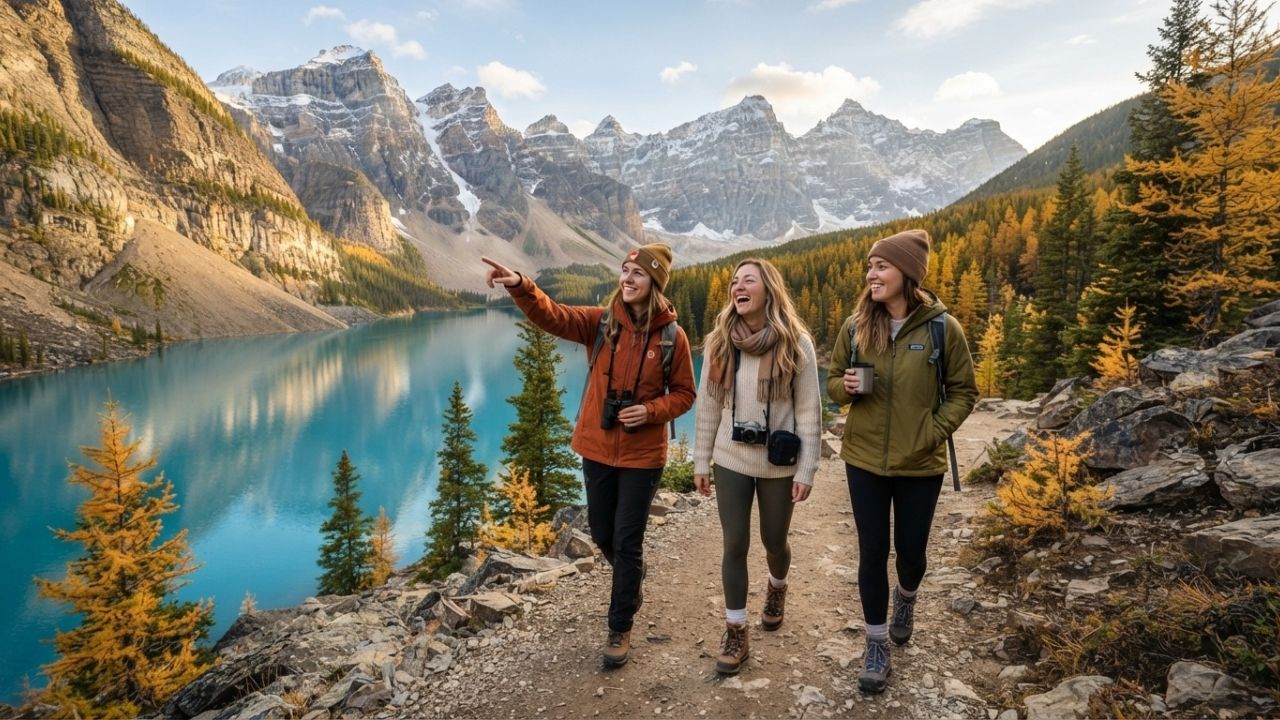
Image generated by AI
Visiting iconic destinations like Banff and Yellowstone during the off-season offers travelers lower accommodation costs, fewer crowds, and unique natural spectacles hidden during peak summer months.
An increasing number of global travelers are modifying their schedules to visit famous destinations during the shoulder seasons and winter months. Rather than facing extreme summer heat, crowded streets, and peak accommodation rates, off-season travel offers reduced expenses, fewer crowds, and more authentic experiences.
From the golden autumn forests of Banff National Park to the geothermal winter wonders of Yellowstone, changing the timing of a trip can transform the entire travel experience. Ecotourists are discovering that these areas remain spectacular outside the busy summer window, supported by less congested transit networks.
Off-Season Destination Specifications and Transit Parameters
Traveling outside peak months requires careful coordination of regional transit and booking schedules. The following table provides the operational parameters, seasonal attractions, and recommended access modes for six top U.S. and global destinations.
| Destination / Location | Peak Season (Avoid) | Recommended Shoulder / Off-Season | Core Seasonal Attraction | Recommended Transit / Access Mode |
|---|---|---|---|---|
| Banff National Park (Canada) | July – August | September (Autumn) | Golden larch tree foliage | Parks Canada Shuttles |
| Yellowstone National Park (USA) | June – August | December – March (Winter) | Frozen geysers; Lamar Valley wolves | Snowcoach or guided snowmobile |
| Santorini (Greece) | July – August | April – May / Sept – Oct | Quiet village sunsets; warm Aegean Sea | Regional ferries and local buses |
| Machu Picchu (Peru) | June – August | April – May / September | Inca ruins with clear mountain views | PeruRail connection + shuttle bus |
| Venice (Italy) | June – August | November – February | Misty canals; line-free museums | Vaporetto (water bus) line transit |
| Kyoto (Japan) | Spring / Autumn Peak | January – February (Winter) | Snowy Golden Pavilion shrine view | Kyoto Municipal Subway / bus |
Data compiled in coordination with regional authorities, including the National Park Service (NPS) and local tourism bureaus.
Traveler Logistics and Off-Peak Border Guidelines
From a ground-level perspective, the best way to navigate this is to check digital access controls (such as recreation.gov for US U.S. parks or the new ETIAS visa waiver program for European destinations) to ensure permits are secured before off-peak flight connections are booked. Planning ahead remains vital even during quieter months.
To optimize your off-season travel itinerary:
- Digital Transit Policies: Travelers visiting European sanctuaries like Venice or Santorini during shoulder seasons should verify updated border rules, including the upcoming European Travel Information and Authorisation System (ETIAS) requirements.
- National Park Access: In Banff, September hiking conditions are excellent, but parking at Lake Louise and Moraine Lake remains regulated. Utilize Parks Canada shuttles to avoid vehicle restrictions.
- Winter Transit Regulations: In Yellowstone, regular internal roads close to passenger cars from December to March. Travelers must book guided snowcoach or snowmobile tours in advance to access Old Faithful and the Lamar Valley geyser basins.
- Permit Allocation: Machu Picchu hiking permits and train tickets on PeruRail are easier to secure in April, May, and September, but advance online booking is still recommended to guarantee preferred entry slots.
Ecotourism Dynamics and Regional Economic Support
Off-season travel plays a vital role in distributing tourism revenue throughout the year, supporting local merchants, eco-lodges, and transport operators who experience seasonal downturns. In places like Scotland's Highlands, September travel reduces midges and highway congestion, keeping environmental footprints low while supporting rural economies.
Similarly, visiting the Grand Canyon in September and October protects hikers from dangerous summer temperatures while reducing pressure on park facilities. By shifting travel habits toward passive, off-peak observation, tourists help protect sensitive natural habitats while enjoying a more relaxed, authentic holiday.
Related Travel Guides
Where to Watch the 2026 Perseids Meteor Shower: The Ultimate Astrotourism and Commuter Guide
Disclaimer
This article is for informational and educational purposes only. It does not constitute legal, financial, or professional advice. While we strive to provide accurate and up-to-date information, travel policies, regulations, and conditions change rapidly. Always verify information with official sources before making travel decisions. Nomad Lawyer makes no representations about the accuracy, reliability, completeness, or suitability of the information provided. Readers should consult qualified professionals for advice specific to their circumstances. The views expressed in this article are those of the author and do not necessarily reflect the views of Nomad Lawyer.
Kunal K Choudhary
Co-Founder & Contributor
A passionate traveller and tech enthusiast. Kunal contributes to the vision and growth of Nomad Lawyer, bringing fresh perspectives and driving the community forward.
Learn more about our team →