
Oceania Long-Haul Travel Surge 2026: Australia and New Zealand Lead Extended Vacation Trends
Oceania is seeing a massive shift toward extended, high-value vacations in 2026, with New Zealand reporting 201,900 overseas arrivals in June alone as travelers pivot toward slow travel.

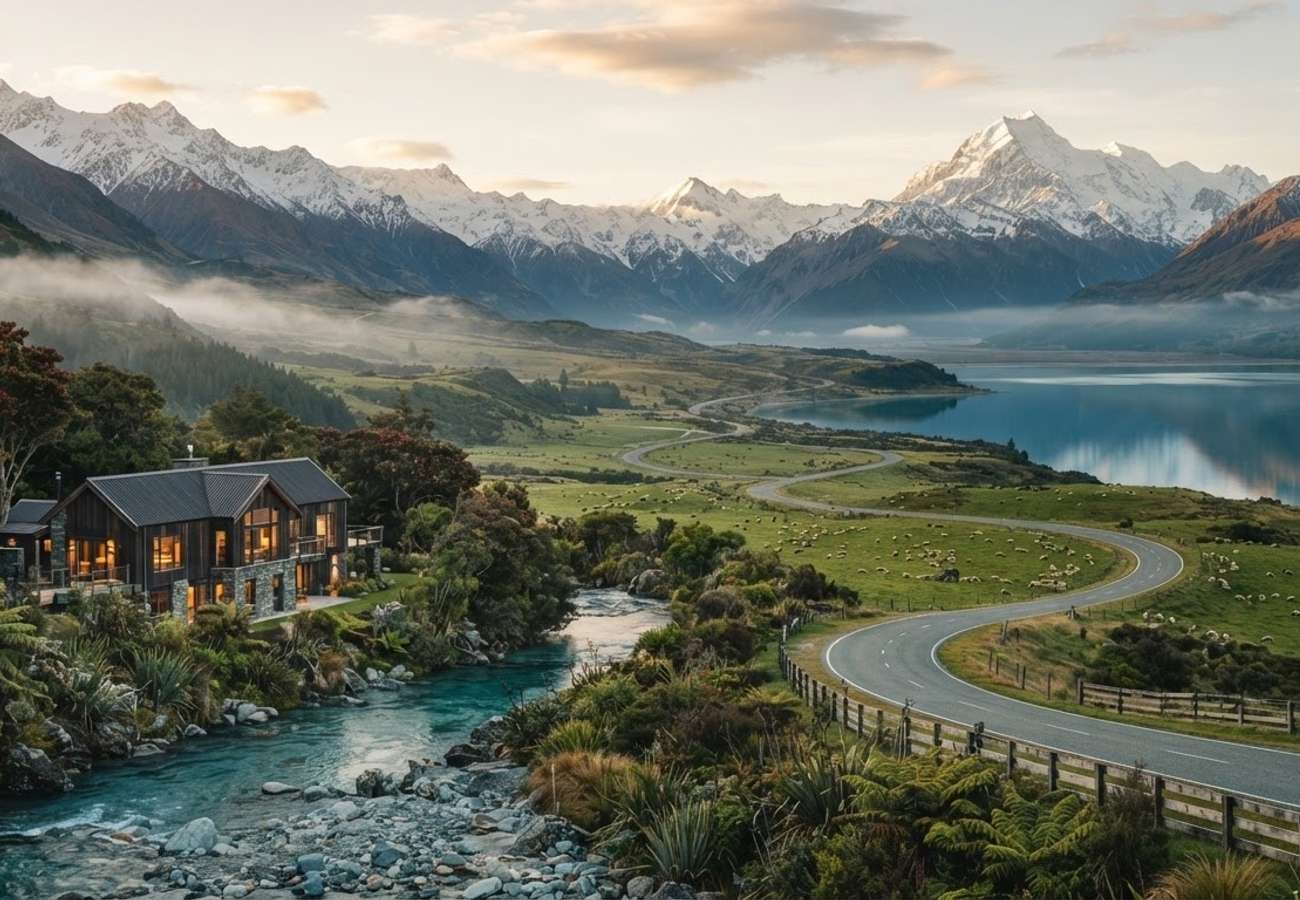
Image generated by AI
New Zealand recorded 201,900 overseas visitor arrivals in June 2026, a figure that signals a robust recovery and a shift toward the "slow travel" movement across the Oceania region. This data point is not an isolated spike but part of a broader regional pivot where long-haul travelers are abandoning short-burst itineraries in favor of multi-week immersions in nature, luxury, and indigenous culture.
The Oceania Expansion in Numbers
The 2026 travel cycle indicates that Oceania has transitioned from a "bucket list" destination to a primary choice for extended leisure. The growth is characterized by a move away from crowded global tourism hubs toward low-density, high-value experiences. This shift is most evident in the Pacific Islands and the Australasian mainland, where booking patterns now favor durations of three weeks or more.
Data from the region shows a diversified demand profile. While Australia remains the anchor for high-value international visitors from the US, UK, and China, New Zealand is experiencing some of the fastest growth rates for premium adventure seekers. Meanwhile, destinations like the Cook Islands and Samoa are seeing a rise in "authentic" travel, where visitors prioritize local community connection over traditional resort stays.
The infrastructure supporting this growth is rooted in improved air connectivity and the proliferation of premium accommodation. According to IATA, the expansion of international networks has reduced the friction of reaching remote Pacific hubs, making multi-destination itineraries—such as combining a Sydney cultural break with a Fiji wellness retreat—more viable for the average high-net-worth traveler.
Regional Performance and Market Drivers
The current trajectory of Oceania's tourism market is defined by a clear segmentation of demand. Australia is leveraging its vast geography to promote internal road trips and nature-based journeys, while the smaller Pacific nations are positioning themselves as exclusive, remote escapes.
The following table breaks down the 2026 booking trends and primary drivers across the key Oceanian markets:
| Destination | 2026 Booking Trend | Primary Demand Driver | Lead Source Markets | Key Long-Stay Experience |
|---|---|---|---|---|
| Australia | Strong/High Value | Nature & Event Tourism | USA, UK, China, Japan | Great Barrier Reef & WA Nature |
| New Zealand | Rapid Growth | Adventure & Wellness | Australia, USA, UK, China | South Island Road Trips |
| Fiji | Rising Demand | Affordable Luxury | Australia, NZ, USA, UK | Private Island Resorts |
| Cook Islands | Growing Appeal | Slow Travel/Authenticity | Australia, NZ, USA | Rarotonga Beach Holidays |
| French Polynesia | Stable Premium | Romance & Exclusivity | USA, France, Australia | Bora Bora Overwater Villas |
| Samoa | Increasing Interest | Eco-tourism/Culture | NZ, Australia, USA | Traditional Village Stays |
| Vanuatu | Gradual Recovery | Expedition Travel | Australia, NZ, New Caledonia | Mount Yasur Volcano Tours |
| New Caledonia | Renewed Interest | French-Pacific Fusion | France, Australia, NZ | Nouméa Gastronomy |
| Papua New Guinea | Niche Growth | Tribal/Wildlife Trekking | Australia, USA, Europe | Kokoda Track Expeditions |
This distribution shows a strategic shift: while Australia and New Zealand capture the mass-premium market, the Pacific Islands are successfully carving out niches in wellness and expedition travel. This diversification is a key hedge against the volatility seen in other global tourism regions.
What This Means for Travelers
For the individual traveler, the data suggests that the window for "budget" long-haul travel to Oceania is closing, replaced by a "value-per-day" model. Because the region is attracting more high-value travelers, availability in premium lodges and boutique resorts is tightening.
If you are planning a trip to New Zealand or Australia in late 2026, the following data-backed strategies are recommended:
- Extend the Booking Window: With New Zealand's June arrivals hitting 201,900, peak season capacity is reaching critical levels. Booking 6-9 months in advance is now essential for luxury wilderness retreats and South Island accommodations.
- Diversify the Itinerary: To avoid the "crowded hub" effect, shift focus toward Western Australia or Tasmania. These regions are currently seeing a rise in interest but remain less congested than Sydney or Queensland.
- Leverage Multi-Stop Airfare: With expanded connectivity, travelers should look for "open-jaw" tickets (e.g., flying into Sydney and out of Rarotonga) to maximize the value of the long-haul flight.
The rise of digital nomadism is also playing a role. As reported by the World Travel & Tourism Council (WTTC), the blending of remote work and leisure—often called "bleisure"—is extending the average stay in the Pacific. Travelers are no longer limited to a 14-day window, allowing for deeper exploration of the Cook Islands or Samoa.
Projections for the 2027 Cycle
Based on current trajectory, the Oceania region is moving toward a "high-yield, low-impact" tourism model. We expect to see a further increase in the cost of entry for premium experiences as destinations like French Polynesia and the Cook Islands implement stricter low-density tourism policies to preserve their natural assets.
The growth of Papua New Guinea as a niche expedition hub suggests a burgeoning market for "extreme" luxury—where high-cost, low-frequency trips provide access to unexplored landscapes. We project that by 2027, the "adventure-luxury" segment in New Zealand and Australia will grow by another 12-15% as travelers seek more personalized, private tours over group excursions.
Furthermore, the integration of sustainable travel metrics will likely become a primary driver. Travelers are increasingly choosing destinations based on their eco-footprint, which gives a competitive advantage to Samoa and Vanuatu's eco-tourism initiatives.
FAQ: Oceania Travel Trends 2026
Will flight prices to Oceania increase in 2026? Yes, as demand for extended stays grows and high-value travelers increase, premium cabin pricing is expected to rise. However, expanded airline networks may keep economy fares competitive through increased capacity.
Is it better to visit Australia or New Zealand for a long stay? Australia is better for diverse landscapes (deserts, reefs, cities), while New Zealand is superior for concentrated adventure and scenic landscapes. Data shows New Zealand is growing faster in the premium adventure sector.
Which Pacific Island is best for "slow travel"? The Cook Islands are currently the top choice for slow travel due to their low-density tourism model and focus on authentic, longer-duration beach and lagoon experiences.
When is the best time to book a luxury lodge in New Zealand? Given the June 2026 arrival data of 201,900 visitors, it is advised to book luxury lodges at least 6-8 months in advance to ensure availability during the peak summer window.
The shift toward Oceania suggests that the modern traveler no longer views distance as a barrier, but as a prerequisite for true escape.
Related Travel Guides
Disclaimer
This article is for informational and educational purposes only. It does not constitute legal, financial, or professional advice. While we strive to provide accurate and up-to-date information, travel policies, regulations, and conditions change rapidly. Always verify information with official sources before making travel decisions. Nomad Lawyer makes no representations about the accuracy, reliability, completeness, or suitability of the information provided. Readers should consult qualified professionals for advice specific to their circumstances. The views expressed in this article are those of the author and do not necessarily reflect the views of Nomad Lawyer.
Naina Thakur
Contributor & Travel Specialist
Travel enthusiast and legal writer covering visa regulations, responsible tourism, and cultural journeys across global destinations.
Learn more about our team →