
Celebrities and Cultural Renaissance: Why Rio, São Paulo, and Salvador are Brazil's 2026 Hotspots
Brazil is undergoing a massive cultural shift as global celebrities and immersive travelers move beyond the beaches of Rio to explore the Afro-Brazilian roots of Salvador and the urban art of São Paulo.

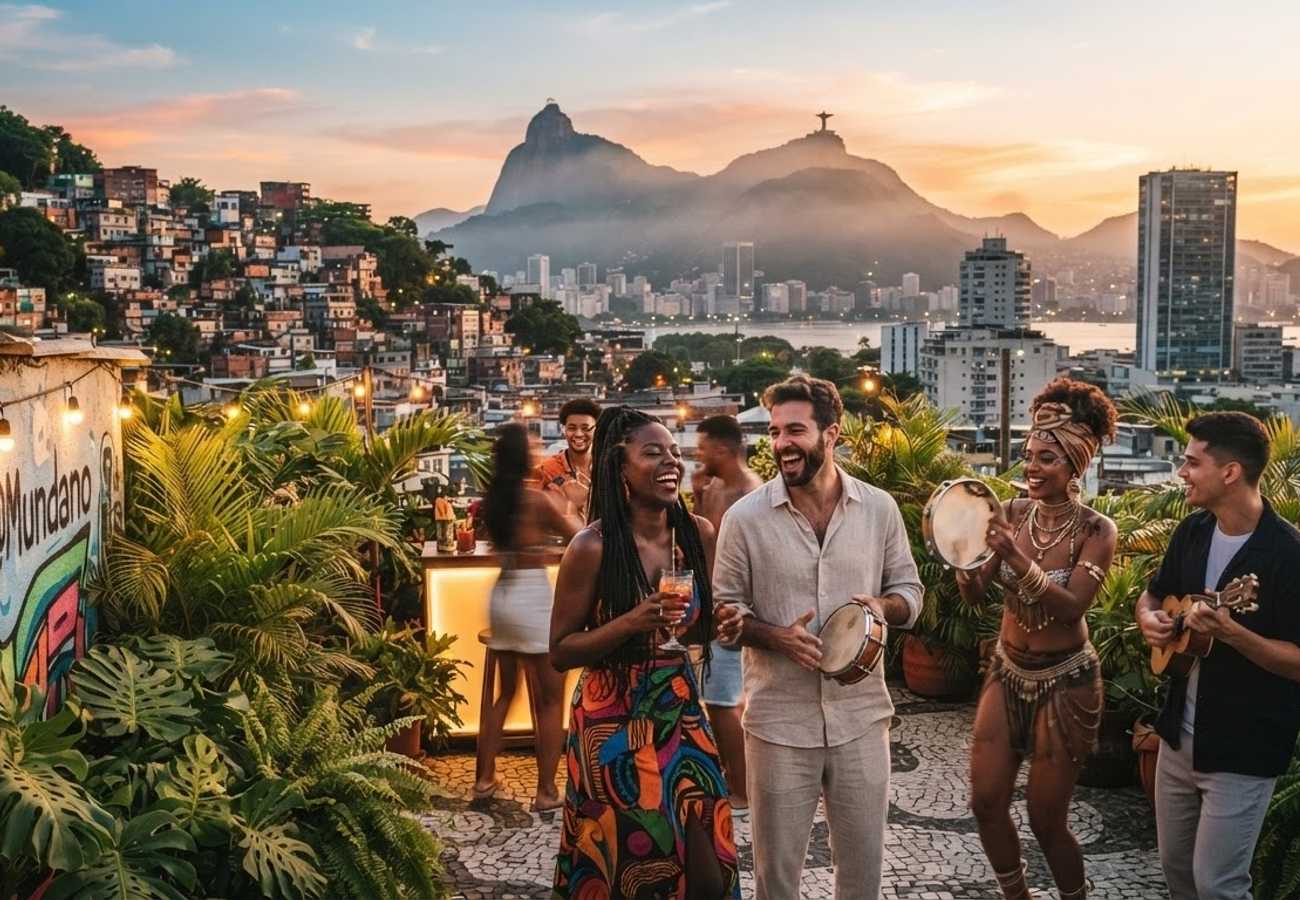
Image generated by AI
Global superstars like Madonna, Shakira, and Lady Gaga have long performed in Brazil, but a new shift is occurring where celebrities are no longer just visiting for a concert—they are settling in. This movement is sparking a broader cultural awakening across Brazil, shifting the tourist gaze from the postcard-perfect vistas of Christ the Redeemer to the gritty, creative heartbeat of the nation's urban centers.
The Shift Toward Immersive Urbanism
Brazil is currently shedding its image as a mere beach destination. While the coastline remains a draw, there is a palpable movement toward "experience-based travel." Visitors are bypassing the curated tourist zones to find the authentic rhythms of the street. This isn't just about sightseeing; it is about integration.
In Rio de Janeiro, this manifests as a transition from the sands of Copacabana to the steep alleys of the Rocinha favela and the bohemian energy of the Lapa district. The city is leveraging its status as Latin America’s entertainment capital by blending mega-events with community-based tourism. The influence of global stars, paired with the international rise of Brazilian artist Anitta, has rebranded Rio as a hub for those seeking the intersection of luxury and raw, urban creativity.
Meanwhile, São Paulo is positioning itself as the creative engine of South America. It is less about the beach and more about the "concrete jungle" aesthetic. From the street art of Vila Madalena to the multicultural enclave of Japan Town, the city is attracting a demographic of digital nomads and art collectors. The Museum of Art of São Paulo (MASP) serves as a focal point for this intellectual surge, making the city a legitimate competitor to global creative capitals like Berlin or New York.
Mapping the Cultural Surge
The awakening isn't limited to the southern hubs. A diverse array of cities is now claiming its space on the global map, each offering a distinct slice of Brazilian identity.
| City | Cultural Driver | Must-Visit Experience | Growth Factor |
|---|---|---|---|
| Rio de Janeiro | Samba, Funk, Favela Art | Lapa District & Rocinha | Celebrity influence & mega-concerts |
| São Paulo | Gastronomy, Fashion, Art | Paulista Avenue & Vila Madalena | Immigrant communities & business hubs |
| Salvador | Afro-Brazilian Heritage | Pelourinho Historic District | Demand for ancestral & roots tourism |
| Recife | Frevo & Maracatu Music | Recife Antigo & Olinda | Regionalism beyond the Rio-SP axis |
| Belo Horizonte | Gastronomy & Modernism | Pampulha Modern Ensemble | High-value culinary tourism |
| Florianópolis | Island & Surf Culture | Traditional Fishing Villages | Digital nomad & lifestyle influencers |
| Fortaleza | Ceará Handicrafts | Regional Cultural Centres | Improved connectivity to the Northeast |
| Belém | Amazonian Indigenous Roots | Ver-o-Peso Market | Global focus on sustainability |
Visitor Insider Tips
To experience Brazil through a local lens rather than a brochure, you need to change your timing and your targets.
Timing the Rhythms: If you are visiting Rio for Carnival, avoid the official "Sambadrome" crowds for at least one day. Instead, find the blocos (street parties) in neighborhoods like Santa Teresa. These are free, chaotic, and where the actual soul of the party resides.
Navigating São Paulo: Do not try to tackle the city by car during business hours; the traffic is legendary for all the wrong reasons. Use the Metro and base yourself in the Jardins or Pinheiros neighborhoods to be within walking distance of the best galleries and cafes.
Etiquette in Salvador: When visiting the Pelourinho, you will be approached by many street vendors. A polite but firm "não, obrigado" (no, thank you) is standard. To truly connect, seek out Candomblé traditions, but always ask for permission before photographing religious ceremonies.
Regional Flavities: In Belo Horizonte, skip the hotel breakfast and head straight to the Mercado Central. Try the local pão de queijo (cheese bread) and regional cachaças—this is the gastronomic heart of Minas Gerais.
Cultural and Environmental Context
This surge in tourism brings a complex set of challenges. In cities like Salvador and Belém, there is a delicate balance between promoting Afro-Brazilian and Indigenous heritage and avoiding the "museumification" of living cultures. The rise of favela tours in Rio, for instance, provides critical economic opportunities for local residents but requires a sensitive approach to avoid voyeurism.
Furthermore, the increased attention on Belém is inextricably linked to the health of the Amazon. As the city becomes a gateway for river-based identity and indigenous culture, the pressure on local ecosystems increases. The shift toward sustainable, community-led tourism is not just a trend here—it is a necessity for survival. Travelers are encouraged to use official UNESCO World Heritage guidelines when visiting historic sites to ensure preservation efforts are supported.
For those planning a broader journey through the region, coordinating with local transport authorities is essential. Whether using the extensive bus networks of the Northeast or the urban rail of São Paulo, the Visit Brazil official portal provides updated logistics for navigating these expanding hubs.
FAQ: Visiting Brazil 2026
What is the best time to visit? For the cultural peak, December to February coincides with Carnival and the height of summer. However, for a more authentic, less crowded experience, May to September offers milder weather and a more relaxed pace in the cities.
Do I need a visa? Visa requirements vary by nationality and are subject to change. Most EU and North American travelers should check the latest consulate updates for 2026, as Brazil frequently updates its reciprocity agreements.
How do I get to the Northeast (Salvador/Recife) from Rio? The most efficient way is via domestic flights from GIG or SDU airports. For a slower, more immersive experience, regional buses are available, though they take several days to traverse the coast.
Is it safe for solo travelers? Yes, provided you follow local safety norms. Use ride-sharing apps like Uber instead of hailing cabs at night, avoid wearing flashy jewelry in crowded urban centers, and stay in well-reviewed neighborhoods.
Brazil is no longer a place you simply visit—it is a rhythm you synchronize with.
Related Travel Guides
Disclaimer
This article is for informational and educational purposes only. It does not constitute legal, financial, or professional advice. While we strive to provide accurate and up-to-date information, travel policies, regulations, and conditions change rapidly. Always verify information with official sources before making travel decisions. Nomad Lawyer makes no representations about the accuracy, reliability, completeness, or suitability of the information provided. Readers should consult qualified professionals for advice specific to their circumstances. The views expressed in this article are those of the author and do not necessarily reflect the views of Nomad Lawyer.
Naina Thakur
Contributor & Travel Specialist
Travel enthusiast and legal writer covering visa regulations, responsible tourism, and cultural journeys across global destinations.
Learn more about our team →