
New York, Miami, and Los Angeles Lead America’s Gen Z Travel Boom as 44% of Young Travelers Chase Culture and Food: Everything You Need to Know
New York (44%), Miami (41%), and Los Angeles capture America's Gen Z travel surge, driven by culture, food scenes, and shareable experiences in 2026.

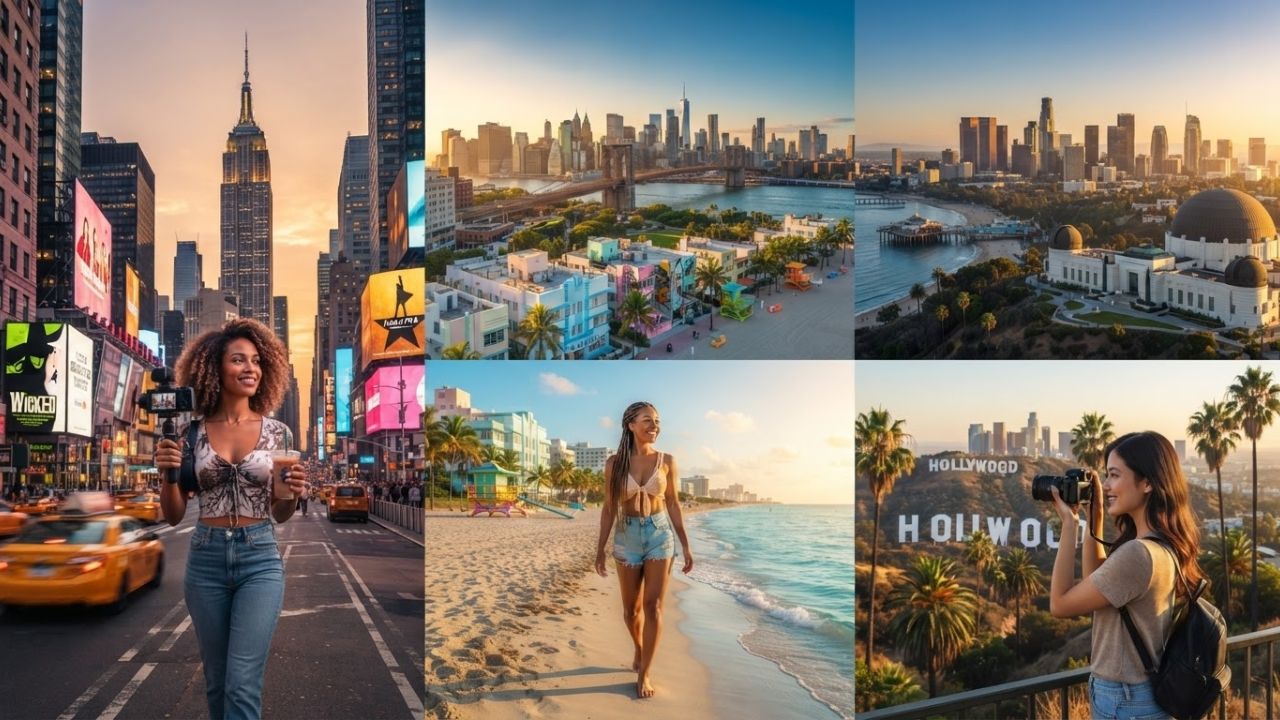
Image generated by AI
A major demographic shift is reshaping the U.S. tourism industry as New York City, Miami, and Los Angeles emerge as the top destinations driving America’s Gen Z travel boom. Verified generational research from YouGov, Airbnb 2026 platform demand signals, and Skyscanner behavioral data confirm that 44 percent of Gen Z travelers consider visiting New York, closely followed by 41 percent for Miami. Young travelers are increasingly prioritizing walkability, local food scenes, screen-inspired entertainment, and authentic cultural immersion over traditional resort holidays, prompting travel operators to adapt accommodation pricing and transit guidance.
Quick Summary
- Top US Destination Rankings: New York City leads national Gen Z travel consideration at 44%, followed by Miami at 41%, with Los Angeles completing the top tier.
- New York’s Dense Transit Model: NYC attracts young visitors through walkability and 24/7 public transit via 472 MTA subway stations across 25 routes.
- Miami’s Coastal & Cultural Blend: Features 800 designated historic structures in the Art Deco Historic District, Wynwood murals, and Little Havana’s Calle Ocho.
- Los Angeles Creator & Screen Hub: Delivers dispersed neighborhood clusters, free-admission attractions like Griffith Observatory and The Getty Center, and studio tours.
- Industry Leadership Perspective: Travel industry expert Anup Kumar Keshan highlights that Gen Z seeks identity, community connection, and honest pricing over superficial photo gathering.
Context and Background: The Rise of Gen Z Urban Tourism
The American travel industry is undergoing a structural evolution led by Generation Z (travelers born between the late 1990s and early 2010s). Unlike previous generations who often prioritized static beach vacations, younger travelers are seeking dynamic urban environments that combine cultural discovery, diverse culinary traditions, and shareable digital experiences.
Industry analysis derived from YouGov-linked destination consideration data, Airbnb 2026 search trends, and Skyscanner booking research reveals that New York City, Miami, and Los Angeles capture the highest share of young traveler interest. Destination management organizations are adjusting marketing strategies to highlight neighborhood exploration, public transport accessibility, and transparent accommodation pricing.
Event Details: Breakdown of America’s Top Three Gen Z Destinations
Each of the three leading metropolitan hubs offers a distinct value proposition tailored to young, experiential travelers.
1. New York City: Dense Walkability and 24/7 Public Transit (44% Consideration)
New York City ranks as the top destination choice, with 44 percent of Gen Z respondents expressing travel interest. The city’s high urban density allows visitors to explore world-class museums, independent bookshops, live theater, and global food markets without needing a rental car.
- Transit Infrastructure: The MTA subway system operates 24/7 across 472 stations on 25 routes, making navigation simple and cost-effective.
- No-Fee Highlights: Times Square, Central Park, High Line, Brooklyn Bridge Park, DUMBO, Bushwick, and Queens.
- Anchor Attractions: Broadway, Empire State Building, Statue of Liberty and Ellis Island, Rockefeller Center, 9/11 Memorial & Museum, and MoMA.
2. Miami: Coastal Freedom and Architectural Heritage (41% Consideration)
Ranking second with 41 percent consideration, Miami blends Atlantic beach access with vibrant Latin American culture, modern art, and wellness travel.
- Art Deco District: Home to approximately 800 designated historic buildings along Ocean Drive, Collins Avenue, and Washington Avenue, adjacent to Lummus Park.
- Cultural Enclaves: Wynwood (contemporary galleries and murals), Little Havana (Calle Ocho, Domino Park, Cuban cafés), Pérez Art Museum Miami (Biscayne Bay), and Vizcaya Museum and Gardens.
- Transit Options: Metrorail, Metrobus, and the free downtown Metromover system.
3. Los Angeles: Dispersed Creator Hub and Screen Culture
Los Angeles attracts young travelers through film, television, music, gaming, and outdoor recreation spread across distinct neighborhood clusters.
- Free Cultural Institutions: Griffith Observatory (planetarium exhibits, Hollywood Sign photography, and Griffith Park access) and The Getty Center (modern architecture and European art with free general admission).
- Entertainment & Screen Tours: Universal Studios Hollywood, Warner Bros. Studio Tour, Venice Beach, Santa Monica Pier, The Broad, and Exposition Park.
Table: Top US Cities in the 2026 Gen Z Travel Surge
| City Destination | Gen Z Consideration Share | Primary Appeal & Cultural Pillars | Key Transit & Cost-Saving Features |
|---|---|---|---|
| New York City | 44% (#1 Rank) | High density, Broadway, world food, 24/7 culture | MTA Subway (472 stations, 25 routes); walkable boroughs |
| Miami | 41% (#2 Rank) | Art Deco heritage, Latin culture, beaches, Wynwood | Free downtown Metromover; mainland lodging options |
| Los Angeles | Top Tier Hub | Screen culture, studio tours, music, Griffith Park | Free entry at Griffith Observatory & The Getty Center |
Risks, Travel Budget Pitfalls, and Regional Logistics
Young travelers navigating these major U.S. metropolitan hubs face operational and financial challenges:
- Hidden Hotel & Resort Fees: Resort charges, destination fees, and parking costs can significantly increase room rates in Miami Beach and Midtown Manhattan.
- Los Angeles Transit Dispersal: Crossing LA’s vast metropolitan area between coastal spots (Venice/Santa Monica) and eastern hubs (Hollywood/Downtown) can consume hours in traffic if not planned by neighborhood clusters.
- Mega-Event Fare Spikes: High demand during major concert tours, sports tournaments, and holiday weekends drives up airfares and central hotel rates across all three cities.
- Discretionary Spending Pressure: High food and beverage costs in nightlife districts can quickly exhaust travel budgets if visitors do not utilize local food markets and budget dining options.
What Industry Leaders Are Saying
Evaluating the generational shift in U.S. tourism, Anup Kumar Keshan, Travel Industry Tycoon, Founder, and Editor-in-Chief of Travel And Tour World, provided key insights into Gen Z travel behavior:
"New York City, Miami, and Los Angeles demonstrate why Gen Z is becoming the most influential force in American tourism, because each destination combines cultural depth, shareable experiences, diverse food, events, and flexible ways to build a personal journey. This generation is not travelling merely to collect photographs; it is seeking identity, community, creativity, and value, which gives destinations an opportunity to develop affordable experiences, improve public transport, support local businesses, and communicate honestly across digital platforms, while ensuring that tourism growth remains inclusive, responsible, and rewarding for residents as well as the young visitors shaping the future of travel."
Practical Traveler Advice for Gen Z City Breaks
Young travelers planning urban breaks to New York, Miami, or Los Angeles can maximize their experience with these practical tips:
- Adopt a Neighborhood-Cluster Strategy in LA: Group activities geographically (e.g., spending one full day in Santa Monica/Venice and another in Hollywood/Downtown) to avoid cross-city traffic delays.
- Utilize Free Local Transit Tools: Ride the free downtown Metromover in Miami and use 7-day unlimited MTA subway passes in New York City.
- Pre-Book Free Museum and Observatory Admissions: Secure timed-entry passes online for free-admission spots like The Getty Center and Griffith Observatory to guarantee entry.
- Compare Total Accommodation Charges: Review full room costs—including taxes, cleaning fees, resort charges, and parking fees—before booking hotels or vacation rentals.
- Explore Local Culinary Enclaves: Save money on food by dining in neighborhood food markets and family-run eateries in Queens (NYC), Little Havana (Miami), or East LA.
Broader Context: Gen Z’s Transformative Impact on US Tourism
The preferences of Gen Z travelers are forcing a broader shift in destination marketing across the United States. Tourism boards are pivoting away from generic luxury advertising toward authentic, community-focused itineraries highlighting local artists, independent businesses, and public transit accessibility.
By demanding transparent pricing and meaningful cultural engagement, young travelers are encouraging cities to invest in public spaces, historical preservation, and sustainable urban mobility.
What to Expect Next in Urban Travel
As travel operators prepare for the 2026/2027 holiday seasons, major U.S. cities will launch more flexible short-stay packages, expanded digital transit maps, and curated neighborhood guides.
Destinations that offer seamless public transit, rich culinary diversity, and accessible cultural experiences will continue to dominate Gen Z travel preference rankings.
Conclusion
New York City, Miami, and Los Angeles lead America's Gen Z travel surge by providing rich cultural experiences, diverse food scenes, and shareable moments. With 44 percent of young travelers favoring New York and 41 percent eyeing Miami, success depends on smart planning—such as leveraging NYC's 24/7 subway, utilizing Miami's free Metromover, and clustering neighborhood visits in LA. By focusing on value, transparent pricing, and authentic local experiences, young travelers can enjoy world-class urban breaks.
Frequently Asked Questions (FAQ)
1. Which U.S. city is most popular with Gen Z travelers according to research?
New York City leads domestic consideration in generational research, with 44 percent of Gen Z respondents expressing interest in visiting, followed by Miami at 41 percent.
2. Why is Miami so attractive to young travelers?
Miami combines Atlantic beaches with the Art Deco Historic District (800 historic buildings), Wynwood street art, Little Havana’s Calle Ocho, vibrant nightlife, and a diverse Latin American food scene.
3. How does Los Angeles differ from New York and Miami for city breaks?
Unlike dense New York or coastal Miami, Los Angeles is dispersed across distinct neighborhood clusters focused on film studios, music, hiking at Griffith Park, free art museums like The Getty Center, and Pacific beaches.
4. Are there free attractions for young travelers in these cities?
Yes. New York offers Central Park, the High Line, and Brooklyn Bridge Park; Miami features public beaches and the free Metromover; Los Angeles provides free entry to Griffith Observatory and The Getty Center.
5. How can young travelers save money on transportation in these cities?
Travelers can use 7-day MTA subway passes in New York, ride the free Metromover in Miami, and cluster attractions geographically in Los Angeles to minimize rideshare costs.
SEO & Metadata Specifications
- Suggested Meta Title (58 characters): NYC, Miami & LA Lead Gen Z US Travel Boom | 2026 Guide
- Suggested Meta Description (153 characters): New York (44%), Miami (41%), and Los Angeles capture America's Gen Z travel surge, driven by culture, food scenes, and shareable experiences in 2026.
- URL Slug:
nyc-miami-los-angeles-gen-z-us-travel-boom-2026 - Article Tags:
Gen Z Travel,New York Tourism,Miami Travel,Los Angeles Travel,US Travel Alert - Featured Image Alt Text: New York City Times Square and urban skyline backdrop highlighting America's Gen Z travel boom in NYC, Miami, and Los Angeles.
Related Travel Guides
Disclaimer
This article is for informational and educational purposes only. It does not constitute legal, financial, or professional advice. While we strive to provide accurate and up-to-date information, travel policies, regulations, and conditions change rapidly. Always verify information with official sources before making travel decisions. Nomad Lawyer makes no representations about the accuracy, reliability, completeness, or suitability of the information provided. Readers should consult qualified professionals for advice specific to their circumstances. The views expressed in this article are those of the author and do not necessarily reflect the views of Nomad Lawyer.
Kunal K Choudhary
Co-Founder & Contributor
A passionate traveller and tech enthusiast. Kunal contributes to the vision and growth of Nomad Lawyer, bringing fresh perspectives and driving the community forward.
Learn more about our team →