
NTSB Restricts Public Access to Crash Investigation Files Following AI-Generated Cockpit Audio Breach
Breaking airline news and aviation industry updates for 2026.

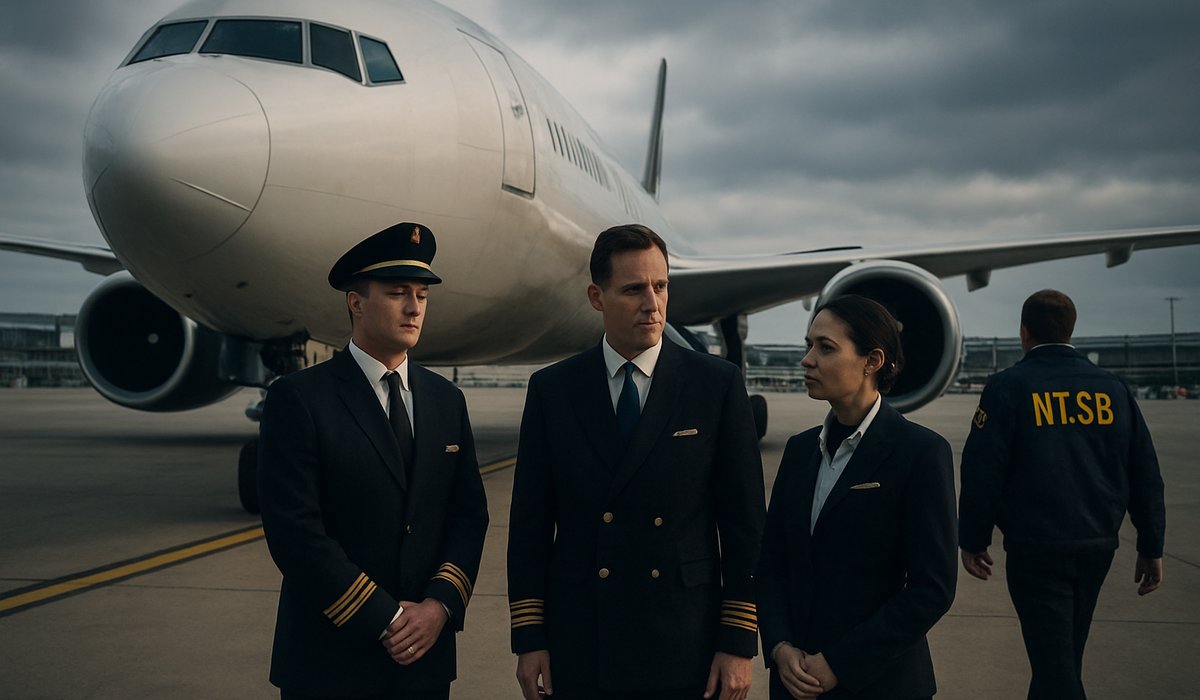
Image generated by AI
NTSB Restricts Public Access to Crash Investigation Files Following AI-Generated Cockpit Audio Breach
Federal safety agency shields sensitive accident data as artificial intelligence technology threatens aviation investigation transparency
Unprecedented Security Lockdown Triggered by AI Reconstruction
The National Transportation Safety Board has announced a significant departure from decades of open investigation protocols, restricting public access to its digital dockets following unauthorized artificial intelligence recreations of cockpit audio recordings from a fatal UPS cargo aircraft accident. The decision, disclosed on May 22, marks a watershed moment in how aviation regulators balance transparency with security in the age of advanced AI technology.
The move represents one of the most consequential shifts in NTSB operational policy, as the independent federal agency has traditionally maintained public accessibility to investigation materials—a cornerstone of aviation safety improvement. That tradition now faces unprecedented challenges from machine learning capabilities that can synthesize sensitive audio data with alarming accuracy.
The AI Vulnerability That Changed Everything
The catalyst for this dramatic policy reversal centers on unauthorized digital reconstructions of sensitive cockpit conversations extracted from NTSB investigation files. Unknown parties leveraged artificial intelligence algorithms to synthesize and recreate audio content that had been preserved as part of the crash investigation record. The UPS incident in question—which resulted in fatalities—became the focal point of this security breach, exposing critical vulnerabilities in how investigative materials are protected.
Such reconstructions raise profound questions about the reliability of evidence in accident investigations and pose potential risks to victim families, who now face the prospect of their tragedy being replicated synthetically without consent or oversight.
Broader Implications for Aviation Safety Culture
The NTSB's decision to wall off public dockets signals a troubling pivot away from the agency's founding principle: that transparent investigation processes strengthen the entire aviation industry through shared learning. For decades, aviation professionals—from airline operators to aircraft manufacturers—have relied on open access to accident investigation data to identify systemic safety vulnerabilities.
Industry experts warn that restricted access to investigation materials could slow the identification of recurring safety hazards and complicate the development of preventative measures across commercial aviation fleets.
What Comes Next
The agency has not outlined a timeline for when—or if—full public access to investigation dockets will resume. Meanwhile, the incident underscores a critical gap in regulatory frameworks designed for an earlier technological era, leaving aviation authorities scrambling to protect sensitive materials in an age of AI-driven data synthesis.
FAQ
Q: Why did the NTSB restrict public access to investigation files? A: Following unauthorized AI recreations of cockpit audio from crash investigations, the agency implemented restrictions to prevent further unauthorized synthesis of sensitive accident data.
Q: How does AI-generated cockpit audio affect aviation safety investigations? A: Synthetic audio recreations raise concerns about evidence integrity, victim family privacy, and the potential for misinformation about accident circumstances.
Q: Will the NTSB's transparency restrictions affect how airlines learn from accidents? A: Limited access to investigation dockets could hinder the aviation industry's ability to identify systemic safety patterns and implement preventative measures.
Q: Is this restriction permanent or temporary? A: The NTSB has not provided clarity on the duration of these access limitations or conditions for reinstatement.
Q: How can AI technology be regulated in aviation safety contexts? A: The incident reveals gaps in regulatory frameworks and highlights the need for new policies governing AI applications in sensitive investigative and security-related domains.
Related Travel Guides
Flight Delay Compensation Guide 2026
Understanding Airline Route Changes
Airport Security Process Updated (2026)
External Resources
Disclaimer
This article is for informational and educational purposes only. It does not constitute legal, financial, or professional advice. While we strive to provide accurate and up-to-date information, travel policies, regulations, and conditions change rapidly. Always verify information with official sources before making travel decisions. Nomad Lawyer makes no representations about the accuracy, reliability, completeness, or suitability of the information provided. Readers should consult qualified professionals for advice specific to their circumstances. The views expressed in this article are those of the author and do not necessarily reflect the views of Nomad Lawyer.
Kunal K Choudhary
Co-Founder & Contributor
A passionate traveller and tech enthusiast. Kunal contributes to the vision and growth of Nomad Lawyer, bringing fresh perspectives and driving the community forward.
Learn more about our team →