
Unruly Passenger Forces Delta Flight Return After Refusing to End Phone Call
Breaking airline news and aviation industry updates for 2026.

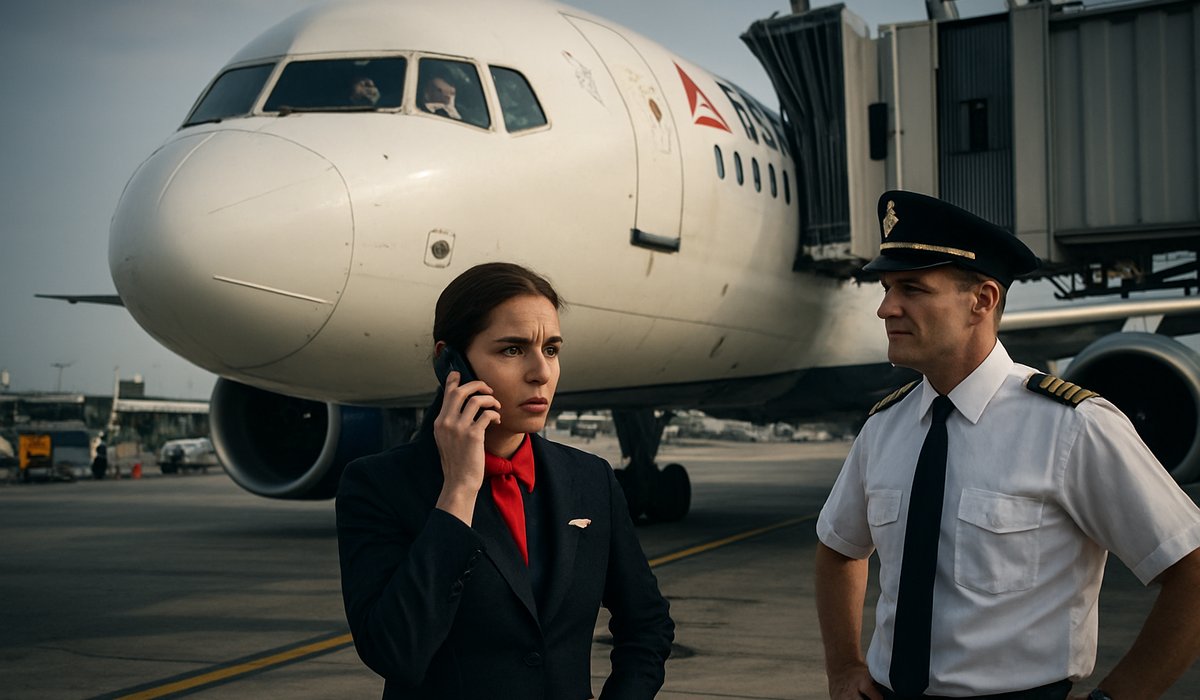
Image generated by AI
Unruly Passenger Forces Delta Flight Return After Refusing to End Phone Call
Mid-flight diversion highlights persistent in-cabin disruption challenges as airlines crack down on passenger behavior
A Delta Air Lines flight was forced to return to the gate after a passenger refused to comply with mandatory phone disconnection procedures during the pre-takeoff sequence, marking the latest incident in a growing pattern of in-flight passenger misconduct across the U.S. aviation sector.
The Incident
The passenger remained engaged in an active phone conversation as the aircraft prepared for departure, ignoring repeated requests from flight attendants to terminate the call in accordance with Federal Aviation Administration (FAA) safety protocols. Despite crew intervention and standard compliance procedures, the traveler refused to disconnect, forcing the airline to reverse course and return to the terminal.
While the specific contents and urgency of the conversation remain undisclosed, the passenger's refusal to abide by established safety regulations—which mandate the cessation of all cellular communications during flight operations—triggered the operational disruption.
Rising In-Cabin Disruption Concerns
This incident reflects a broader challenge confronting the aviation industry. Airlines have documented a significant uptick in unruly passenger behavior since pandemic-related travel restrictions lifted, straining crew resources and delaying thousands of flights annually.
The FAA and major carriers, including Delta, United, and American Airlines, have intensified enforcement mechanisms and passenger conduct policies to address persistent non-compliance. Airlines now impose fines ranging from $500 to $15,000 for documented disruptions, with severe cases resulting in permanent flight bans.
Safety and Regulatory Framework
Federal regulations explicitly prohibit active phone usage during flight operations—a requirement rooted in both safety protocols and international aviation standards. Flight attendants are authorized to enforce these directives, and passengers who resist face potential legal consequences, including federal charges for interference with crew members.
Delta has reinforced its commitment to maintaining cabin safety and passenger comfort through stricter enforcement of its code of conduct, which emphasizes crew authority during all phases of flight operations.
Broader Industry Impact
The recurring nature of such incidents continues to pressure airlines to invest in crew training, enhanced security protocols, and passenger education initiatives. Some carriers have introduced pre-flight announcements emphasizing behavioral expectations, while others have partnered with law enforcement agencies to establish swift responses to non-compliant travelers.
For the aviation industry grappling with staffing shortages and operational efficiency challenges, passenger misconduct represents a costly distraction that diverts resources from core operations and prolongs gate delays.
Frequently Asked Questions
What are current airline policies regarding phone usage during flights? All U.S. carriers prohibit active cellular calls during flight operations in compliance with FAA regulations. Calls must be terminated before pushback, with WiFi-enabled texting available as an alternative during flight.
What penalties do passengers face for refusing to comply with flight attendant instructions? Violations can result in fines from $500 to $15,000, flight bans, criminal charges for crew interference, and potential civil liability depending on violation severity.
How common are unruly passenger incidents in commercial aviation? The FAA documented over 5,000 reports of disruptive passenger behavior in 2021-2022, with non-compliance during boarding and taxi procedures representing a significant portion of incidents.
Can airlines legally remove passengers for phone usage non-compliance? Yes. Airlines retain authority to deny boarding or remove passengers who refuse to comply with safety regulations and crew directives during all flight phases.
What alternatives exist for urgent communication during flights? Most modern aircraft offer satellite-based WiFi enabling text messaging, email, and messaging applications that remain functional throughout flight operations.
Related Travel Guides
- Etihad Airways Deploys Massive Salalah Expansion to Shield Gulf Travelers from Severe Summer Travel Chaos: Latest Airline News
- Vietnam Airlines Launches SkyVoyage Corporate Credit Card
- Delta Air Lines Flight DL1595 Declares Mid-Air Emergency, Diverts to Ogden Amid Massive Wave of Domestic Travel Chaos: Latest Airline News
Disclaimer
This article is for informational and educational purposes only. It does not constitute legal, financial, or professional advice. While we strive to provide accurate and up-to-date information, travel policies, regulations, and conditions change rapidly. Always verify information with official sources before making travel decisions. Nomad Lawyer makes no representations about the accuracy, reliability, completeness, or suitability of the information provided. Readers should consult qualified professionals for advice specific to their circumstances. The views expressed in this article are those of the author and do not necessarily reflect the views of Nomad Lawyer.
Kunal K Choudhary
Co-Founder & Contributor
A passionate traveller and tech enthusiast. Kunal contributes to the vision and growth of Nomad Lawyer, bringing fresh perspectives and driving the community forward.
Learn more about our team →