
Norway Tourism Surges as 'Coolcation' Trend Shifts Summer Travel from Mediterranean to Oslo and Bergen in 2026
Extreme southern European heatwaves are driving a structural shift in global tourism, with travelers ditching traditional Mediterranean hotspots for Norway's milder climates and sustainable urban hubs.

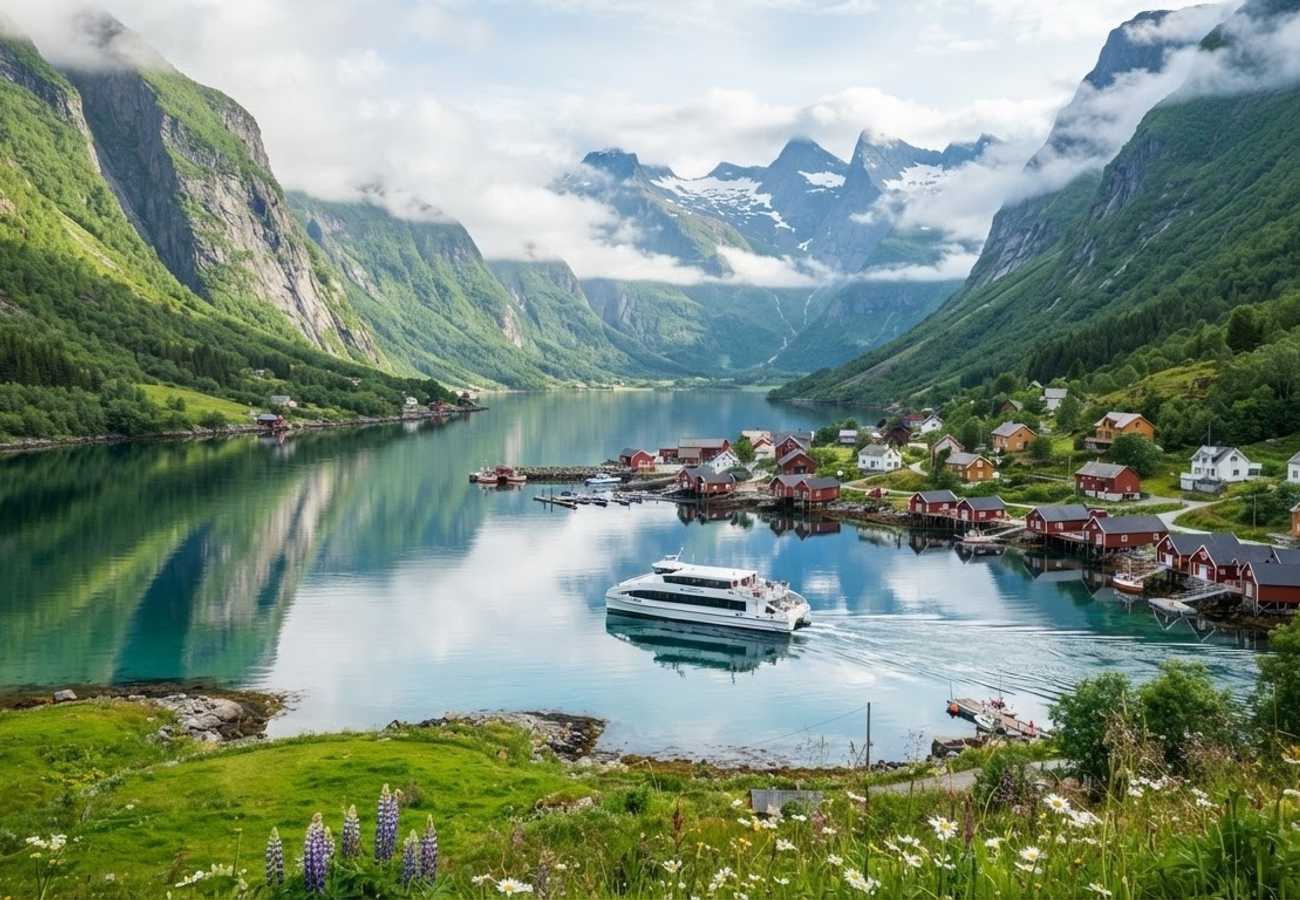
Image generated by AI
The era of the Mediterranean summer monopoly is ending as extreme thermal events redefine the European holiday. Travelers are now prioritizing "climate resilience" over sun-drenched beaches, fueling a massive surge in arrivals to Norway.
The European tourism map is undergoing a structural realignment. For decades, the Mediterranean coast was the undisputed center of summer travel. However, persistent and intensifying heatwaves in Southern Europe have triggered a psychological shift in global traveler behavior, giving rise to the "coolcation"—a strategic pivot toward northern latitudes to avoid sweltering conditions.
Norway has emerged as the primary beneficiary of this trend. Once viewed as a niche destination for adventure seekers and nature enthusiasts, the country is now a mainstream choice for luxury travelers, families, and cultural explorers seeking predictable, milder climates.
The Catalyst: Southern Heatwaves and Travel Risk
The shift is a pragmatic response to environmental volatility. In recent years, Southern Europe has frequently seen temperatures exceed 40 degrees Celsius during July and August. These events have moved beyond mere discomfort, resulting in:
- Public Health Risks: Widespread heat warnings and health emergencies.
- Infrastructural Strain: Water rationing and the closure of major archaeological sites.
- Safety Hazards: Devastating wildfires forcing mass evacuations of popular resorts.
For many, the traditional summer retreat has become a high-stress ordeal. Consequently, travel risk assessments—previously reserved for geopolitical instability—now heavily weigh climate and weather stability. Families with children and elderly travelers are increasingly avoiding non-refundable bookings in heat-prone regions.
Quantifying the Behavioral Shift
This is not merely anecdotal; data confirms a systemic change in how the world plans vacations. According to a spring 2025 survey by the European Travel Commission (ETC), 81% of European respondents reported that climate change has influenced their travel habits.
The impact on destination choice is specific:
- 15% of travelers are now explicitly selecting destinations based on milder temperatures.
- 14% of travelers are actively avoiding regions known for extreme weather.
The OECD’s 2026 tourism report officially recognizes this as a structural alteration in the geography and timing of global tourism. Many are now shifting Mediterranean visits to the "shoulder seasons" of spring and autumn, leaving the peak summer months for the Nordic region.
Oslo: The Sustainable Urban Gateway
Oslo has transitioned from a transit hub for the fjords into a primary destination. The city serves as a blueprint for green urban tourism, offering a cosmopolitan experience that prioritizes human comfort and environmental stability.
The city's appeal is rooted in its sustainable infrastructure, including:
- Emission-Free Transit: A comprehensive network of electric public transport and silent ferries navigating the Oslofjord.
- Pedestrian-Centric Design: Extensive car-free zones and lush public parks that mitigate urban heat.
- Cultural Infrastructure: The Bjørvika waterfront district, featuring the Oslo Opera House and the Munch Museum, provides world-class indoor cultural experiences.
Redefining Luxury as Environmental Comfort
The modern traveler is redefining "relaxation." The traditional image of lounging on a beach under intense sun is being replaced by active exploration in breathable environments.
In Norway, luxury is now defined by the ability to hike through national parks, kayak in serene waters, or explore urban waterfronts without the threat of heat exhaustion. This evolution in consumer psychology favors Norway's vast coastline and sophisticated cities, where the environment supports physical well-being rather than challenging it.
Climate Impact on Travel Preferences 2025-2026
| Metric | Statistic/Finding | Source |
|---|---|---|
| Europeans influenced by climate change | 81% | European Travel Commission (2025) |
| Travelers choosing milder destinations | 15% | European Travel Commission (2025) |
| Travelers avoiding extreme weather zones | 14% | European Travel Commission (2025) |
| Southern Europe Peak Temperatures | Exceeding 40°C | Industry Observations |
| Trend Classification | Structural Geography Shift | OECD (2026) |
Key Takeaways
- The "Coolcation" Trend: A permanent shift in traveler psychology prioritizing milder climates over traditional sun-and-sand destinations.
- Risk Mitigation: Climate stability is now a primary factor in travel risk assessments, especially for vulnerable demographics.
- Economic Pivot: Norway is seeing a surge in mainstream tourism, moving beyond its niche "nature" branding to attract luxury and urban travelers.
- Urban Resilience: Oslo's investment in electric transit and green architecture makes it a prime alternative to overheating Southern European cities.
FAQ
What is a "coolcation"? A coolcation is a vacation specifically chosen for its cool or mild climate, typically in northern regions, to avoid the extreme heatwaves occurring in traditional summer destinations.
Why is Norway becoming more popular than the Mediterranean in summer? Travelers are seeking refuge from temperatures exceeding 40°C, wildfires, and infrastructure strain in Southern Europe, opting instead for Norway's predictable weather and sustainable infrastructure.
Is this a temporary trend? According to the OECD 2026 report, this is viewed as a structural alteration in global tourism geography, suggesting a long-term change in how and where people vacation.
As the planet warms, the map of luxury travel is moving north.
Related Travel Guides
Disclaimer
This article is for informational and educational purposes only. It does not constitute legal, financial, or professional advice. While we strive to provide accurate and up-to-date information, travel policies, regulations, and conditions change rapidly. Always verify information with official sources before making travel decisions. Nomad Lawyer makes no representations about the accuracy, reliability, completeness, or suitability of the information provided. Readers should consult qualified professionals for advice specific to their circumstances. The views expressed in this article are those of the author and do not necessarily reflect the views of Nomad Lawyer.
Preeti Gunjan
Contributor & Community Manager
A passionate traveller and community builder. Preeti helps grow the Nomad Lawyer community, fostering engagement and bringing the reader experience to life.
Learn more about our team →