
Norway Tourism Guide 2026: Majestic Fjords, Viking Heritage, and Arctic Adventure
Discover the ultimate 2026 Norway travel guide, featuring UNESCO-listed fjords, the Viking legacy of Oslo, scenic rail journeys, and Arctic expeditions to the Lofoten Islands and Svalbard.

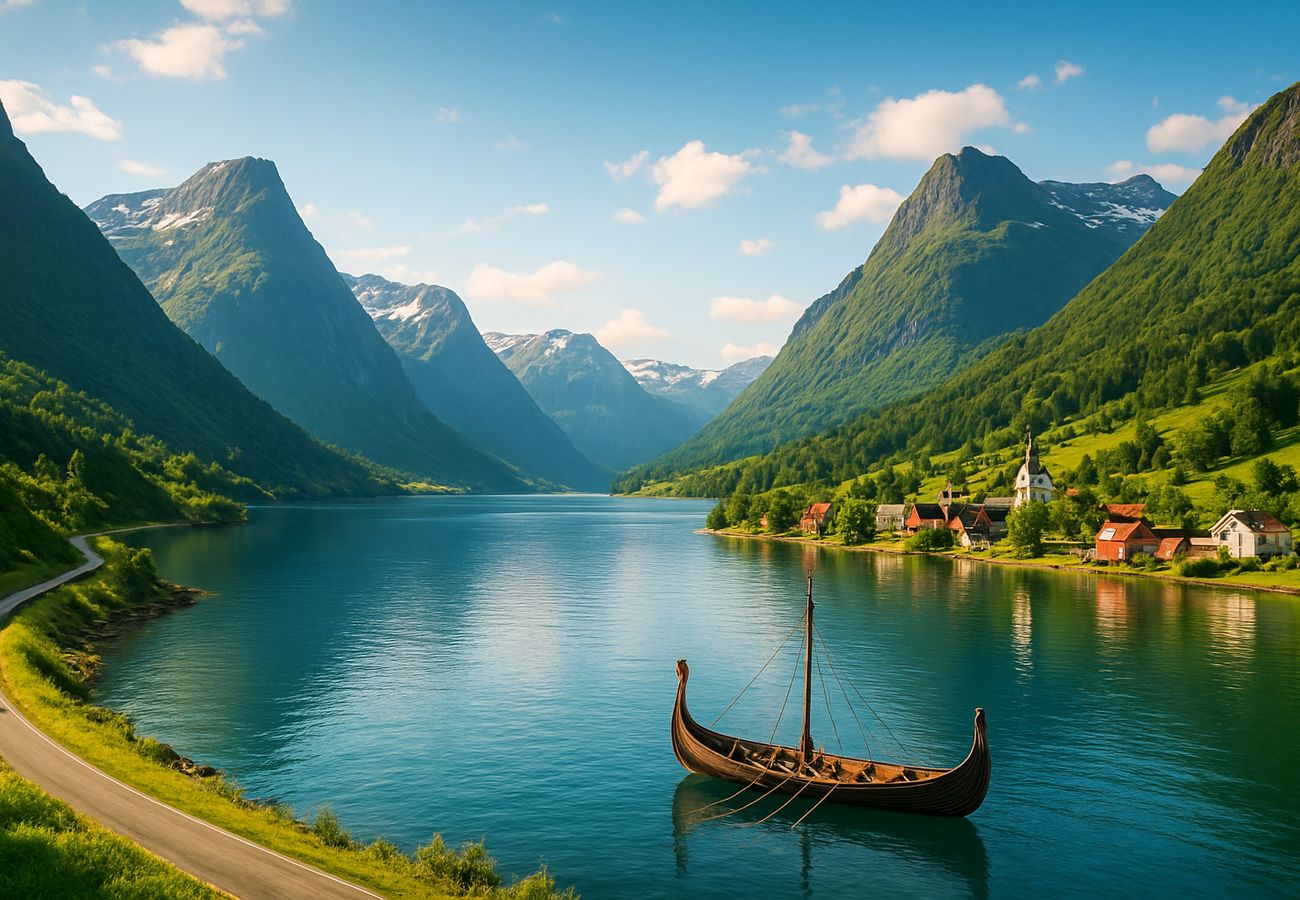
Image generated by AI
Quick Summary
- UNESCO Landscapes: Norway is home to world-renowned fjords like Geirangerfjord and Nærøyfjord, celebrated for their geological significance and natural beauty.
- Viking Heritage: The capital city, Oslo, serves as a cultural hub with well-preserved artifacts at the Viking Ship Museum and works of Edvard Munch.
- Arctic Exploration: The Lofoten Islands and Svalbard offer premier opportunities for viewing the Northern Lights (winter) and the Midnight Sun (summer).
- Scenic Logistics: The Vy (Norwegian State Railways) Oslo-to-Bergen route is consistently ranked as one of the world's most scenic train journeys.
- Adventure Hubs: Jotunheimen National Park features over 250 peaks, including Galdhøpiggen, the highest mountain in Northern Europe.
- Maritime Transit: The Hurtigruten (Coastal Express) provides a vital and luxury sea link between coastal towns and deep fjord inlets.
Norway, a Scandinavian powerhouse of natural drama and modern design, continues to captivate global travelers in 2026. From the high-altitude peaks of Jotunheimen to the colorful Hanseatic wharf of Bergen, the country offers a seamless integration of rugged wilderness and sophisticated urban infrastructure. Known for its commitment to sustainability and "Friluftsliv" (open-air living), Norway provides a diverse itinerary for every type of explorer. Whether you are navigating the historic tunnels of the scenic rail network, witnessing the aurora borealis from a remote Svalbard glacier, or immersing yourself in the Viking past of the capital, Norway stands as a testament to the enduring power of nature and cultural resilience. With a culinary scene that bridges traditional fermented rakfisk with world-class fresh salmon, and a transport system that makes even the most remote fjord accessible, Norway remains a top-tier 2026 destination for those seeking an unforgettable blend of history, adventure, and serenity.
Norway Tourism 2026: Top Destinations, Cultural Icons, and Travel Logistics
The following table summarizes the essential landmarks, transport hubs, and seasonal highlights for the 2026 travel season.
| Category | Top Landmark / Service | Unique Feature / Experience |
|---|---|---|
| UNESCO Fjord | Geirangerfjord | Dramatic waterfalls & steep limestone cliffs |
| Cultural Hub | Viking Ship Museum (Oslo) | Well-preserved 9th-century Norse vessels |
| Highest Peak | Galdhøpiggen | 2,469 meters; located in Jotunheimen NP |
| Scenic Rail | Vy Oslo-Bergen Line | High-mountain passes & glacier views |
| Coastal Sea Link | Hurtigruten Express | "World’s Most Beautiful Voyage" |
| Arctic Paradise | Lofoten Islands | Red fishing cabins & midnight sun |
| Medieval Icon | Nidaros Cathedral (Trondheim) | Gothic architecture; northernmost cathedral |
| Traditional Dish | Rakfisk & Klippfisk | Fermented trout & dried salted cod |
Natural Masterpieces: Cruising the UNESCO World Heritage Fjords
Norway’s fjords are the defining feature of its geological identity:
- Geirangerfjord and Nærøyfjord: These deep-water inlets are surrounded by lush greenery and towering mountains, accessible via luxury cruise or local ferry.
- Waterfalls: The "Seven Sisters" and "The Suitor" are among the most famous cascades visible during a fjord transit.
- Kayak Exploration: For a closer connection, many travelers opt for guided sea kayaking tours through the calmer branches of the Sognefjord.
Arctic Frontiers: Northern Lights and Glaciers in Lofoten and Svalbard
The northern regions of Norway offer a window into the polar world:
- Aurora Borealis: From December to February, the clear skies above the Arctic Circle become a canvas for the Northern Lights.
- Svalbard Wildlife: Expeditions into the Svalbard archipelago provide rare opportunities to see polar bears, walruses, and massive glaciers.
- Midnight Sun: During the summer months, regions above the Arctic Circle experience 24 hours of daylight, allowing for unconventional midnight hikes.
Adventure Hubs: Hiking Jotunheimen and the Highest Peaks of Northern Europe
The interior of the country is a paradise for mountaineers and hikers:
- Jotunheimen National Park: Home to the largest concentration of mountains higher than 2,000 meters in Northern Europe.
- Galdhøpiggen: While the highest peak, it is accessible to fit hikers, offering views that stretch across the jagged "Home of the Giants."
- Trolltunga: The "Troll's Tongue" remains one of the country's most photographed rock formations, requiring a demanding full-day trek.
Cultural Legacy: From the Viking Ship Museum to Munch’s Masterpieces
Oslo serves as the sophisticated center of Norwegian history and art:
- Viking Age: The Viking Ship Museum houses the Oseberg and Gokstad ships, providing unparalleled insight into Norse naval engineering.
- Edvard Munch: The Munch Museum celebrates the legacy of the expressionist master, housing multiple versions of his iconic work, The Scream.
- Vigeland Park: A sprawling outdoor gallery featuring over 200 bronze and granite sculptures by Gustav Vigeland.
Transport Strategy: Navigating Norway via the Vy Rail and Hurtigruten
Norway’s infrastructure is designed for scenic efficiency:
- The Vy Rail Network: The journey between Oslo and Bergen is a 7-hour masterclass in landscape transitions, from urban centers to high-altitude plateaus.
- Hurtigruten Coastal Express: Not just a ferry, but a cultural institution that has connected coastal Norway for over 130 years.
- Tunnel Engineering: Norway features some of the world's longest road tunnels, including the 24.5 km Lærdal Tunnel, facilitating easy car travel through mountain ranges.
Culinary Traditions: A Taste of Rakfisk, Salted Cod, and World-Renowned Salmon
Norwegian food reflects the country’s rugged coastline and farming traditions:
- Seafood Dominance: Fresh and smoked salmon are the country’s most famous exports, often enjoyed in simple, high-quality preparations.
- Hearty Staples: Traditional dishes like "Klippfisk" (dried salted cod) and "Krumkake" (sweet waffle cookies) remain central to local celebrations.
- Sustainable Foraging: Modern Norwegian cuisine increasingly emphasizes foraged berries, mushrooms, and game like reindeer and elk.
Best Time to Visit: Seasonal Guide for Sun, Snow, and Autumn Foliage
Choosing the right season is essential for your planned activities:
- Summer (June–August): Best for hiking Jotunheimen and cruising the fjords under the midnight sun.
- Winter (December–February): The premier window for skiing in Trysil or catching the aurora in the north.
- Autumn (September–November): Offers a peaceful atmosphere with stunning orange and gold foliage across the valleys.
Conclusion: A Unified Blend of History and Modernity
Ultimately, Norway in 2026 provides a perfect balance for the modern traveler. By preserving its ancient Viking roots and UNESCO-listed landscapes while investing in futuristic, sustainable transport, the country offers an experience that is both raw and refined. Whether you are standing on the edge of a dramatic fjord, exploring the world-class galleries of Oslo, or trekking through the Arctic wilderness, Norway delivers a profound sense of scale and beauty that remains unmatched in the northern hemisphere.
FAQ: Norway Tourism & Travel 2026
What is the best way to see the Norwegian fjords? The most popular way is via a cruise departing from Bergen or Hellesylt, or by taking the Flåm Railway, which descends 864 meters down to the Aurlandsfjord.
Is Norway expensive for travelers? Norway has a higher cost of living than many European nations; however, using public transit (Vy Rail) and staying in "Hytter" (cabins) can make it more accessible for budget-conscious travelers.
When can I see the Northern Lights? The best time is between late September and late March, particularly in regions like Tromsø, Alta, and the Lofoten Islands.
Related Travel Guides
Disclaimer
This article is for informational and educational purposes only. It does not constitute legal, financial, or professional advice. While we strive to provide accurate and up-to-date information, travel policies, regulations, and conditions change rapidly. Always verify information with official sources before making travel decisions. Nomad Lawyer makes no representations about the accuracy, reliability, completeness, or suitability of the information provided. Readers should consult qualified professionals for advice specific to their circumstances. The views expressed in this article are those of the author and do not necessarily reflect the views of Nomad Lawyer.
Kunal K Choudhary
Co-Founder & Contributor
A passionate traveller and tech enthusiast. Kunal contributes to the vision and growth of Nomad Lawyer, bringing fresh perspectives and driving the community forward.
Learn more about our team →