
Norway Arctic Tourism Surge 2026: Optimal Windows and Logistics for Northern Lights Expeditions
Analysis of Northern Norway's 2026 tourism surge driven by Aurora Borealis sightings, detailing optimal viewing windows, geomagnetic triggers, and passenger logistics for Arctic travel.

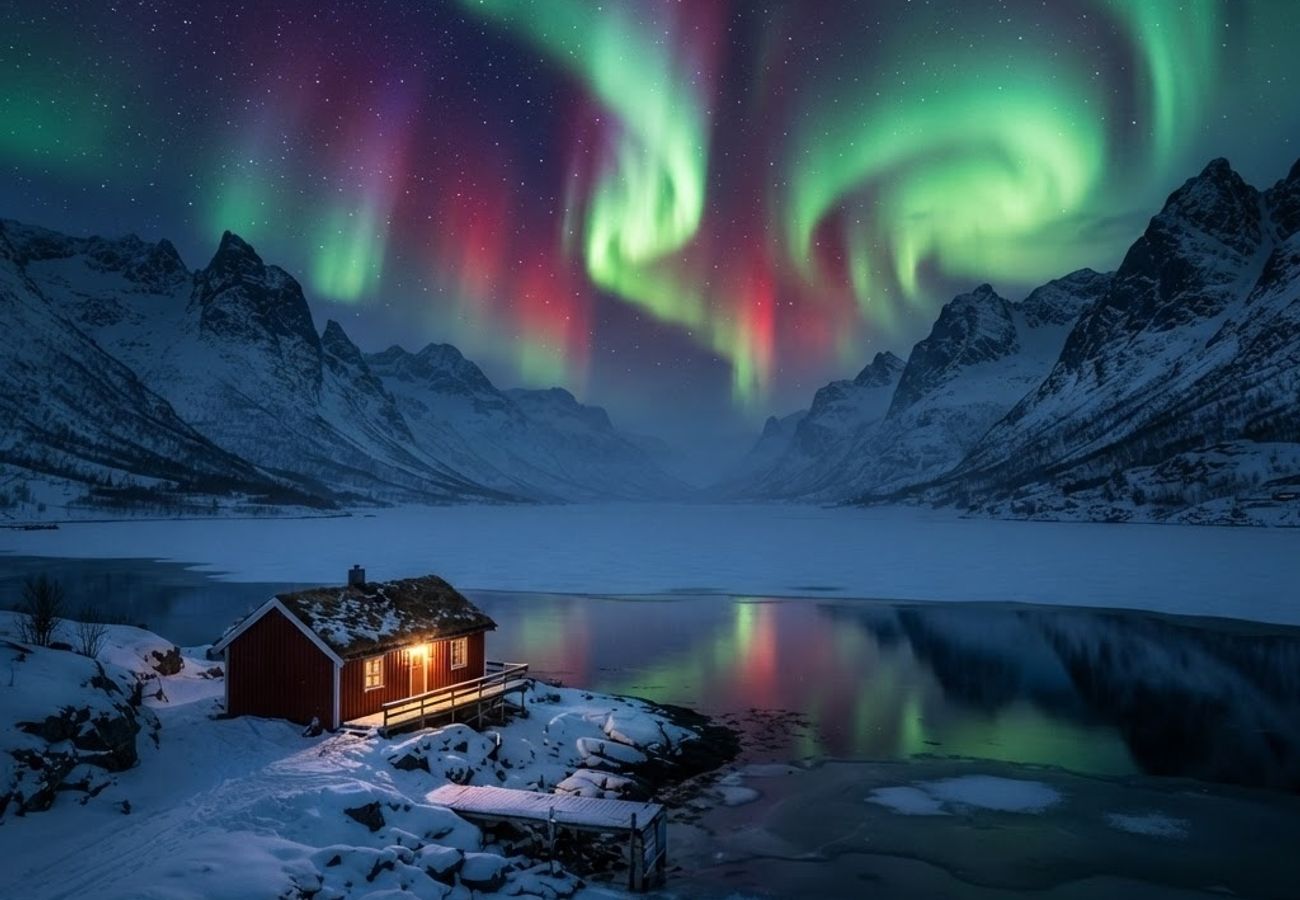
Image generated by AI
Northern Norway is experiencing a significant surge in international arrivals as travelers prioritize high-latitude expeditions. Our analysis indicates a strategic shift in global tourism patterns, moving away from traditional tropical retreats toward the Arctic Circle for celestial sightings.
Arctic Sightings: Strategic Timing and Geography
Geographic positioning is the primary determinant for successful Aurora Borealis sightings. Northern Norway, situated deep within the Arctic Circle and directly beneath the active Auroral Oval, provides the highest statistical probability for sightings during the winter months.
The operational window for these sightings spans from late September through early April. Peak activity is concentrated between 5:00 PM and 2:00 AM. Flight tracking and meteorological data suggest that the autumnal and vernal equinoxes in late September and March are the most productive periods due to the Russell-McPherron effect.
Infrastructure and Aviation Impact
The demand for nocturnal tourism has forced a reconfiguration of regional logistics. Aviation carriers have adjusted flight frequencies to match these high-demand windows, optimizing seat capacity for the equinox alignments.
Key impacts on regional infrastructure include:
- Capacity Shifts: Hotels and transport routes in remote communities at 66°N latitude and higher are maintaining full occupancy far beyond the traditional summer season.
- Local Economy: Expansion of specialized late-night culinary and guiding services to accommodate the "night-sky" demographic.
- Sustainable Development: Increased international capital is being funneled into fragile Arctic ecosystems, necessitating stricter environmental conservation policies.
The Science of the Phenomenon
The visual displays are the result of geomagnetic interactions occurring 150 million kilometers (92 million miles) away from Earth. Solar winds transport electrically charged particles through space; upon reaching Earth, the geomagnetic field channels these gases toward the poles.
When these high-velocity particles collide with oxygen and nitrogen molecules in the upper atmosphere, they trigger the glowing curtains of emerald, violet, and deep crimson observed by travelers.
Passenger Rights & Advisory: Arctic Travel Logistics
For the affected passenger traveling to Northern Norway, the extreme environment and remote nature of the destination introduce specific legal and logistical considerations.
Rebooking and Delay Rights Our analysis of aviation policy suggests that winter weather in the Arctic often leads to "extraordinary circumstances" clauses. Under EU261/2004 (which applies to flights departing from EU/EEA airports), while airlines may not be required to pay cash compensation for weather-related cancellations, they are still mandated to provide:
- Right to Care: Meals, refreshments, and hotel accommodation if the delay exceeds the specified thresholds.
- Re-routing: The most timely alternative flight to the final destination.
Travel Insurance Requirements Given the volatility of Arctic weather, passengers should ensure their policies specifically cover "Trip Interruption" and "Force Majeure." Standard policies may not cover the specific logistical failures associated with remote polar transport.
Equipment and Safety Travelers are advised to secure specialized gear from certified manufacturers. Reliance on standard winter clothing is insufficient for the temperatures encountered at 66°N, where wind chill can compromise safety during nocturnal excursions.
Industry Analyst View
The transition of Northern Norway from a seasonal destination to a year-round economic hub reflects a broader trend in "experiential tourism." The redirection of capital into remote polar communities is elevating property values and global visibility for previously isolated regions.
However, the reliance on solar dynamics means the industry remains tethered to unpredictable natural cycles. The long-term sustainability of this growth depends on the balance between high-volume international arrivals and the preservation of the fragile Arctic environment.
The Arctic sky remains one of the few destinations where the scale of nature fundamentally alters the traveler's perspective.
Related Travel Guides
Disclaimer
This article is for informational and educational purposes only. It does not constitute legal, financial, or professional advice. While we strive to provide accurate and up-to-date information, travel policies, regulations, and conditions change rapidly. Always verify information with official sources before making travel decisions. Nomad Lawyer makes no representations about the accuracy, reliability, completeness, or suitability of the information provided. Readers should consult qualified professionals for advice specific to their circumstances. The views expressed in this article are those of the author and do not necessarily reflect the views of Nomad Lawyer.
Kunal K Choudhary
Co-Founder & Contributor
A passionate traveller and tech enthusiast. Kunal contributes to the vision and growth of Nomad Lawyer, bringing fresh perspectives and driving the community forward.
Learn more about our team →