
North Carolina Beaches: 3 Caribbean Paradise Escapes Beyond the Crowds
Three hidden North Carolina beaches rival Caribbean beauty without tourist hordes or inflated prices. Discover Fort Macon, Fort Fisher, and Ocracoke Island for pristine 2026 summer getaways.

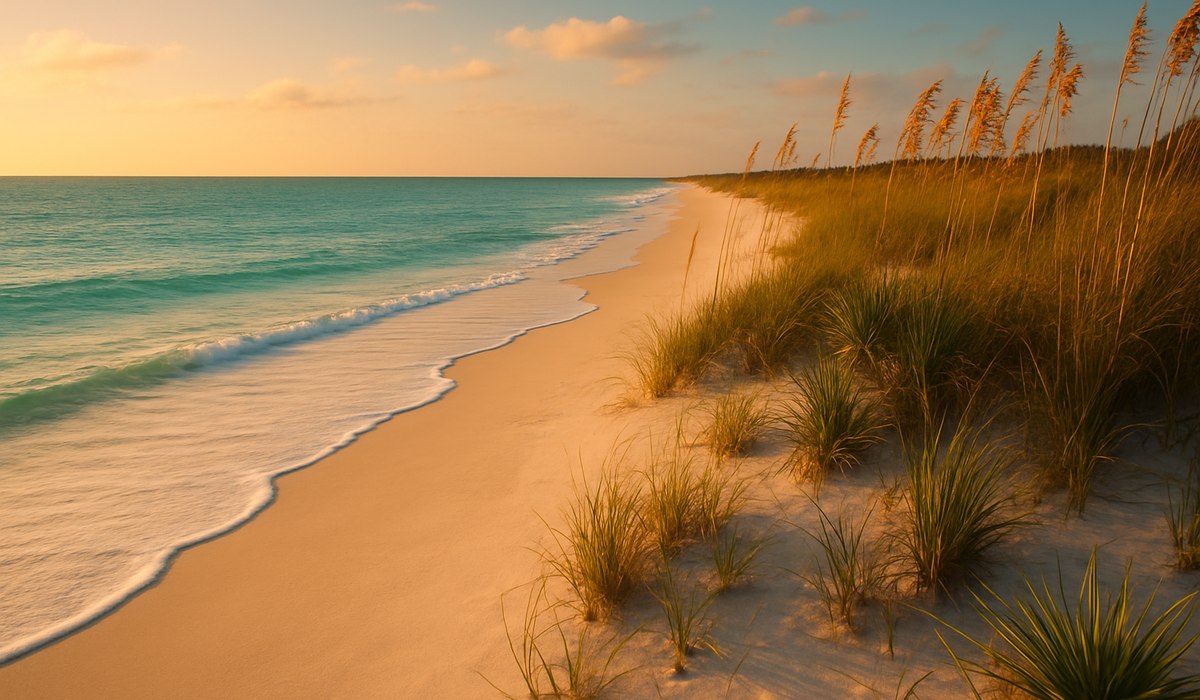
Image generated by AI
Pristine North Carolina Beaches Emerge as Crowd-Free Summer Alternative to Caribbean Travel
Three lesser-known North Carolina beaches are delivering Caribbean-quality coastal experiences without the tourist overflow or premium pricing. Summer travelers seeking turquoise waters, white sand, and serene shorelines can now bypass overcrowded destinations like the Outer Banks and Emerald Isle—and their accompanying congestion and elevated accommodation costs. The state's 300-mile coastline harbors exceptional alternatives that capture tropical vibes in temperate Atlantic conditions.
This shift matters significantly for budget-conscious families and solo travelers planning 2026 summer vacations. Rather than booking expensive Caribbean packages, visitors can drive to these underrated North Carolina beaches, save substantial money on flights and accommodations, and experience comparable natural beauty with manageable crowds.
Fort Macon State Park: Beauty in a Compact Package
Fort Macon State Park stands as North Carolina's smallest state park, yet it punches well above its size with dramatic coastal appeal. Located on Bogue Banks near Atlantic Beach, this gem offers lifeguard-protected swimming areas during peak seasons, making it ideal for families prioritizing water safety.
Beyond swimming, Fort Macon delivers diverse recreational opportunities. Visitors can surf, attempt surf fishing (with valid North Carolina licenses), or explore designated hiking trails winding through maritime forest environments. The park's centerpiece—a restored pre-Civil War fort dating to the 1830s—provides cultural enrichment between beach sessions.
Compared to major North Carolina beaches experiencing summer saturation, Fort Macon maintains genuinely pleasant conditions throughout June through August. The confined geography naturally limits capacity, preserving that coveted Caribbean-like serenity. Day-use parking remains affordable, and the park's amenities span picnic areas, restrooms, and seasonal concessions without excessive commercialization.
Learn more about state park facilities through the North Carolina Parks and Recreation website.
Fort Fisher State Recreation Area: Where Wildlife Meets Seashells
Fort Fisher State Recreation Area represents a rarer coastal offering—a park explicitly welcoming four-wheel-drive beach access. This policy distinction attracts dedicated shell hunters and wildlife enthusiasts seeking exploration beyond typical beachwalking constraints.
The area's positioning near the Cape Fear River inlet creates dynamic tidal patterns that deposit shells and marine specimens, particularly during low tide windows. Beachcombers report finding sand dollars, conch fragments, and intact shells substantially more frequently here than at commercial beaches. The park's location along the Atlantic Flyway migration corridor means birdwatchers encounter seasonal species including shorebirds, warblers, and raptors.
Fishing enthusiasts praise Fort Fisher's prolific surf fishing conditions. The nearshore sandbar configuration and inlet proximity create productive feeding zones for Spanish mackerel, pompano, and drum species. Unlike crowded charter boat destinations, Fort Fisher enables independent anglers to pursue catches from shoreline positions at minimal cost.
The recreation area's underdeveloped infrastructure—sparse concessions, limited facilities—actually preserves its appeal to travelers seeking authentic, unpolished coastal experiences. Summer crowds here remain manageable compared to resort-adjacent beaches.
Ocracoke Island: The Chain-Free Island Escape
Ocracoke Island represents the ultimate North Carolina beaches retreat for those willing to embrace genuine remoteness. Accessible exclusively by passenger ferry or private aircraft, this Outer Banks community deliberately restricts chain restaurants, franchise accommodations, and commercial sprawl. The ferry journey—typically 40 to 60 minutes from Cedar Island or Hatteras—serves as an intentional barrier protecting island character.
The island's economy centers on locally-owned inns, fishing-focused establishments, and family-operated restaurants. This commercial structure means tourism revenues stay within the community rather than enriching distant corporate entities. Visitors immediately notice the absence of traffic congestion, neon signage, and tourist-trap attractions typical of mainland beaches.
Ocracoke's beaches possess genuine Caribbean qualities—calm sound-side waters perfect for kayaking, excellent shell deposits, and shallow sandbars ideal for wading. The island maintains a slow-paced rhythm reflecting its historical occupation by fishing families and maritime workers. Modern amenities exist without dominating the landscape or visitor experience.
Summer 2026 represents an excellent window for Ocracoke visits, as the island operates at comfortable capacity before autumn storms. Book ferry reservations in advance through the North Carolina Ferry System to secure passage.
Best Time to Visit for Clear Waters and Fewer Crowds
Timing dramatically impacts North Carolina beaches experiences. While the state's coastline maintains appeal year-round, summer months (June through September) bring both optimal water temperatures and maximum visitor density.
The ideal visitation window balances water warmth with crowd minimization. Late May and early September offer 75-80 degree water temperatures with substantially fewer families occupying beaches. These shoulder-season months precede and follow peak summer vacation periods when schools close and families prioritize coastal trips.
Hurricane season technically runs June 1 through November 30, with August and September presenting elevated storm development potential. However, direct hits remain statistically uncommon, and weather forecasting enables trip adjustments. Avoiding peak holiday weekends—Memorial Day, Independence Day, and Labor Day—significantly reduces parking and beach congestion even during summer proper.
Visiting North Carolina beaches during shoulder seasons requires accepting cooler water (60-65 degrees in May) but rewards patience with peaceful shorelines and available accommodations at reasonable rates. Families with school-year flexibility gain tremendous advantages by scheduling trips during these quieter periods rather than competing with millions of simultaneous summer travelers.
Seasonal Visitor Data and Beach Conditions Comparison
| Metric | Fort Macon | Fort Fisher | Ocracoke Island |
|---|---|---|---|
| Peak Season Crowds | Moderate | Low | Very Low |
| June-August Water Temp | 73-78°F | 74-79°F | 71-76°F |
| Lifeguard Coverage | Seasonal | None | None |
| Vehicle Beach Access | Standard parking | 4WD permitted | Ferry-access only |
| Avg Summer Day-Use Fee | $7 | $5 | Free (ferry costs apply) |
| Dining Options | Limited | Minimal | Local restaurants |
| Estimated Summer Visitors | 8,000-12,000 daily | 2,000-4,000 daily | 1,500-3,000 daily |
| Best Tide for Beachcombing | Low tide | Low tide | Both tides productive |
What This Means for Travelers
These three North Carolina beaches deliver actionable advantages for 2026 summer planning:
1. Cost Savings: Skip Caribbean flights averaging $800+ per person. Fort Macon day trips cost under $50 total for vehicle and parking; Ocracoke requires ferry passage ($15-17 per adult) but eliminates hotel price premiums found at major resorts.
2. Flexible Timing: Avoid peak summer crowds by visiting late May or early September when schools remain in session. You'll access the same natural beauty with 60-70% fewer beachgoers and calmer water conditions than Caribbean alternatives.
3. Activity Diversity: Beyond swimming, these North Carolina beaches enable surf fishing, shell hunting, hiking, wildlife observation, and historical exploration—eliminating the repetitive resort-activity syndrome.
4. Authentic Experiences: Fort Fisher's 4WD access and Ocracoke's chain-free environment preserve genuine coastal character versus commercialized destination alternatives.
5. Family Appropriateness: Fort Macon's lifeguards and calm water suit families with young children; Ocracoke's slow pace appeals to multi-generational trips seeking relaxation over entertainment complexes.
Frequently Asked Questions
**Can I visit North Carolina
Disclaimer
This article is for informational and educational purposes only. It does not constitute legal, financial, or professional advice. While we strive to provide accurate and up-to-date information, travel policies, regulations, and conditions change rapidly. Always verify information with official sources before making travel decisions. Nomad Lawyer makes no representations about the accuracy, reliability, completeness, or suitability of the information provided. Readers should consult qualified professionals for advice specific to their circumstances. The views expressed in this article are those of the author and do not necessarily reflect the views of Nomad Lawyer.
Preeti Gunjan
Contributor & Community Manager
A passionate traveller and community builder. Preeti helps grow the Nomad Lawyer community, fostering engagement and bringing the reader experience to life.
Learn more about our team →