
North Atlantic Tourism Embraces Wild Weather Stormcation Travel
Destinations like Iceland's Westfjords, Shetland, and the Faroes' Suðuroy reframe dramatic winter weather into resilient travel experiences.
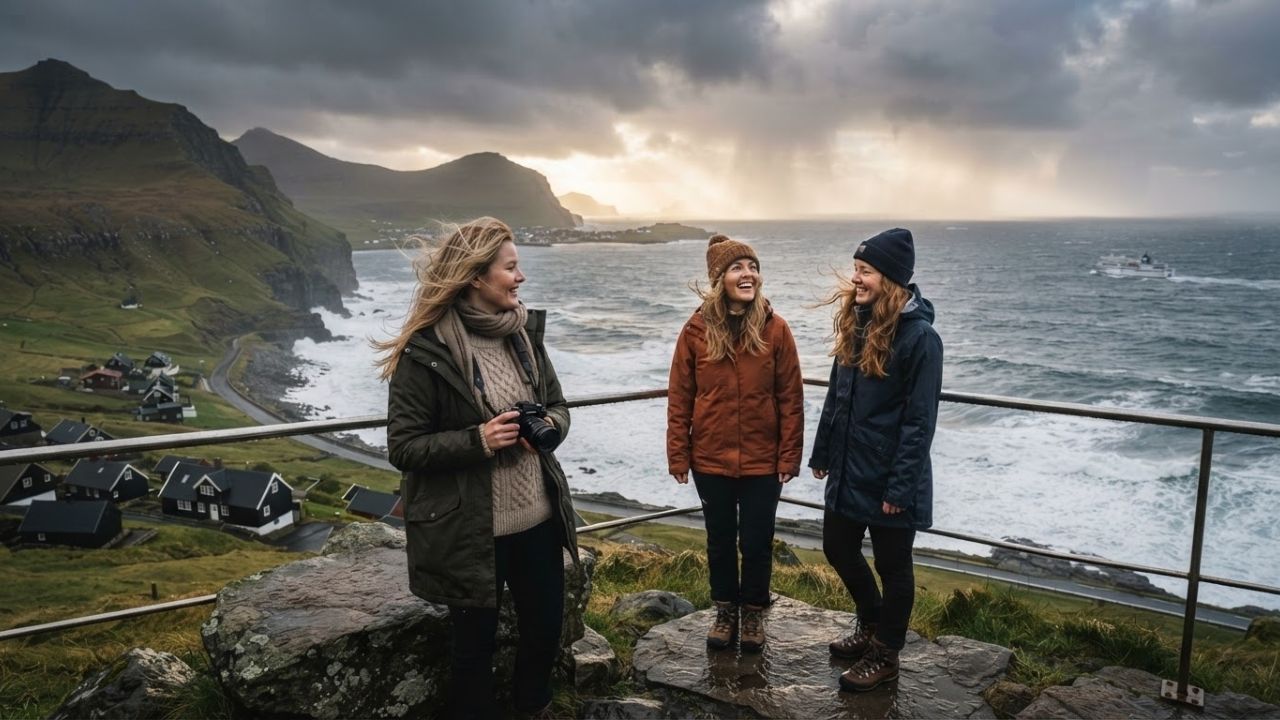
Image generated by AI
North Atlantic destinations are reframing atmospheric volatility into a tourism asset, promoting weather-resilient winter travel in Iceland, Shetland, and the Faroe Islands.
The Core Transit Update
Maritime passenger networks and remote air transport links in the North Atlantic are adapting to a new seasonal travel segment. Rather than treating atmospheric volatility as travel friction, destinations in Iceland, Shetland, and the Faroe Islands are framing winter weather as a tourism asset.
This "stormcation" trend emphasizes weather-resilient itineraries experienced from safe viewing shelters. The approach requires rigorous transit management, especially following a SafeTravel landslide warning issued for Iceland's Strandir and Northern Westfjords on August 8, 2026.
Stormcation Destinations & Tourism Specifications
Coordinating travel to remote sub-Arctic archipelagos requires matching transit access modes with seasonal wind and sea parameters. The following tables outline regional destination profiles and tourism indices.
| Destination & Regional Gateways | Primary Access Transit Mode | Weather Constraints & Safety Warnings | Operational / Booking Takeaway |
|---|---|---|---|
| Hólmavík & Strandir (Westfjords, Iceland) | Road transport from Reykjavík | SafeTravel landslide warning (August 8, 2026) | Focus on small-group guided winter itineraries |
| Suðuroy (Faroe Islands) | Smyril ferry from Tórshavn (2 hours, 2-3 daily) | Severe wind ferry delays & vehicle tipping hazards | Multi-day structured harbor view packages |
| Foula & Lerwick (Shetland, Scotland) | Ferry (120 mins) / Tingwall Airport flights | Wind & sea swell travel cancellations | Buffer nights mandatory; avoid tight connections |
North Atlantic weather-resilient travel locations and access structures.
| Measured Metric / Indicator | Value Registered | Year-on-Year Performance Variance (%) | Primary Tracking Source |
|---|---|---|---|
| Iceland Hotel Overnight Stays | ~532,000 stays (June 2026) | -0.4% (IT) / -1.6% (Westfjords) | Statistics Iceland Database |
| Shetland Annual Visitor Count | 89,000 visits (2024 survey) | N/A | Shetland Visitor Survey |
| Shetland Annual Visitor Spend | £50.3 million (2024 survey) | N/A | Shetland Visitor Survey |
| Scotland Islands Tourism Support | £3.7 million (Jul 2024 - Jun 2025) | N/A | Scotland National Islands Plan |
| Rural Tourism Infrastructure Fund | £8.0 million (48 projects since 2018) | N/A | Scotland Rural Tourism Fund |
North Atlantic tourism performance and public funding metrics.
Traveler Logistics Guide
From a ground-level perspective, the best way to navigate this is to build three-day buffer windows into your return schedules if visiting outlying islands like Foula, as severe sea swells and low cloud cover frequently delay ferry and air connections for days at a time. Checking local transit updates is recommended.
To coordinate your weather-resilient itinerary:
- Faroe Islands Ferries: The M/F Smyril links Tórshavn and Tvøroyri on Suðuroy in two hours, operating two to three daily trips. Secure vehicle space in advance, as high winds can restrict onboard loading.
- Shetland Connection Hubs: Flights to Foula depart from Tingwall Airport, which connects to the Viking Bus Station in Lerwick via a Dial-A-Ride shuttle service.
- Landslide Protocol (Iceland): Follow SafeTravel warnings. Avoid canyons and steep slopes along the Westfjords' Strandir highway corridor during high rain periods.
- Faroese Data Gap: Note that Statistics Faroe Islands monthly hotel databases (covering through May 2026) exclude Suðuroy hotels. Coordinate lodging availability directly with guesthouse operators.
Infrastructure Impact Assessment
The viability of weather-resilient tourism depends on structural funding. Under the Scotland National Islands Plan (which allocated £3.7 million between July 2024 and June 2025), infrastructure projects protect public transport corridors.
In Iceland, promoting small-group tours through local operators prevents high-volume coach traffic on single-lane gravel roads during storms, ensuring that Westfjords' municipal links remain open and safe for residents and visitors alike.
Related Travel Guides
Angkor Welcomes 5750 Chinese Visitors in July 2026
Shravani Mela 2026 Deoghar Travel Tips and Logistics Guide
10 Best Travel Tips for the Icelandic Westfjords, According to Reddit
Disclaimer
This article is for informational and educational purposes only. It does not constitute legal, financial, or professional advice. While we strive to provide accurate and up-to-date information, travel policies, regulations, and conditions change rapidly. Always verify information with official sources before making travel decisions. Nomad Lawyer makes no representations about the accuracy, reliability, completeness, or suitability of the information provided. Readers should consult qualified professionals for advice specific to their circumstances. The views expressed in this article are those of the author and do not necessarily reflect the views of Nomad Lawyer.