
Night Tourism Surge in Utah Arizona and Colorado: US Dark Sky Destinations Grow in 2026
Travelers are increasingly flocking to Utah, Arizona, and Colorado as night tourism becomes a primary driver for US travel, shifting focus to protected dark skies and astronomy.

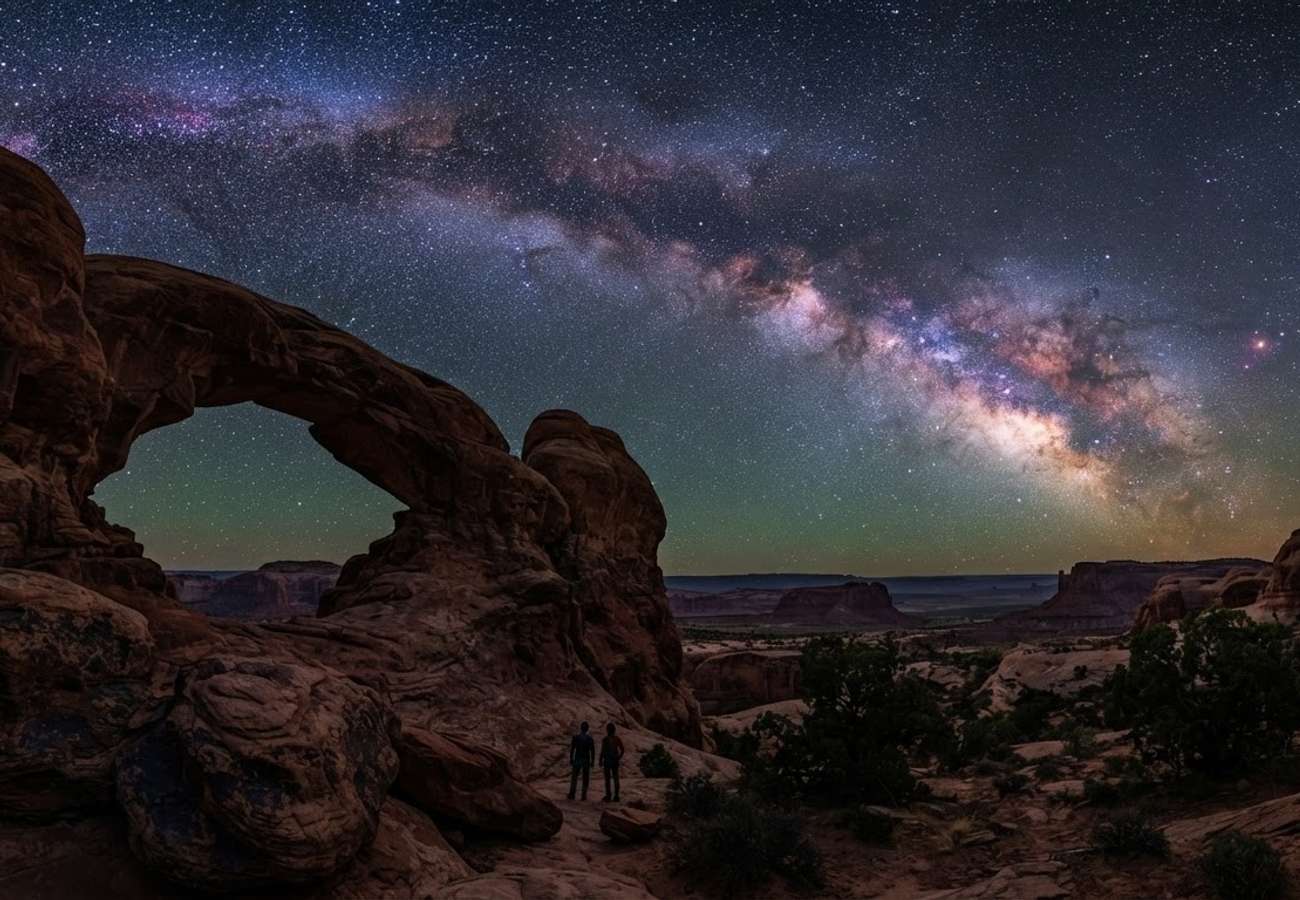
Image generated by AI
A significant shift in American travel patterns is emerging as visitors increasingly prioritize experiences that begin after sunset, specifically within the dark-sky preserves of Utah, Arizona, and other western states. This movement toward "night tourism" is transforming how travelers interact with national parks and remote landscapes, moving beyond traditional daytime sightseeing to embrace astronomy and nocturnal exploration.
The transition toward after-dark travel is not merely a trend but a strategic pivot for regional tourism boards. By promoting protected dark skies and immersive celestial experiences, destinations are diversifying their portfolios and attracting a global demographic of astronomy enthusiasts and wellness seekers.
Environmental and Technological Drivers of After-Dark Travel
Several intersecting factors are accelerating the demand for night tourism across the United States. A primary driver is the intensifying summer heat experienced in the Southwest. As daytime temperatures reach extremes, travelers are shifting their outdoor activities to the evening hours to ensure comfort and safety, effectively extending the usable hours of a typical vacation.
Technological advancements have further catalyzed this growth. The ubiquity of high-resolution smartphone cameras and specialized astrophotography equipment allows travelers to capture the Milky Way and meteor showers with professional clarity. These images, when shared on social media, create a powerful visual incentive for other travelers to seek out "true dark" locations, turning celestial viewing into a high-value digital commodity.
From a logistical standpoint, night tourism serves as a critical tool for sustainability. By distributing visitor traffic across a 24-hour cycle, park authorities can mitigate the overcrowding typically seen at major landmarks during peak daylight hours. This redistribution reduces the environmental strain on sensitive ecosystems and improves the overall quality of the visitor experience.
Utah Establishes a Blueprint for Dark Sky Preservation
Utah has positioned itself as the national leader in the dark sky movement, leveraging its dramatic topography to create a comprehensive nocturnal economy. The state has successfully transitioned its image from a daytime hiking destination to a premier hub for astronomy.
Key locations driving this success include:
- Bryce Canyon National Park: Renowned for its high altitude and minimal light pollution.
- Capitol Reef: Offering vast, unobstructed views of the galactic center.
- Arches and Canyonlands: Where the red rock vistas provide a stark, beautiful contrast to the star-filled sky.
In these regions, the local economy has adapted rapidly. Hospitality providers now integrate stargazing events into their core offerings, and certified guides lead nocturnal treks that blend scientific education with the indigenous histories and legends of the Native American cultures. This approach proves that the absence of light can be a tangible economic asset.
Arizona Integrates Scientific Research with Tourism
While Utah focuses on the landscape, Arizona has carved a niche by blending high-level science with public adventure. Flagstaff serves as the epicenter of this strategy, holding the distinction of being the world’s first International Dark Sky Community. This designation is the result of rigorous municipal lighting policies designed to minimize glare and preserve the celestial view.
The Lowell Observatory remains a primary draw, offering telescope sessions and educational programming that attract both casual tourists and serious astronomers. This scientific infrastructure encourages longer visitor stays, as travelers often combine observatory visits with explorations of the surrounding wilderness.
The Grand Canyon National Park further amplifies this appeal. Ranger-led astronomy programs allow visitors to experience the canyon's depth under a canopy of stars, creating a sense of scale and wonder that is often lost during the midday rush.
Colorado Elevates Nocturnal Travel to Luxury Status
Colorado is diversifying the night tourism market by introducing a luxury tier to the experience. Rather than focusing solely on rugged camping, the state is seeing a rise in premium lodges and wellness retreats that market "celestial serenity" as a core luxury amenity.
In areas surrounding the Black Canyon of the Gunnison and Great Sand Dunes National Park, high-end accommodations are integrating stargazing decks and professional telescope installations. This shift targets a demographic seeking "slow travel"—visitors who wish to disconnect from urban digital noise and engage in mindful observation of the universe. By pairing astronomical viewing with wellness and high-end hospitality, Colorado is expanding the reach of night tourism to a more affluent, health-conscious audience.
Texas and South Dakota: The New Frontiers of Dark Skies
In the vast expanses of West Texas, the natural environment has become a competitive advantage. Big Bend National Park is now a primary destination for those seeking some of the darkest skies in North America. The region's remoteness, once a deterrent, is now its greatest draw. The McDonald Observatory complements this natural beauty, providing a structured, educational gateway to the stars that benefits nearby small towns through increased overnight stays and dining revenue.
Similarly, South Dakota is experiencing a surge in nocturnal interest centered around Badlands National Park. The park's open horizons make it an ideal location for capturing the Milky Way, attracting professional photographers and amateur astronomers from across the country. This shift is encouraging a transition from "pass-through tourism"—where visitors stop briefly on their way to other landmarks—to "destination tourism," where the night sky itself is the primary reason for the visit.
Why This Matters: The Impact on the Modern Traveler
For the traveler, the rise of night tourism represents a fundamental change in the "vacation itinerary." It transforms the hotel room from a place to sleep into a base for exploration. Logistically, it means that the window for experiencing a destination has doubled.
From a legal and regulatory perspective, this trend puts pressure on local governments to enact "Dark Sky Ordinances." For the resident and the visitor alike, this means a reduction in light pollution, which has documented benefits for human circadian rhythms and local wildlife migration.
Furthermore, this shift creates a new economy for specialized labor. We are seeing the emergence of "astrotourism" guides—professionals who are part educator, part navigator, and part historian. This creates high-value employment in rural areas that previously relied solely on seasonal daytime crowds.
The American West is proving that the most profound discoveries are often made after the lights go out.
Related Travel Guides
Disclaimer
This article is for informational and educational purposes only. It does not constitute legal, financial, or professional advice. While we strive to provide accurate and up-to-date information, travel policies, regulations, and conditions change rapidly. Always verify information with official sources before making travel decisions. Nomad Lawyer makes no representations about the accuracy, reliability, completeness, or suitability of the information provided. Readers should consult qualified professionals for advice specific to their circumstances. The views expressed in this article are those of the author and do not necessarily reflect the views of Nomad Lawyer.
Preeti Gunjan
Contributor & Community Manager
A passionate traveller and community builder. Preeti helps grow the Nomad Lawyer community, fostering engagement and bringing the reader experience to life.
Learn more about our team →