
Nicaragua Diplomatic Alignments and Cultural Tourism: Navigating Heritage, Volcano Trails, and Travel Guide 2026

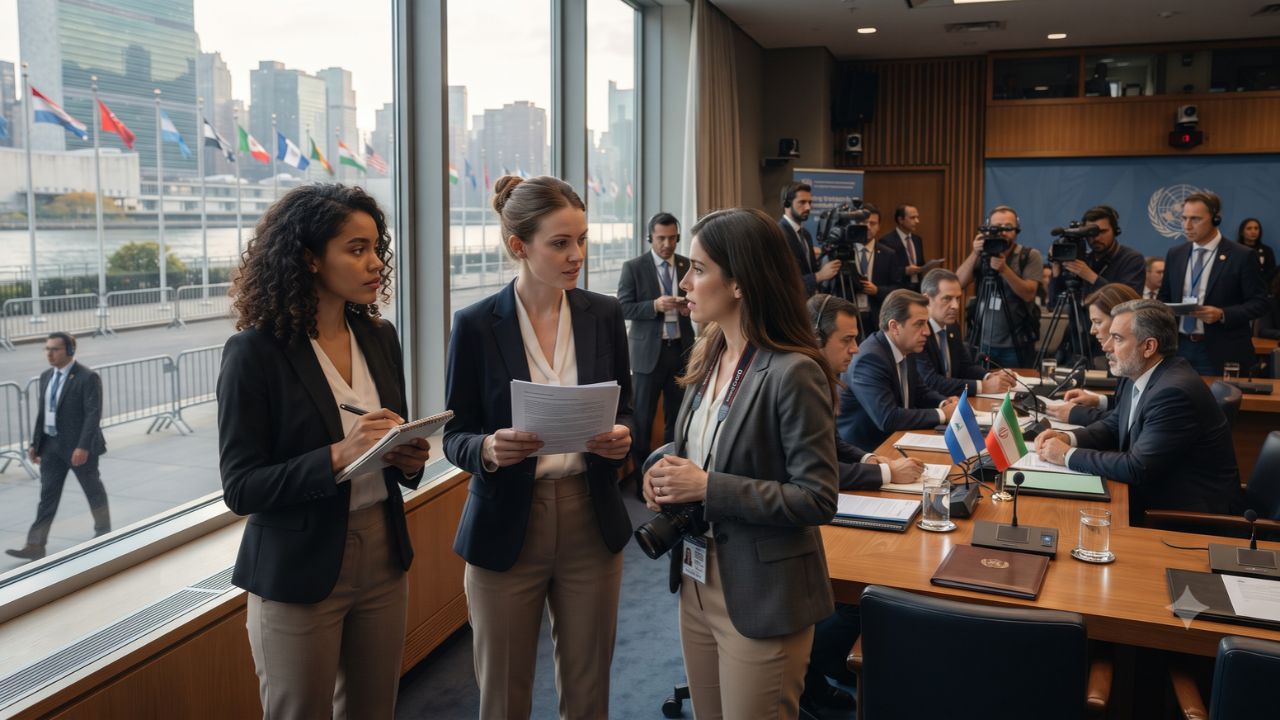
While high-level diplomatic delegations from Nicaragua and Iran convened at the United Nations General Assembly in New York in September 2026 to deepen bilateral economic, technological, and multilateral ties, the Central American nation remains one of the Western Hemisphere’s most compelling, affordable, and geographically dramatic independent travel destinations. Known as the Land of Lakes and Volcanoes, Nicaragua offers travelers untouched Pacific surf breaks, Spanish colonial plazas, and active crater lakes far removed from diplomatic headlines.
High-level international summits often project a complex geopolitical image of Nicaragua on the global stage. During recent bilateral meetings, Nicaraguan representatives affirmed mutual cooperation with Iran on economic development, technology sharing, sovereignty, and opposition to unilateral sanctions amidst Middle Eastern tensions involving the United States and Israel. Yet on the ground, independent backpackers, cultural historians, and eco-tourists encounter a peaceful, welcoming population, rich literary traditions, and pristine ecological reserves that operate with warmth and hospitality.
Geopolitical Alignment and the Independent Traveler Reality
Nicaragua's international posture—grounded in non-alignment and strategic partnerships across non-Western blocs—shapes its foreign relations and economic policy. However, for international travelers arriving at Augusto C. Sandino International Airport (MGU) in Managua, the daily reality is defined by efficient tourist card issuances, dollarized tourism pricing, and well-maintained highway corridors connecting primary heritage destinations.
The nation's dual colonial jewels—Granada on the shores of Lake Nicaragua (Cocibolca) and León in the shadow of the Maribios volcanic chain—stand as living testaments to five centuries of Central American history. While Granada charms visitors with horse-drawn carriages, pastel-hued courtyards, and boat excursions through Las Isletas, León serves as the intellectual and revolutionary heart of the country, where vibrant street murals commemorate the poetry of Rubén Darío alongside historic civil struggles.
At the center of León stands the León Cathedral (Insigne y Real Basílica Catedral de la Asunción de la Bienaventurada Virgen María), a recognized UNESCO World Heritage site. Travelers who remove their shoes and climb to the whitewashed rooftop are treated to panoramic views of tile roofs framed against the smoking cones of Telica and Momotombo volcanoes.
What Makes Nicaragua Uniquely Compelling
Geographically, Nicaragua possesses natural wonders found nowhere else in the Americas. In the middle of Lake Nicaragua rises Isla de Ometepe, an hourglass-shaped island formed by two conjoined volcanoes: active Volcán Concepción and mist-shrouded Volcán Maderas. Here, freshwater waves lap against black sand beaches, while howler monkeys swing through organic coffee and cacao agroforestry cooperatives.
Further north, adventure travelers experience volcano boarding down the black ash slopes of Cerro Negro, the youngest active volcano in Central America. Reaching speeds up to 50 miles per hour on custom wooden toboggans, visitors slide down steep cinder screes before cooling off with fresh pitahaya (dragon fruit) juices in local village markets promoted by the Instituto Nicaragüense de Turismo (INTUR).
On the Pacific coast, the fishing village of San Juan del Sur and neighboring surf beaches like Playa Maderas and Playa Hermosa attract digital nomads and surfers with year-round offshore breezes created by Lake Nicaragua's unique thermal effect. Meanwhile, off the Caribbean coast, Big Corn Island and Little Corn Island offer tranquil Creole cultures, turquoise waters, and lobster gastronomy untouched by mega-resort commercialization.
Visitor Insider Tips for Traveling in Nicaragua
- Carry Crisp, Unmarked US Dollar Bills: US dollars circulate freely alongside the Nicaraguan Córdoba (NIO) at standard conversion rates. However, local banks and merchants will reject dollar bills with tiny tears, folds, or ink marks. Ensure your banknotes are in pristine condition.
- Pre-Fill the Online Immigration Entry Form: Travelers should complete the official Nicaraguan Ministry of Interior (MIGOB) online immigration pre-registration form at least seven days prior to arrival. Upon landing, have $10 USD in cash ready to pay the mandatory tourist card fee at airport immigration counters.
- Base Yourself in Granada for Lake and Island Day Trips: Choose boutique colonial hotels in central Granada near Parque Central. This location allows you to walk to historic bell towers, dine at open-air street cafés along Calle La Calzada, and catch early-morning boat launches into the 365 volcanic islets of Lake Nicaragua.
- Hike Cerro Negro with Certified Community Guides: When arranging volcano boarding in León, book through licensed non-profit community tour operators like Sonati or Tierra Tour. Their proceeds directly fund local environmental education programs and reforestation projects around the volcanic parks.
- Take the Panga Boat to Little Corn Island: If visiting the Caribbean Corn Islands, take the 30-minute open-sea panga boat from Big Corn to Little Corn Island. There are zero motorized vehicles on Little Corn, allowing you to traverse white-sand paths on foot between beachfront dive shops and coconut-bread bakeries.
Cultural and Environmental Context in Nicaragua
Tourism in Nicaragua plays an indispensable role in community-level economic resilience. In rural regions surrounding Ometepe and the northern highlands of Matagalpa and Jinotega, community-based tourism cooperatives empower smallholder farmers, female-led weaving guilds, and fair-trade organic coffee growers.
Simultaneously, environmental conservation remains a national priority across the country's extensive network of protected nature reserves, cloud forests, and turtle-nesting sanctuaries along the Pacific at Refugio de Vida Silvestre La Flor. International visitors who patronize solar-powered eco-lodges and respect local marine habitats directly support indigenous community development and wildlife conservation.
By understanding the distinction between global diplomatic negotiations and local grassroots realities, travelers can explore Nicaragua with cultural depth, discovering an extraordinary Central American sanctuary of living poetry, volcanic power, and human warmth.
FAQ: Visiting Nicaragua 2026
Is Nicaragua safe for independent and solo travelers?
Yes, Nicaragua is widely considered one of the safest countries in Central America for independent travelers, with low rates of violent street crime in major tourist destinations like Granada, León, Ometepe, and San Juan del Sur.
What currency should I use in Nicaragua?
Both Nicaraguan Córdobas (NIO) and pristine US Dollars (USD) are widely accepted across hotels, restaurants, and transport services, with change typically returned in Córdobas.
How do I travel between Managua, Granada, and León?
Modern air-conditioned microbuses and private shuttles run frequently between Managua (UCA terminal), Granada, and León, taking between one and two hours per route for very low fares.
Do I need a visa to enter Nicaragua?
Citizens of the US, Canada, EU, and UK do not require a pre-approved visa and receive a 90-day tourist stay upon paying a $10 USD tourist card fee on arrival.
Beneath the quiet grandeur of smoking volcanoes and colonial spires, Nicaragua invites open-minded travelers to discover the timeless soul of Central America.
Related Travel Guides
Disclaimer
This article is for informational and educational purposes only. It does not constitute legal, financial, or professional advice. While we strive to provide accurate and up-to-date information, travel policies, regulations, and conditions change rapidly. Always verify information with official sources before making travel decisions. Nomad Lawyer makes no representations about the accuracy, reliability, completeness, or suitability of the information provided. Readers should consult qualified professionals for advice specific to their circumstances. The views expressed in this article are those of the author and do not necessarily reflect the views of Nomad Lawyer.
Preeti Gunjan
Contributor & Community Manager
A passionate traveller and community builder. Preeti helps grow the Nomad Lawyer community, fostering engagement and bringing the reader experience to life.
Learn more about our team →