
Beyond the French Quarter: The Insider Cultural and Bayou Guide to Louisiana Travel

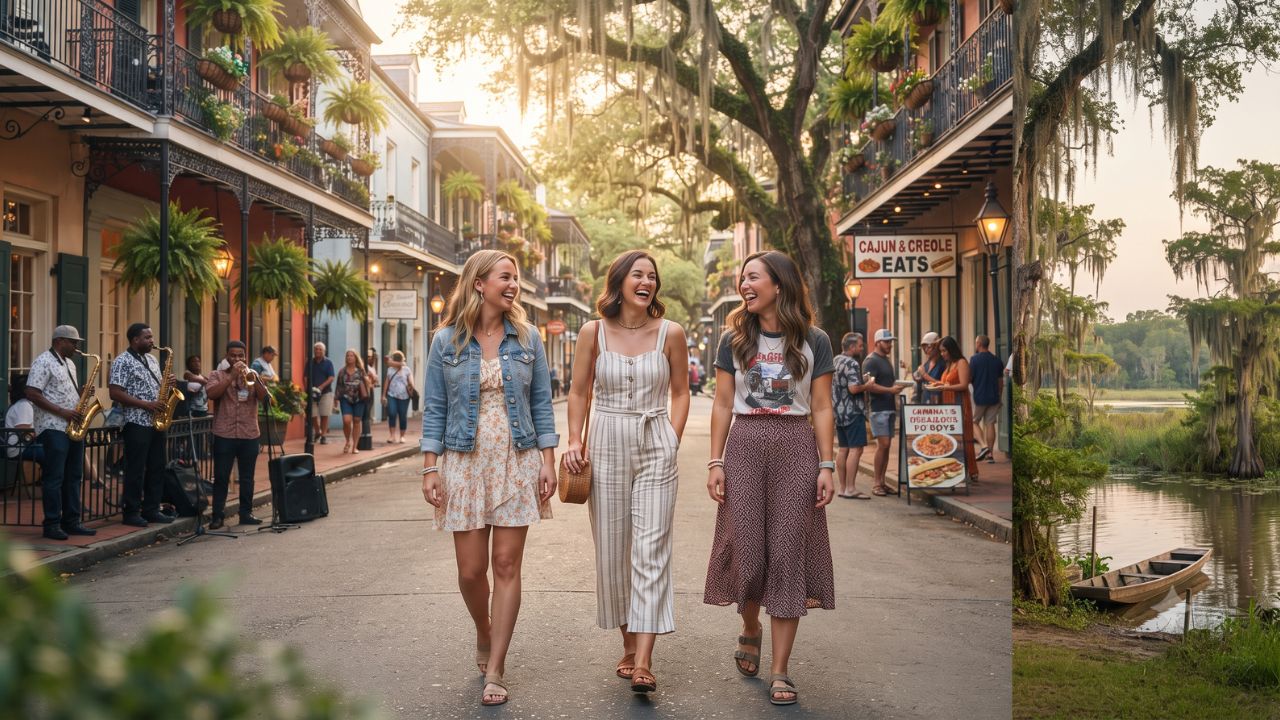
While over seventy percent of visitors to Louisiana never leave the historic core of New Orleans, venturing just ninety minutes west into the bayous of Acadiana reveals an unbroken French-speaking cultural haven where accordion-driven zydeco and multi-generational crawfish traditions thrive in everyday community dancehalls.
As World Tourism Day places global focus on cultural preservation and regenerative travel, Louisiana stands out as one of the most distinctive heritage destinations in North America. Beyond the famous brass bands and ironwork balconies of the French Quarter, the state offers a living cultural mosaic shaped by centuries of Native American, French Canadian Acadian, Spanish, African, and Caribbean interactions. Managed through the Louisiana Department of Culture, Recreation & Tourism, modern travel across the state emphasizes immersive culinary traditions, living musical roots, and vital wetland conservation.
New Orleans: Living Jazz Heritage and Creole Gastronomy
Stepping off flights at Louis Armstrong New Orleans International Airport, travelers enter an urban environment where history is performed live every evening. While standard tourist itineraries focus heavily on the commercial strip of Bourbon Street, the city's true cultural heartbeat pulses through historic neighborhoods like Tremé, the Marigny, and the Bywater.
In these residential quarters, brass band street processions, neighborhood second-line parades, and historic music halls sustain traditions passed down since the 19th century. New Orleans' culinary identity reflects this rich cultural synthesis, blending classic French techniques with West African spices and Spanish influences. Visitors guided by New Orleans Tourism can explore traditional Creole gumbo pots, slow-cooked jambalaya, and fresh Gulf seafood counters that have operated continuously across generations.
Beyond major world-famous festivals like Mardi Gras, the city's historic districts offer intimate access to African American cultural heritage, jazz archives, and architectural preservation societies that protect 18th-century Creole townhouses and Victorian shotgun cottages.
Acadiana and Lafayette: The Heart of Cajun Music and Foodways
West of the Atchafalaya Basin lies Acadiana, an eight-parish region centered around Lafayette that represents the cultural refuge of the Acadians exiled from eastern Canada in the 18th century. In cities like Lafayette, Breaux Bridge, and Eunice, Cajun French is still spoken by elders, and the region's social life revolves around community music sessions and communal cooking.
Cajun culture differs sharply from urban Creole refinement, emphasizing rustic, earth-to-table cooking techniques. Travelers exploring the region through Lafayette Travel can join Saturday morning Cajun jam sessions where fiddles and diatonic accordions lead traditional two-steps in local bakeries and grocery stores. Culinary journeys through Acadiana focus on artisanal pork boudin links, cracklins cooked in iron kettles, smoked andouille sausage, and seasonal communal crawfish boils served on newspaper-lined tables.
This decentralization of food tourism directly sustains rural butcher shops, family-run crawfish farms, and heritage music venues, ensuring that economic benefits flow directly into small prairie and bayou townships.
Coastal Wetlands and River Basin Conservation
Louisiana's natural environment provides the essential physical foundation for its cultural traditions. The vast wetlands surrounding the lower Mississippi River and the Gulf Coast represent one of North America's most vital and fragile ecological systems.
Eco-conscious travelers can navigate cypress swamps draped in Spanish moss via electric flat-bottom boats, kayaks, and elevated boardwalk trails. These wetland corridors shelter American alligators, nesting bald eagles, roseate spoonbills, and migratory waterfowl traveling along the Mississippi Flyway. Experiencing the bayous with certified local naturalists provides travelers a firsthand look at coastal restoration efforts, barrier island rebuilding projects, and traditional wetland stewardship practiced by generations of indigenous and bayou families.
Visitor Insider Tips
Experiencing the cultural depth of Louisiana requires mindful routing, seasonal timing, and respect for neighborhood community traditions.
- Music Etiquette Beyond Frenchmen Street: When attending neighborhood brass band shows or traditional Cajun dancehalls in Lafayette and Eunice, tip musicians generously in the tip bucket, support venue bars by purchasing beverages, and yield floor space to local dancers who have practiced traditional footwork for decades.
- Best Window for Crawfish Season: If food is your primary travel motivation, plan your visit between late February and May when fresh wild-caught and pond-raised Louisiana crawfish are in peak season, yielding the largest, most flavorful boils.
- Car Rental for Bayou Loops: While New Orleans is easily navigated via streetcars, rideshares, and walking, exploring Acadiana and the wetland parks requires a rental car. Drive the scenic Cajun Corridor (Highway 14) to experience rural prairies, sugarcane fields, and bayou crossings.
- Respecting Second-Line Parades: If you encounter a Sunday neighborhood second-line parade in New Orleans, join behind the main procession respectfully, obey community parade marshals, and purchase refreshments from licensed street vendors.
Cultural and Environmental Context
Louisiana's cultural heritage is inextricably linked to its coastal geography. Rising sea levels and coastal erosion threaten both fragile marsh ecosystems and the historic fishing villages that have sustained coastal Cajun, Creole, and Houma communities for centuries.
Regenerative travel initiatives across the state emphasize supporting local oyster farmers, dining at restaurants that source strictly certified Gulf seafood, and visiting cultural heritage museums that reinvest directly in language preservation programs. By engaging with local guides and heritage educators, visitors help preserve endangered vernacular architecture, traditional acoustic music, and indigenous wetland knowledge.
FAQ: Visiting Louisiana 2026
What is the best way to experience authentic Cajun culture? Base yourself in Lafayette and explore surrounding towns like Breaux Bridge and Eunice for weekend acoustic Cajun jams, local boudin trails, and historic dancehall events.
When is Louisiana crawfish season at its peak? Fresh Louisiana crawfish season runs primarily from February through June, with March and April offering the peak size and availability across regional boiling spots.
How far is Lafayette and Acadiana from New Orleans? Lafayette is located approximately 135 miles west of New Orleans, accessible via a two-hour scenic drive across the elevated Atchafalaya Basin Bridge on Interstate 10.
What should I pack for eco-tours in the Louisiana swamps? Pack insect repellent, polarized sunglasses, a brimmed sun hat, lightweight breathable clothing, and water-resistant footwear for boat docks and trail boardwalks.
From the brass harmonies of New Orleans backstreets to the accordion melodies echoing across Acadiana prairies, Louisiana offers a deeply rooted journey into the living soul of American culture.
Related Travel Guides
Disclaimer
This article is for informational and educational purposes only. It does not constitute legal, financial, or professional advice. While we strive to provide accurate and up-to-date information, travel policies, regulations, and conditions change rapidly. Always verify information with official sources before making travel decisions. Nomad Lawyer makes no representations about the accuracy, reliability, completeness, or suitability of the information provided. Readers should consult qualified professionals for advice specific to their circumstances. The views expressed in this article are those of the author and do not necessarily reflect the views of Nomad Lawyer.
Raushan Kumar
Founder & Lead Developer
Full-stack developer with 11+ years of experience and a passionate traveller. Raushan built Nomad Lawyer from the ground up with a vision to create the best travel and law experience on the web.
Learn more about our team →