
New Mexico Travel 2026: The 'Keep it True' Movement and Authentic Southwestern Heritage
The New Mexico Tourism Department launches the 'Keep it True' pledge in 2026, banning generative AI in destination advertising to protect genuine cultural storytelling.

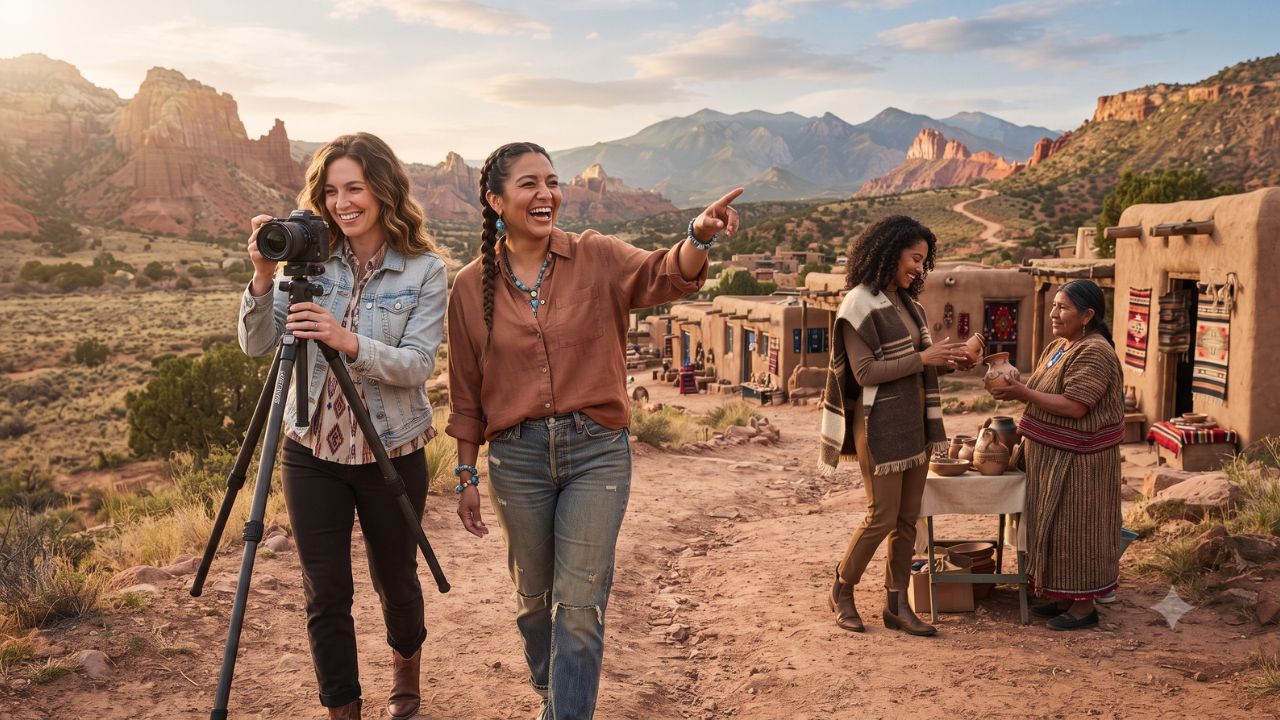
In an era where travel feeds are increasingly saturated with computer-generated imagery, New Mexico has become the first state in the American Southwest to officially ban generative AI from its tourism advertising through the 'Keep it True' pledge. Designed by the New Mexico Tourism Department under its renowned New Mexico True brand, the initiative obligates regional hospitality operators, tourism bureaus, and media agencies to depict solely real locations, genuine local communities, and human-crafted creative storytelling.
Backed by national research from Gallup indicating that a clear majority of travelers express skepticism toward synthetic advertising and prioritize genuine human artistry, New Mexico's pledge aligns with similar truth-in-marketing movements like Tennessee's "Yeah, It's Real" campaign. From the centuries-old multi-story adobe homes of Taos Pueblo to the blinding white gypsum dunes of the Tularosa Basin, the Land of Enchantment is affirming that its extraordinary living cultures cannot be manufactured by artificial algorithms.
Real Destinations Across the Land of Enchantment
The pledge anchors New Mexico's tourism identity in preserved geological marvels, sovereign indigenous nations, and authentic culinary traditions.
| Region & Destination | Cultural & Historic Character | Signature Authentic Experiences | Travel Season & Logistics |
|---|---|---|---|
| Santa Fe Historic Core | Oldest state capital in the US (founded 1610) | Adobe architecture, Canyon Road art walks, Palace of the Governors | Year-round; Rail Runner express train from Albuquerque |
| Taos & Taos Pueblo | UNESCO World Heritage; 1,000+ years of habitation | Red willow adobe architecture, High Road artist studios, Rio Grande Gorge | Best in autumn and winter; respect sovereign tribal photography rules |
| White Sands National Park | World's largest gypsum dunefield (275 sq miles) | Sunset dune sledding, Alkali Flat backcountry trekking | Autumn to spring; check missile range road closure advisories |
| Chaco Culture Historical Park | Ancestral Puebloan monumental architecture | UNESCO Great Houses, dark sky astronomical viewing | Remote gravel access road; high-clearance vehicle advised |
| Albuquerque & Rio Grande | Route 66 heritage & hot air balloon capital | International Balloon Fiesta, Sandia Peak Tramway, Old Town | Peak autumn in October; book lodging 6 to 9 months ahead |
In Northern New Mexico, authentic heritage is exemplified at Taos Pueblo, where Native Tiwa-speaking families have lived continuously along the Rio Pueblo de Taos for over ten centuries without running electricity or piped water inside the central adobe village. Rather than digitally fabricated renders, travelers encounter living history, purchasing traditional cedar-fired fry bread and micaceous pottery directly from family workshops.
In the south, White Sands National Park protects a 275-square-mile sea of pure gypsum crystal dunes that glow brilliant white beneath desert sunsets. Independent travelers can hike the 5-mile Alkali Flat trail over shifting sand ridges or camp beneath pitch-black desert night skies free from urban light pollution.
What Sets New Mexico's Authentic Travel Apart
The distinction of New Mexico lies in its genuine tricultural synthesis—blending ancestral Native American Pueblos, Spanish colonial heritage dating back to the 16th century, and contemporary southwestern arts communities. This cultural depth creates sensory experiences that artificial intelligence simply cannot replicate: the scent of roasting piñon wood on crisp autumn evenings, the smoke of red and green Hatch chiles roasting in iron drums, and the tactile warmth of sun-baked adobe plaster.
Culinary heritage in New Mexico is legally recognized and fiercely protected. The state's official question—"Red or green?"—invites travelers to choose between fiery green chile sauces harvested from the Rio Grande valley or sun-dried red chile purées spooned over blue corn enchiladas and slow-cooked posole.
By prioritizing human photographers, local indigenous guides, and regional writers under the Keep it True commitment, tourism revenues directly support working artists, small family farms, and tribal cultural preservation programs across all 33 counties.
Visitor Insider Tips
- Respect Sovereign Tribal Photography Regulations: When visiting any of New Mexico's 19 sovereign Native American Pueblos, check in at the tribal administrative office, purchase required camera permits, and never photograph tribal members or ceremonial dances without explicit consent.
- Order 'Christmas' to Taste Both Chile Varieties: If you cannot decide between native roasted green chile and slow-simmered red chile sauce, order your dish 'Christmas' to experience both regional flavors side by side.
- Drive the Scenic High Road to Taos: Skip the standard highway between Santa Fe and Taos; take the winding High Road through Chimayó to visit the historic weaving studios of master weavers and the Santuario de Chimayó.
- Stay Hydrated in High-Altitude Desert Conditions: Santa Fe sits at 7,000 feet and Taos reaches over 7,200 feet above sea level; drink twice as much water as usual and apply broad-spectrum mineral sunscreen even during winter months.
- Ride the Rail Runner Express Between Albuquerque and Santa Fe: Avoid highway traffic by utilizing the New Mexico Rail Runner Express commuter train, connecting downtown Albuquerque to the Santa Fe Railyard Arts District in roughly 80 minutes.
Cultural and Environmental Context
New Mexico's high desert environment and sovereign tribal lands require deep cultural awareness and environmental stewardship from visitors. The state's 19 Pueblos, Navajo Nation chapters, and Apache reservations represent living sovereign nations that have maintained their sacred ceremonies, languages, and dry-farming agricultural practices for millennia.
Water conservation represents another pressing ecological priority throughout the arid Rio Grande basin. Travelers can support sustainable destination stewardship by honoring tribal closures during religious feast days, respecting Leave No Trace guidelines in fragile national monuments like Kasha-Katuwe Tent Rocks and Bandelier, and purchasing authentic Native arts bearing official certification stamps to directly support indigenous silversmiths and potters.
FAQ: Visiting New Mexico in 2026
What is New Mexico's 'Keep it True' tourism campaign?
It is an official state pledge by the New Mexico Tourism Department committing tourism organizations to avoid generative AI in advertising, ensuring all marketing showcases real places, real people, and authentic stories.
When is the best time to experience autumn in New Mexico?
Late September through October offers pleasant weather, golden cottonwood foliage along the Rio Grande, and major cultural gatherings like the Albuquerque International Balloon Fiesta.
Do visitors need permits to enter Native American Pueblos?
Most Pueblos welcome respectful visitors during designated public hours; some charge a modest entry fee or require photography permits, while others close during sacred feast days.
What is the easiest way to travel between Albuquerque and Santa Fe?
The New Mexico Rail Runner Express train provides daily, affordable rail transit connecting Albuquerque International Sunport connections to the Santa Fe Railyard.
Related Travel Guides
- Busan Teams Up With Incheon, Daejeon and More as K-culture Destinations Across Korea Beckon Global Travellers
- Navigating Bandaranaike International Airport (CMB) in 2026: Arrival, Transport, and Connectivity Guide
- Cambodia Launches 14-Day Visa Exemption for Chinese Tourists to Compete With Philippines and Thailand in 2026
Disclaimer
This article is for informational and educational purposes only. It does not constitute legal, financial, or professional advice. While we strive to provide accurate and up-to-date information, travel policies, regulations, and conditions change rapidly. Always verify information with official sources before making travel decisions. Nomad Lawyer makes no representations about the accuracy, reliability, completeness, or suitability of the information provided. Readers should consult qualified professionals for advice specific to their circumstances. The views expressed in this article are those of the author and do not necessarily reflect the views of Nomad Lawyer.
Raushan Kumar
Founder & Lead Developer
Full-stack developer with 11+ years of experience and a passionate traveller. Raushan built Nomad Lawyer from the ground up with a vision to create the best travel and law experience on the web.
Learn more about our team →