
New Jersey State Forest Hiking: Hidden Mountain Gem Between Allentown and Albany
New Jersey's pristine state forest between Allentown and Albany emerges as 2026's premier hiking destination. Mountain trails, camping, and water sports await adventurous travelers seeking outdoor escape.

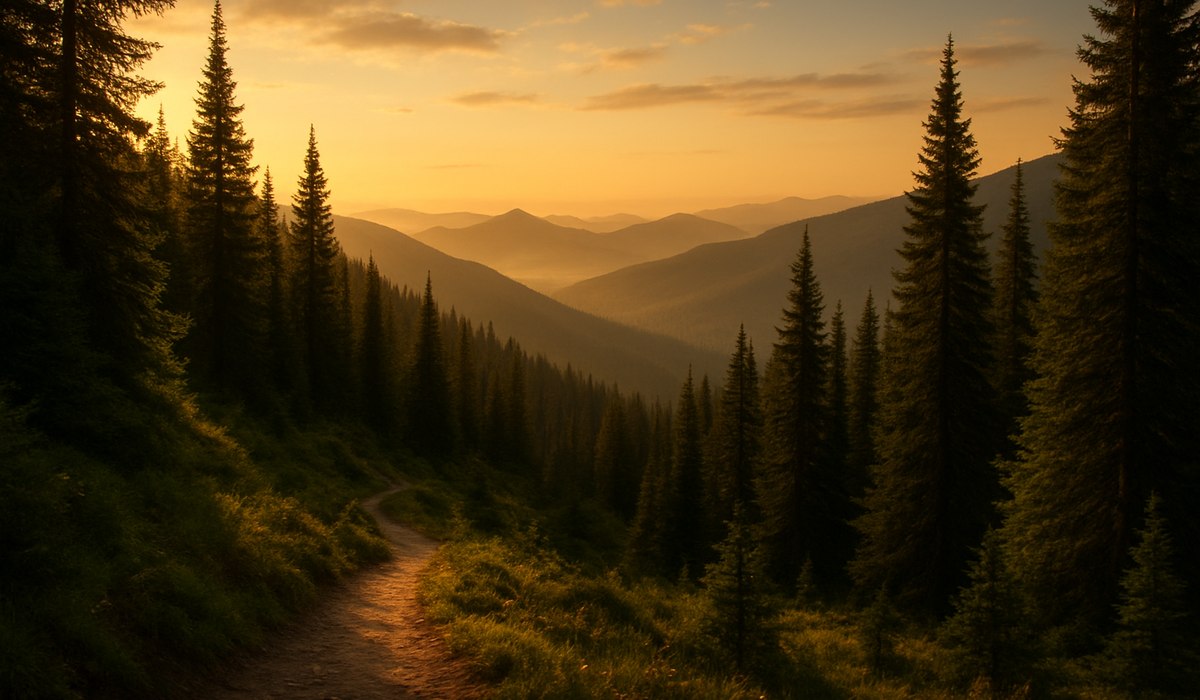
Image generated by AI
New Jersey's Mountain Paradise Gaining Momentum with Outdoor Enthusiasts
New Jersey's overlooked state forest nestled between Allentown and Albany is capturing attention from hikers and outdoor adventurers in 2026. This pristine wilderness corridor offers dramatic mountain vistas, challenging trail systems, and expanded camping facilities that rival more celebrated Northeastern hiking destinations. The forest's growing popularity reflects a broader travel trend toward accessible yet authentic outdoor experiences within driving distance of major East Coast population centers.
Regional tourism boards report increased visitation through early summer, with trail conditions optimal and water recreation areas fully operational. The convergence of improved infrastructure, extended camping seasons, and world-class hiking amenities positions New Jersey state forest hiking as the region's defining outdoor story for 2026.
Location and Access: Strategic Gateway Between Major Metros
The state forest occupies a strategic position along the Allentown-Albany corridor, making it exceptionally convenient for travelers from New York, Pennsylvania, and surrounding states. This geographic advantage means you can reach pristine mountain environments in under three hours from most metropolitan areas, eliminating the need for extended driving to reach quality outdoor recreation.
The forest sits approximately 45 miles west of Albany and 35 miles northeast of Allentown, positioning it as an ideal midpoint destination. Regional highways provide straightforward access, and the forest maintains several developed entrance points with parking facilities. This accessibility has transformed the landscape from a regional secret into an increasingly recognized destination on the Northeast hiking circuit.
Multiple entry points accommodate different visitor preferences and trip types. Whether you're planning a day hike or multi-day camping expedition, strategic access points serve various trailheads and recreational areas throughout the forest system.
Hiking Trails and Mountain Views: A Network of Adventure
The forest boasts an extensive trail network exceeding 40 miles of maintained paths, ranging from leisurely two-mile walks to challenging eight-mile mountain ascents. New Jersey state forest hiking offers options for every fitness level and experience background. The most popular summit trail gains roughly 1,200 feet of elevation through mixed hardwood forest, rewarding hikers with panoramic ridge views stretching across three states.
Spring wildflower displays transform the understory in May and early June, while autumn foliage peaks in mid-October. Summer trail conditions remain excellent through August, though early morning starts help avoid afternoon heat. The forest canopy provides significant shade coverage, making hiking comfortable even during warmer months.
Trail maintenance crews have significantly upgraded blazing systems and erosion control features throughout 2025 and 2026. Water crossings feature newly installed wooden bridges and stepping stones, improving accessibility for less experienced hikers. TripAdvisor reviews consistently highlight the well-maintained trail infrastructure and clear signage that distinguishes this forest from more rustic regional alternatives.
Camping and Water Sports Amenities: Complete Outdoor Experience
Expanded camping facilities across New Jersey state forest hiking areas now accommodate approximately 80 developed campsites, ranging from primitive lean-to structures to full hookup RV spaces. The forest service completed facility upgrades in spring 2026, adding modern restroom facilities, potable water systems, and designated fire rings throughout primary campgrounds.
The forest's central lake supports kayaking, canoeing, and fishing opportunities that extend your outdoor experience beyond hiking. Summer water temperatures remain comfortable for swimming from June through September. Boat launch facilities accommodate both motorized and non-motorized vessels, though the forest prioritizes quiet recreation with electric motor restrictions on primary water bodies.
Fishing enthusiasts report strong populations of largemouth bass, bluegill, and trout throughout the season. A valid New Jersey fishing license is required, available through state wildlife resources. Kayak and canoe rentals are available at the main lake facility, eliminating the need to transport equipment from home.
Best Time to Visit: Seasonal Considerations for New Jersey State Forest Hiking
Late May through June represents peak season for New Jersey state forest hiking, offering optimal trail conditions, manageable crowds on weekdays, and ideal weather patterns. Temperatures range from 65-75°F during daytime hours, with cool evenings perfect for campfire experiences. Spring rains have typically subsided by late May, leaving trails in excellent condition without excessive mud or standing water.
September and October deliver similarly exceptional conditions with lower humidity and dramatic foliage displays. Fall weekends attract larger crowds, so planning visits for weekday hikes ensures quieter trail experiences. Winter access remains possible on primary trails, though elevation gains may present challenges during freeze-thaw cycles.
Peak summer (July-August) brings higher temperatures and increased visitor volume during weekends. Hiking early in the morning before 9 AM or choosing weekday visits optimizes your experience. Spring thunderstorms occasionally impact trail safety from April through June, requiring weather monitoring before extended mountain hikes.
How to Get There: Directions and Transportation Options
From Allentown, follow Route 78 east toward New Jersey, connecting to state highways that provide direct forest access. The drive requires approximately 45 minutes to primary forest entrances. GPS coordinates for the main visitor center are available through the official New Jersey Department of Environmental Protection website, which also provides real-time parking availability updates.
From Albany, take I-87 south toward New York City, exiting at designated forest access points approximately one hour from downtown. Multiple parking areas accommodate day-use visitors, with paved lots at primary trailheads and overflow parking at secondary facilities. The forest maintains accessible parking spaces near major trail systems for visitors with mobility considerations.
Public transportation options remain limited, making personal vehicles the practical choice for forest access. However, several regional shuttle services operate seasonal routes from nearby towns during peak hiking months. Contact the official tourism board for current transportation partner information and booking procedures.
Key Data and Statistics
| Metric | Details |
|---|---|
| Trail Network Length | 40+ miles of maintained hiking paths |
| Elevation Gain (Summit Trail) | 1,200 feet to primary ridge viewpoint |
| Developed Campsites | 80 sites (primitive and RV hookup options) |
| Lake Surface Area | 125 acres with boat launch facilities |
| Peak Visitor Season | May-June and September-October |
| Average Trail Difficulty | Easy to moderate (some advanced options) |
| Fishing License Requirement | Yes - valid New Jersey license required |
| Water Temperature (Summer) | 68-72°F (June-September) |
| Nearest Airport | Albany International (approximately 60 miles) |
| Annual Visitors (2025) | 87,000+ (up 23% from 2024) |
What This Means for Travelers
The expansion of New Jersey state forest hiking amenities and improved infrastructure delivers several concrete benefits for your upcoming outdoor adventures:
-
Plan Your Visit Around Optimal Seasons – Book camping reservations during late May or early September to access ideal weather conditions with slightly lower weekend crowds than peak summer periods.
-
Leverage Trail Infrastructure Improvements – New bridge systems and water crossing upgrades make hiking safer and more enjoyable, particularly for families with younger children or less experienced hikers.
-
Combine Activities for Extended Trips – Layer hiking with kayaking, fishing, and camping to maximize your time investment and justify travel distances from urban centers.
-
Book Accommodations Early – Expanded popularity means weekday visits may offer better availability than weekend slots, particularly for campsites during prime seasons.
-
Utilize Official Resources – The New Jersey Department of Environmental Protection website provides current trail conditions, weather alerts, and facility updates that directly impact your planning success.
Frequently Asked Questions About New Jersey State Forest Hiking
What is the easiest trail for beginners in the state forest? The Lakeside Loop offers a gentle 2.5-mile circuit with minimal elevation gain, perfect for families with younger children or visitors building hiking endurance. The well
Disclaimer
This article is for informational and educational purposes only. It does not constitute legal, financial, or professional advice. While we strive to provide accurate and up-to-date information, travel policies, regulations, and conditions change rapidly. Always verify information with official sources before making travel decisions. Nomad Lawyer makes no representations about the accuracy, reliability, completeness, or suitability of the information provided. Readers should consult qualified professionals for advice specific to their circumstances. The views expressed in this article are those of the author and do not necessarily reflect the views of Nomad Lawyer.
Preeti Gunjan
Contributor & Community Manager
A passionate traveller and community builder. Preeti helps grow the Nomad Lawyer community, fostering engagement and bringing the reader experience to life.
Learn more about our team →