
Nepal Tourism Alert 2026: Floods Disrupt Annapurna Trekking Routes Between Ghandruk and Muktinath
Heavy rainfall and flooding in the modify kola region have damaged critical transport links in Nepal's Annapurna region, triggering emergency safety protocols for international trekkers.

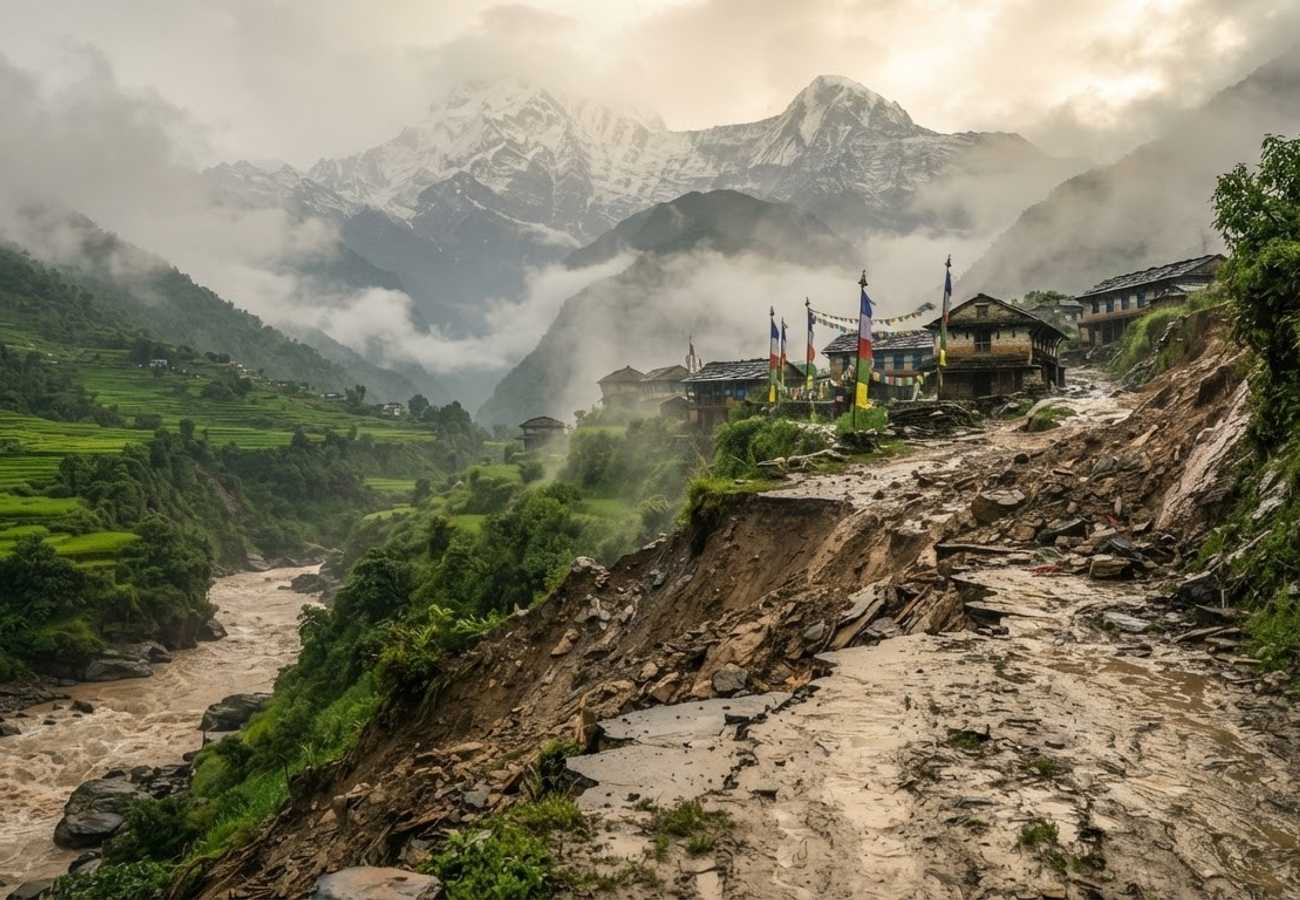
Image generated by AI
Heavy rainfall near Biretta in Kasai has triggered severe flooding in the modify kola, damaging critical road sections that link Jayapura, Ghandruk, and Muktinath.
The Annapurna region, a cornerstone of Nepal's adventure economy, is currently under a safety alert as landslides and floods render several trekking corridors inaccessible. The Trekking Agencies Association of Nepal (TAN) has issued a formal advisory, urging operators to halt movements in high-risk zones and implement rigorous pre-departure briefings for all international visitors.
The Shift Toward Climate-Responsive Trekking
The current disruption is not merely a weather event but a catalyst for a shift in how Himalayan tourism is managed. The damage to the route connecting Jayapura—a primary gateway—to the cultural hub of Ghandruk and the sacred site of Muktinath has exposed the vulnerability of existing mountain infrastructure.
For the visitor, the real impact is a move away from rigid itineraries. Tourism stakeholders are now pivoting toward "fluid scheduling," where routes are adjusted in real-time based on field reports from guides and local authorities. This shift prioritizes human life over itinerary completion, marking a transition toward a more sustainable, safety-first model of adventure travel.
Cultural and Environmental Value
The Annapurna region supports an intricate web of local economies. From teahouse owners in Ghandruk to porters and guides throughout the western highlands, the economic heartbeat of these communities is tied to the accessibility of the trails.
When a road section in Kasai fails, the ripple effect hits the smallest village lodges first. By coordinating with local conservation bodies and regional authorities, the current recovery effort is focusing on "resilient restoration"—building infrastructure that can withstand the intensifying monsoon patterns of the 2020s. This approach ensures that the heritage of the mountain villages is preserved without sacrificing the safety of the global travelers who sustain them.
Visitor Insider Tips
Navigating the Annapurna region during the monsoon or recovery phase requires a different strategy than the peak autumn season.
- The "Shoulder" Window: While August is high-risk for floods, visiting in the late shoulder season (late September) often provides a blend of lush green landscapes and stabilizing weather, though you should still verify trail status via TAN.
- Local Dining Specialty: When staying in Ghandruk, seek out Dhido (a traditional buckwheat or millet porridge) served with local ghee. It is the high-energy fuel used by mountain residents to combat the damp cold of the rainy season.
- Cultural Etiquette: In remote communities like Muktinath, always walk to the right of others on narrow trails and avoid pointing your feet toward shrines or prayer flags.
- Under-the-Radar Spot: If the main Muktinath corridor is blocked, explore the lower valley villages near Jayapura, which offer a more authentic glimpse into agrarian Himalayan life away from the primary trekking crowds.
Tourism Outlook
The long-term viability of Nepal's adventure sector depends on moving beyond reactive repairs. There is a growing demand for data-driven infrastructure—using weather monitoring systems to predict landslide risks before they trap trekking groups.
As global demand for nature-based tourism rises, Nepal's ability to integrate climate resilience into its tourism framework will determine its competitiveness. The focus is now on creating "smart trails" that utilize better drainage and reinforced slopes, ensuring that the Annapurna circuit remains a world-class destination despite the volatility of the Himalayan climate.
Safety in the mountains is not a guarantee, but a result of preparation and local expertise.
Related Travel Guides
Disclaimer
This article is for informational and educational purposes only. It does not constitute legal, financial, or professional advice. While we strive to provide accurate and up-to-date information, travel policies, regulations, and conditions change rapidly. Always verify information with official sources before making travel decisions. Nomad Lawyer makes no representations about the accuracy, reliability, completeness, or suitability of the information provided. Readers should consult qualified professionals for advice specific to their circumstances. The views expressed in this article are those of the author and do not necessarily reflect the views of Nomad Lawyer.
Preeti Gunjan
Contributor & Community Manager
A passionate traveller and community builder. Preeti helps grow the Nomad Lawyer community, fostering engagement and bringing the reader experience to life.
Learn more about our team →