
Bhedetar Skywalk Puts Dhankuta on the Global Adventure Travel Map
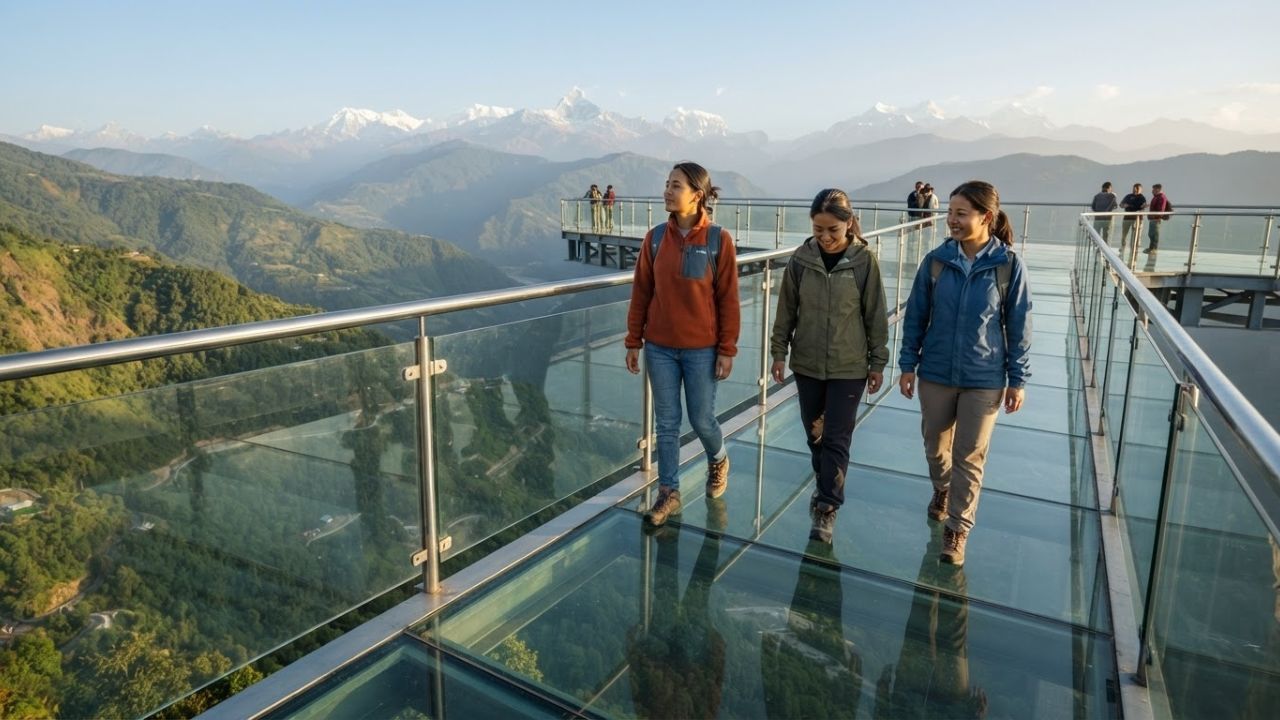
Image generated by AI
The launch of the Bhedetar Skywalk in eastern Nepal's Dhankuta district has introduced a modern adventure attraction, drawing thousands of domestic and international visitors. Located at an altitude of approximately 1,400 meters above sea level, the glass-floored cantilever bridge offers panoramic views of the Saptakoshi River, the southern plains, and iconic Himalayan peaks—including Sagarmatha (Mount Everest), Makalu, and Kanchenjunga.
Developed by Wonders Amusement Parks and Attractions, the skywalk has welcomed over 309,000 visitors within its first two years of operation. The attraction is creating a new tourism identity for the Koshi Province, attracting cross-border travelers from neighboring Indian states and positioning Dhankuta as a key node on regional travel itineraries.
The Local Trend: Modern Adventure Infrastructure in Nepal
While Nepal is globally recognized for high-altitude mountaineering, trekking routes, and historic temples, the country's tourism sector is expanding into modern adventure infrastructure. The Bhedetar Skywalk represents this shift, combining engineering with local geography to create accessible adventure experiences.
For the international traveler, the attraction offers a different type of mountain experience. Instead of embarking on multi-week trekking expeditions, visitors can experience high-altitude views and a sense of suspension above the valleys on a secure glass platform.
The success of the skywalk has prompted plans for additional recreational features at the site, including sky cycling, zip-lining, free-fall jumps, giant swings, and a children's park, establishing Bhedetar as an active leisure hub.
Regional Economic Impact and Agritourism Links
The rise of Bhedetar as an adventure destination directly benefits the regional economy of Koshi Province. Increased visitor numbers support local hotels, guest houses, and retail shops in the Bhedetar bazaar area. The growth in tourism revenue helps diversify local economies that have historically relied on agriculture.
In addition, the tourism flow supports regional organic tea farming and food producers. Dhankuta is famous for its tea plantations, oranges, and fresh vegetables. By sourcing food and beverages from surrounding villages, local restaurants ensure that the economic benefits of tourism reach rural farming communities. For travelers, staying at regional homestays and dining at locally owned establishments ensures that their spending supports community-led development and preserves regional traditions.
Community Integration: Supporting Regional Tourism
The new adventure connection also serves as a vital engine for local economic development along the Koshi hills. Historically, the Dhankuta district operated primarily under limited tourist schedules, restricting the growth of local businesses. The expansion into international adventure tourism helps establish year-round hospitality, construction, and retail jobs for local communities.
This economic impact is supported by the integration of regional suppliers. Hotels and restaurants in Bhedetar are partnering with local agricultural cooperatives to source fresh produce. For travelers, dining at independent local restaurants and purchasing crafts from regional artisans ensures that tourism revenues directly support families and small businesses in the eastern governorates.
Furthermore, this model supports community conservation projects. The eastern hills are home to several rare endemic species, including rhododendrons and mountain orchids. Local conservation groups operate volunteer programs where visitors can participate in habitat restoration. By choosing eco-tours and buying local goods, travelers contribute to the preservation of these unique mountain ecosystems.
Cultural Value: Indigenous Kirat Heritage
Upland and regional travel in eastern Nepal is closely connected to the preservation of indigenous cultural heritage:
- Kirat Cultural Sites: The eastern hills are the homeland of the indigenous Kirat people (Rai and Limbu communities). Visitors can explore traditional villages, learn about their ancient nature-worshiping religion (Kirat Mundhum), and view historical monuments.
- Koshi River Systems: The Saptakoshi River holds spiritual significance for local communities, representing a sacred waterway that has supported regional life for generations.
For the traveler, exploring these regions is an opportunity to learn about Nepal's cultural history and support community-led heritage preservation.
Traditional Gastronomy: Culinary Heritage of Koshi Province
Exploring eastern Nepal's regional hubs offers an opportunity to taste traditional culinary specialties prepared with local ingredients:
- Tongba: A traditional warm beverage popular in eastern Nepal. It consists of fermented whole-grain millet served in a wooden or metal container, filled with hot water, and sipped through a bamboo straw with a filter to block the grains. The container is called a dhumro, and hot water can be refilled multiple times until the millet loses its alcohol strength.
- Gundruk: Fermented leafy green vegetables (usually mustard, radish, or cauliflower leaves), dried and cooked into a tangy, spicy soup or served as a side dish (achar) with rice. The fermentation process takes about one to two weeks, producing a sour taste that is popular in traditional Nepalese soup preparations.
- Thakali Thali: A complete meal consisting of steamed rice, lentil soup (dal), stir-fried greens, pickled vegetables, and ghee, seasoned with local Himalayan spices like jimbu and timmur. The meal is served in brass dishes, and the components are refilled continuously, representing the famous Thakali hospitality tradition.
- Yomari: A steamed fish-shaped sweet dumpling made of rice flour dough, filled with sweet molasses (chaku) or sesame seeds. The name is derived from Newari words meaning 'tasty bread', and the shape of the yomari is designed to resemble a fish or a shell to represent prosperity.
Visitor Insider Tips: Planning a Bhedetar Skywalk Visit
To ensure a comfortable and rewarding visit to the skywalk, consider these practical guidelines:
- Standard Ticket Pricing: General entry tickets for the Bhedetar Skywalk are priced at Rs. 500 per person. Combo packages that include the entry ticket and a free-fall jump are available for Rs. 750.
- Optimal Viewing Windows: Plan your visit between October and December or March and May. During these dry seasons, the morning skies are clear, offering the best chance to view Everest, Makalu, and Kanchenjunga.
- Manage Fog and Crowds: Bhedetar is known for sudden fog rolls that can block mountain views. Visit during the early morning hours (around 7:00 AM) to beat the midday crowds and experience the clearest views before the afternoon mist sets in.
- Dine Locally in the Bazaar: Avoid buying packaged snacks inside the park. Instead, walk to the Bhedetar bazaar to enjoy warm Tongba and fresh Gundruk soup at local family-run eateries, supporting the local economy.
- Check Transportation Schedules: Bhedetar is accessible by road from Dharan (about a 30-minute drive). Public buses and jeeps run regularly, but booking a private taxi in advance offers more flexibility, especially for early morning sunrise visits.
Outlook: The Future of Eastern Nepal Tourism
The success of the Bhedetar Skywalk demonstrates the potential of Koshi Province to attract international and domestic travelers. By combining modern adventure infrastructure with natural conservation and culinary heritage, the region is establishing a sustainable model for rural tourism.
Future development will focus on the construction of connecting roads to regional airports, the expansion of green building codes for local resorts, and the integration of digital booking applications for regional guides. By protecting its surrounding hills and promoting its cultural heritage, Bhedetar is ensuring that its traditional communities remain key participants in the country's tourism growth.
Related Travel Guides
EgyptAir Connects Saudi Arabia with New Alamein for Summer 2026
Buraydah International Dates Carnival Showcases Saudi Heritage
Saudi Arabia's 2026 Falcon Auction Highlights Living Intangible Heritage
Disclaimer
This article is for informational and educational purposes only. It does not constitute legal, financial, or professional advice. While we strive to provide accurate and up-to-date information, travel policies, regulations, and conditions change rapidly. Always verify information with official sources before making travel decisions. Nomad Lawyer makes no representations about the accuracy, reliability, completeness, or suitability of the information provided. Readers should consult qualified professionals for advice specific to their circumstances. The views expressed in this article are those of the author and do not necessarily reflect the views of Nomad Lawyer.