
Food-First Travel Trend Reshapes the Global Tourism Market
Gastronomic experiences, regional recipes, and local markets replace traditional monuments as primary travel drivers for global tourists in H2 2026.

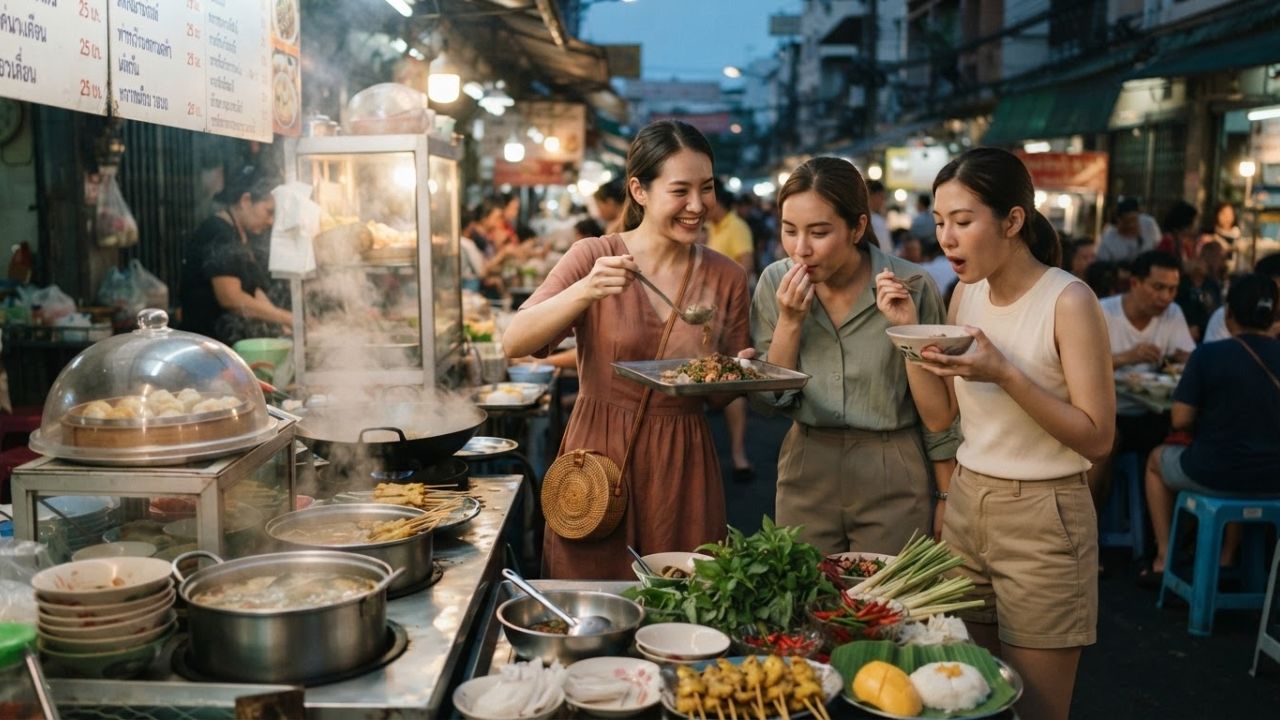
Image generated by AI
A global food-first travel movement is reshaping the international tourism sector, with signature regional dishes, local food markets, and traditional cooking workshops replacing historic monuments as the primary driver of destination choice.
Gastronomic Experiences Over Monuments: The New Culinary Journey
The international travel market is observing a significant realignment, with visitors planning their itineraries around sensory experiences and regional culinary heritage. Rather than focusing solely on historic monuments, beaches, or architecture, a growing segment of global travelers is selecting destinations based on traditional recipes, local food markets, and artisanal dining traditions. Food has transitioned from a basic trip amenity to a primary travel driver that influences transport bookings, hotel selections, and visitor spending patterns. Travelers are increasingly seeking authentic connections with local food producers, hoping to understand the climate, traditions, and families behind the dishes they consume.
For the traveler, the real impact of food-first travel is the opportunity to gain a deeper, more immersive understanding of a destination’s culture. By prioritizing neighborhood markets, local cooking workshops, and farm-to-table dining, visitors can engage directly with regional communities in a meaningful way.
Digital Influence on Gastronomic Travel Decisions
Modern travel choices are increasingly driven by online media, AI travel planning tools, and digital networks that highlight global culinary traditions:
| Discovery Channel | How It Influences Travel |
|---|---|
| Social media videos | Creates interest in local dishes and hidden food spots |
| Food documentaries | Introduces regional cuisines globally |
| Restaurant recommendations | Encourages destination-specific trips |
| Cooking content | Inspires cultural exploration |
| Online food communities | Builds international curiosity |
These digital platforms help travelers discover regional specialties long before they book their flights.
The Rise of the Signature Destination Dish
A single local dish can become a powerful symbol that motivates international travel, shifting traveler questions from what to see to what to eat:
| Destination | Signature Food Experience |
|---|---|
| Naples, Italy | Traditional Neapolitan pizza |
| Tokyo, Japan | Sushi, ramen and seasonal cuisine |
| Oaxaca, Mexico | Indigenous cooking traditions |
| Bangkok, Thailand | Street food culture |
| Istanbul, Türkiye | Turkish breakfast and traditional dishes |
| Lima, Peru | Ceviche and modern gastronomy |
Multi-Region Travel and Regional Cuisines
In many destinations, the diversity of regional food cultures encourages visitors to travel beyond major tourist capitals. For example, Italy demonstrates the power of food-led tourism through distinct regional identities:
| Region | Food Experience |
|---|---|
| Tuscany | Wine, olive oil and farm-to-table cuisine |
| Emilia-Romagna | Handmade pasta and traditional products |
| Sicily | Seafood, street food and Mediterranean flavours |
| Naples | Pizza heritage |
| Piedmont | Truffles and wine tourism |
By exploring different agricultural regions, travelers help distribute tourism spending to rural farmers, olive oil mills, and family-owned trattorias.
International Competition in Culinary Travel
Destinations across Asia are actively highlighting their food heritage to attract international visitors, encourage longer stays, and stand out in an increasingly competitive global travel market:
| Country | Culinary Tourism Strength |
|---|---|
| Thailand | Street food markets and cooking experiences |
| South Korea | Fermentation culture and Korean cuisine |
| India | Regional diversity and traditional cooking |
| Vietnam | Local markets and street food |
| Japan | Heritage dining and seasonal cuisine |
Neighborhood Markets as Key Attractions
Traditional food spaces are replacing conventional sightseeing spots as essential places to visit, transforming ordinary spaces into memorable travel products:
| Market Experience | Destination |
|---|---|
| Tsukiji-style seafood culture | Japan |
| Floating markets | Thailand |
| Local produce markets | France and Italy |
| Street food markets | Mexico and Vietnam |
Visiting local markets provides tourists with an authentic view of daily community life and ingredient sourcing.
Ecotourism and Community Support in Food Tourism
For the traveler, the real impact of food-first travel is the opportunity to practice slow travel that protects agricultural heritage and supports local farming preservation. By choosing farm-to-table restaurants that source ingredients directly from local agricultural cooperatives, visitors reduce food transport miles and associated carbon emissions.
Travelers can support local economies by purchasing ingredients directly from community-run farmers' markets and hiring neighborhood culinary guides for food walks. This ensures that travel spending remains within the community, supporting small-scale farmers and family-owned food stalls. Additionally, bringing reusable bags and food containers to street markets helps reduce single-use plastic waste, protecting local marine biomes and urban environments. Conserving fresh water during cooking workshops and respecting local fishing limits during seafood tours also helps preserve regional biodiversity.
Destination Specialist Local Insider Tips
To help you explore global food cultures safely and comfortably, travel specialists suggest the following tips:
- Choose the Shoulder Seasons: Book culinary tours during late spring or autumn to secure table reservations at popular dining establishments and avoid market crowds.
- Hire a Local Market Guide: Maximize your food experience by hiring a neighborhood guide to translate ingredients and recommend under-the-radar food stalls.
- Savor Ceviche Clásico and Neapolitan Pizza: Experience authentic gastronomy. Try fresh Ceviche Clásico (sea bass cured in lime juice) in Lima, or Neapolitan Pizza cooked in a wood-fired oven in Naples.
- Respect Tipping Customs: Avoid tipping in countries like Japan, where it is not part of the culture and can be considered impolite.
- Pack Reusable Food Containers: Reduce plastic waste by bringing your own reusable containers and bags when visiting street food markets in Bangkok or Hanoi.
Long-Term Outlook for Sustainable Food Tourism
The long-term outlook for global culinary tourism remains highly positive, supported by the integration of organic farming programs, digital sourcing platforms, and regional food festivals. By prioritizing culinary preservation and supporting small-scale producers, destinations are establishing a more resilient travel model.
As traveler interest in wellness and organic food continues to expand in 2026, the collaboration between agricultural ministries, national tourism boards, and environmental agencies will remain essential. This balanced approach protects delicate food ecosystems, supports independent regional businesses, and ensures that the world's most attractive culinary regions remain productive, clean, and inspiring for future generations of global travelers.
Related Travel Guides
Disclaimer
This article is for informational and educational purposes only. It does not constitute legal, financial, or professional advice. While we strive to provide accurate and up-to-date information, travel policies, regulations, and conditions change rapidly. Always verify information with official sources before making travel decisions. Nomad Lawyer makes no representations about the accuracy, reliability, completeness, or suitability of the information provided. Readers should consult qualified professionals for advice specific to their circumstances. The views expressed in this article are those of the author and do not necessarily reflect the views of Nomad Lawyer.
Preeti Gunjan
Contributor & Community Manager
A passionate traveller and community builder. Preeti helps grow the Nomad Lawyer community, fostering engagement and bringing the reader experience to life.
Learn more about our team →