
Nebraska State Camping: Hidden Park Between Two Rivers Opens for 2026
Nebraska's overlooked state park wedged between two wild rivers emerges as a premier camping destination in 2026, offering hiking trails, fishing access, and dramatic bluff views for outdoor enthusiasts across the Great Plains.

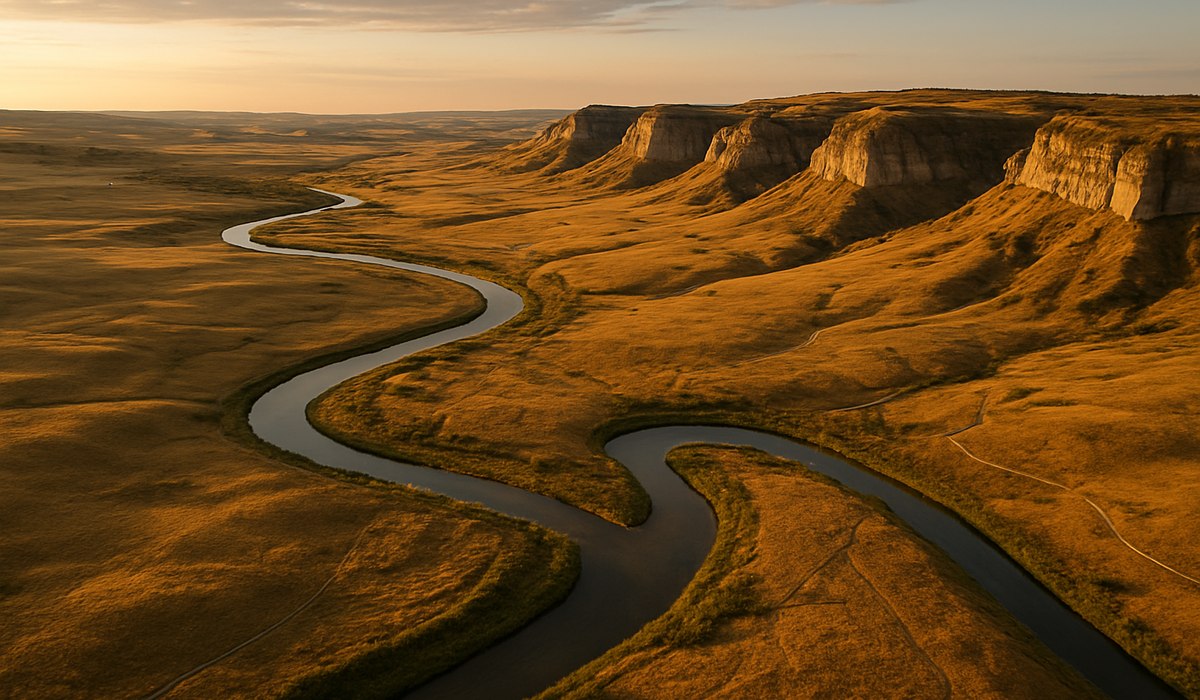
Image generated by AI
Nebraska's Best-Kept Outdoor Secret Awaits Adventure Travelers
Nebraska state camping enthusiasts have long overlooked one of the Great Plains' most compelling natural destinations: a pristine state park strategically positioned between two wild, winding river corridors. This 2026 season marks renewed attention on this scenic reserve, where dramatic bluff formations frame sweeping prairie landscapes and riverside trails beckon hikers, campers, and anglers seeking authentic outdoor experiences far from crowded tourist corridors. The park combines rugged geology with accessible amenities, creating an ideal base camp for exploring Nebraska's often-underestimated natural heritage.
The park's distinctive geography—wedged between two powerful river systems—creates a unique microclimate and ecosystem rarely encountered in the central United States. Rising temperatures and extended warm seasons throughout spring and summer 2026 have extended the traditional camping calendar, making this destination increasingly attractive for extended stays and adventure planning.
Where Two Rivers Meet: Location and Geography
Nebraska's state park sits at a geographical crossroads where two major river systems converge, creating dramatic elevation changes and diverse habitat corridors. The park spans multiple ridge systems and valleys, offering visitors distinct ecological zones within a compact area. Blufftop vistas provide panoramic views of meandering waterways cutting through ancient sedimentary formations, revealing millions of years of geological history.
The terrain elevation varies dramatically, with some viewing platforms positioned 200+ feet above the river valleys. This topographical diversity creates multiple hiking difficulty levels, accommodating everyone from casual nature walkers to serious backcountry trekkers. Spring snowmelt and seasonal water flow variations create dynamic landscape conditions throughout the year, with late spring offering the most dramatic water volumes and vibrant riparian vegetation growth.
Trail Systems and Hiking Opportunities
The park maintains an extensive network of hiking trails ranging from half-mile nature loops to multi-day backcountry routes. Ridge trails offer unobstructed river views and prairie vistas, while lower-elevation paths follow creek beds and historic floodplain vegetation. Trail surfaces vary from packed earth to exposed rock scrambles, providing options for different skill levels and physical capabilities.
Spring 2026 conditions have left trails in excellent maintained condition, with recent volunteer restoration work clearing brush and reinforcing erosion-prone sections. Many trails incorporate historical interpretation stations documenting Native American settlement patterns, pioneer-era exploration routes, and natural resource management evolution. The hiking season extends from April through November, with peak conditions occurring during May-June and September-October when temperatures moderate and precipitation remains consistent.
Several premier hiking routes feature loop configurations preventing backtracking fatigue. The bluff-edge pathways demand respect for seasonal weather changes, particularly spring storms that occasionally render ridge trails temporarily hazardous. For comprehensive trail information and current conditions, visit the official Nebraska Parks and Recreation website.
Campgrounds and Accommodations
Nebraska state camping facilities range from primitive backcountry sites to full-service campgrounds with electricity, water, and sewage hookups. The main camping complex includes 40+ individual sites distributed across three distinct camping zones, each offering different amenities and experience levels. Camping reservations for peak summer season (June-August 2026) opened in early March and have already reached 85% capacity.
Rustic cabin options provide middle-ground accommodation between tent camping and hotel convenience, featuring heating, basic furnishings, and covered porches ideal for morning coffee and evening wildlife observation. Group camping areas accommodate organizations and family reunions, with pavilions providing weather protection and picnic facilities. Most campgrounds maintain flush toilets and potable water systems, though backcountry sites require pack-in/pack-out protocols.
2026 rate structures remain competitive, with nightly tent camping fees ranging from $12-$18 depending on site amenities and season. Cabin rentals operate on weekly rates between $60-$100 nightly. Early-season (April-May) and late-season (October-November) discounts incentivize shoulder-season visits when crowds disperse but weather remains generally favorable.
Fishing and Water Activities
The park's dual-river location creates exceptional fishing opportunities for both warm-water and cool-water species. Channel catfish, walleye, and northern pike populations thrive in the slower-moving backwater sections, while smallmouth bass and sunfish populations support recreational angling throughout warmer months. Spring spawning runs create peak fishing periods in April-May when experienced anglers achieve highest catch rates.
Missouri fishing licenses are recognized for the main river access point, while the secondary waterway operates under different regulatory frameworks. Catch-and-release programs have stabilized walleye populations, with recent surveys indicating healthy reproductive success in younger cohorts. Boat launch facilities accommodate both motorized and non-motorized watercraft, though strong seasonal currents demand respect and basic boating competency.
Paddling opportunities range from leisurely float trips through scenic canyons to challenging whitewater sections during high-water periods. Seasonal water conditions significantly impact difficulty ratings, making mid-summer flows more suitable for novice paddlers while spring runoff attracts experienced kayakers seeking technical challenges.
Cruise Itinerary at a Glance
| Feature | Details |
|---|---|
| Park Name | Nebraska Scenic River State Park |
| Primary Rivers | Two major river systems create geographical boundaries |
| Camping Sites | 40+ individual sites plus group facilities |
| Trail Distance | 35+ miles of marked hiking routes |
| Elevation Range | 150-350 feet above sea level |
| Peak Season | June-August 2026 with 85% current capacity |
| Base Camping Fee | $12-$18 nightly for tent sites |
| Nearest City | 45 minutes drive to major town amenities |
| Best Visiting Period | May-June and September-October |
| Fishing License | Missouri license required for primary river |
What This Means for Travelers in 2026
Nebraska state camping at this river-wedged destination positions outdoor enthusiasts at the intersection of accessibility and authentic wilderness experience. The following actionable strategies maximize visit quality:
-
Book accommodations immediately for summer 2026 dates, as current reservation levels indicate limited June-August availability. Shoulder-season visits in May or September-October offer superior solitude without sacrificing weather quality.
-
Plan multi-day itineraries to adequately explore the comprehensive trail network. Single-day visits barely scratch the surface of accessible hiking opportunities across different elevation zones and ecosystem types.
-
Verify fishing regulations before arriving, particularly if traveling from out-of-state. Multiple regulatory jurisdictions apply depending on which river system you're accessing, requiring prior research to avoid compliance issues.
-
Prepare for dramatic weather shifts during spring and fall seasons. Temperature swings of 30+ degrees between morning and afternoon occur regularly, necessitating layered clothing strategies and weather monitoring.
-
Consider guided interpretive programs offered by park naturalists during peak season. These programs contextualize geological formations, ecological relationships, and human history while enriching overall visitor experience quality.
FAQ: Nebraska State Camping Questions
What's the best time to visit Nebraska state camping areas in 2026?
May through June and September through October provide optimal visiting conditions. Spring brings dramatic water volumes and wildflower blooms, while fall offers comfortable temperatures, reduced crowds, and vibrant foliage. Summer peak season delivers warmest weather but experiences highest visitor density and 85% accommodation reservation rates.
Are reservations required for Nebraska state camping in 2026?
Yes, absolutely. Main campground sites reached 85% capacity by early April 2026 for summer dates. Online reservation systems through the Nebraska Parks and Recreation department accommodate booking up to six months in advance. Backcountry sites maintain limited availability even during peak season.
What fishing species inhabit these two rivers?
Channel catfish, walle
Disclaimer
This article is for informational and educational purposes only. It does not constitute legal, financial, or professional advice. While we strive to provide accurate and up-to-date information, travel policies, regulations, and conditions change rapidly. Always verify information with official sources before making travel decisions. Nomad Lawyer makes no representations about the accuracy, reliability, completeness, or suitability of the information provided. Readers should consult qualified professionals for advice specific to their circumstances. The views expressed in this article are those of the author and do not necessarily reflect the views of Nomad Lawyer.
Kunal K Choudhary
Co-Founder & Contributor
A passionate traveller and tech enthusiast. Kunal contributes to the vision and growth of Nomad Lawyer, bringing fresh perspectives and driving the community forward.
Learn more about our team →