
National Park RV Hookups: Which Parks Lead in 2026?
Discover which national park offers the most RV hookups in 2026. Plan your extended camping season strategically with our guide to electric facilities and infrastructure across America's premier destinations.

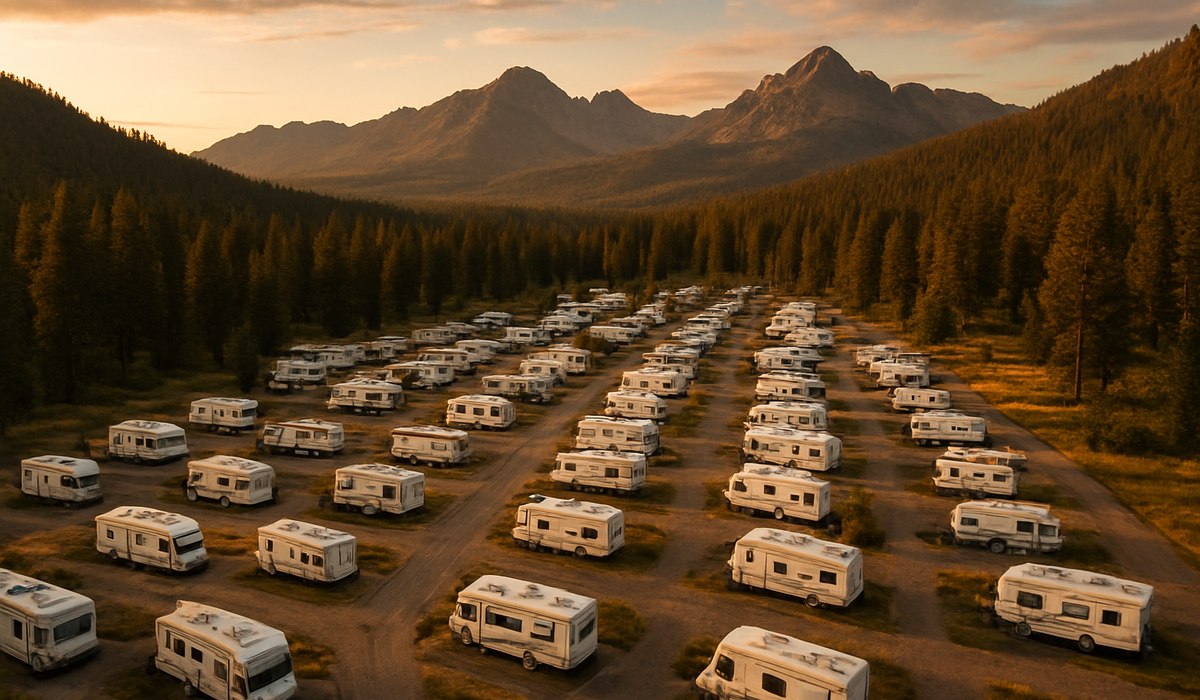
Image generated by AI
Planning Your Season: The RV Hookup Advantage
Booking your RV camping season requires strategic planning, and the availability of quality hookup facilities should top your priority list. As remote workers and digital nomads increasingly adopt mobile lifestyles, national parks with comprehensive electrical infrastructure have become premium destinations for extended stays. The quest to identify which national park has the most RV hookups has become essential for travelers seeking reliable power access and comfort during their adventures across America's greatest natural landscapes.
Which National Park Has The Most RV Hookups?
Several national parks compete for top honors in RV infrastructure development. Yellowstone National Park stands out with approximately 2,000 camping sites spread across five major campgrounds, though only a portion offer full hookups. However, parks managed by National Recreation Services (NRS) have made significant expansions to their electrical systems.
Death Valley National Park has invested heavily in upgrading its hookup capacity, making it increasingly competitive. Zion National Park's Watchman Campground features over 160 sites with electric hookups available year-round. Yet many digital nomads report that Great Smoky Mountains National Park offers some of the most accessible and reliable hookup infrastructure due to its gateway communities and partnership campgrounds that provide extended-stay options with full electrical systems.
The answer depends partly on your definition of "hookups." Full hookups (water, electric, and sewer) differ from electric-only facilities. Most national parks prioritize electric hookups while relying on regional RV parks nearby for comprehensive amenities.
Visit the National Park Service official website to verify current campground specifications and booking availability.
Top RV-Friendly National Parks Ranked
Ranking national parks by hookup availability requires examining both quantity and quality of infrastructure. Here's what travelers should know about leading destinations:
Yellowstone National Park maintains five campgrounds with hookup services, though booking fills quickly during peak season. Madison and Grant Village campgrounds offer the most reliable electric access. Canyon Village provides water and electric at select sites.
Zion National Park has modernized its electrical grid significantly. The Watchman Campground operates year-round with consistent power availability, making it ideal for winter stays.
Grand Canyon National Park offers hookups at Mather Campground near the South Rim, with selective full-hookup sites available.
Death Valley National Park has expanded Furnace Creek Campground's electrical capacity substantially, recognizing demand from extended-stay visitors and remote workers.
Rocky Mountain National Park provides hookup access at Moraine Park and Glacier Basin campgrounds, though availability remains limited during peak summer months.
Check TripAdvisor's national park camping reviews for current traveler feedback on hookup reliability and facility conditions.
What To Expect: Hookup Types And Amenities
Understanding hookup terminology helps set realistic expectations for your RV camping experience. Electric-only hookups provide 30 or 50-amp connections at most national park campgrounds, sufficient for powering appliances, climate control, and entertainment systems.
Water hookups remain rarer in national parks due to infrastructure constraints. Many parks position water spigots centrally, requiring visitors to fill tanks at designated stations rather than accessing hookups directly at individual sites.
Sewer connections represent the scarcest resource in national park settings. Full hookups combining water, electric, and sewer rarely appear at official NPS campgrounds. Regional RV parks surrounding national parks typically offer comprehensive amenities.
Most national parks maintain hookup infrastructure from May through October, though some facilities now operate year-round to accommodate winter travelers. Electrical systems typically range from 30 to 50 amps, supporting modern RV appliances and home office equipment essential for remote work.
Amenity facilities usually include dump stations, fresh water filling stations, and occasional laundry facilities. Wi-Fi availability varies dramatically—some parks offer cellular coverage while others require mobile hotspots or satellite internet solutions.
Best Time to Visit
Peak season for national park RV camping runs from June through August, when most facilities operate at full capacity and hookup sites book months in advance. Savvy travelers planning extended stays should book between December and February for summer access.
Shoulder seasons—May and September—offer ideal conditions for digital nomads seeking reliable hookups with fewer crowds. Electric systems operate at full capacity, and availability windows extend longer than peak months.
Winter camping remains increasingly popular among remote workers avoiding summer tourism surges. Many national parks now maintain year-round electrical systems, particularly national park RV hookups in milder climates like Death Valley and Zion.
Late fall and early spring present sweet spots for accommodating work-and-travel schedules. Cooler temperatures reduce electrical demand for air conditioning, potentially lowering utility impacts on park systems. Seasonal price reductions often apply, reducing camping costs substantially.
Consider your work requirements when timing visits. Reliable internet access may necessitate proximity to gateway communities rather than remote backcountry campgrounds. Plan accordingly when booking.
How to Get There
Most national parks with significant RV hookup infrastructure sit within accessible driving distance of major highways and regional airports. Yellowstone National Park connects via Interstate 90 in Montana and Wyoming, with regional airports in Bozeman, Jackson, and West Yellowstone supporting visitor access.
Zion National Park sits near Interstate 15 in Utah, approximately four hours from Las Vegas and six hours from Salt Lake City. Direct flights arrive at Harry Reid International Airport in Las Vegas, where rental companies operate extensive RV fleets.
Death Valley National Park requires a longer drive into California's interior. Most visitors access via Las Vegas (five hours) or Southern California population centers (six hours). Highway 395 provides north-south access through Eastern California.
Grand Canyon National Park connects via Arizona's Highway 64, approximately 80 miles south of the Utah border and manageable from Flagstaff or Las Vegas.
National Park Service campground reservation systems operate through Recreation.gov. Book well in advance—popular sites with national park RV hookups fill months ahead of target travel dates. Consider mid-week visits when weekend demand declines and cancellations create booking opportunities.
Booking Tips for Peak Season
Strategic booking approaches dramatically improve your chances of securing hookup sites during high-demand periods. Cancellation monitoring represents the most reliable secondary strategy. Sites frequently open within 48-72 hours of reservation cancellations, so checking daily increases booking success.
Create multiple accounts with different email addresses and phone numbers to apply for same-day reservations. When sites open for booking (typically 5-6 months in advance), simultaneous applications across accounts improve odds.
Flexibility with dates yields significant advantages. Mid-week stays nearly always offer better availability than weekend bookings. Extending stays into less popular shoulder season dates reveals forgotten inventory.
Subscribe to national park alert systems and social media accounts that post real-time availability updates. Many experienced RV travelers set daily phone reminders to check Recreation.gov precisely when new cancellations process.
Consider extended-stay discounts available at some gateway community RV parks adjacent to major national parks. While outside official park boundaries, these facilities often provide superior hookup infrastructure and extended-stay pricing models beneficial for remote workers planning month-long stays.
Key Data: National Park RV Infrastructure Comparison
| National Park | Primary Hookup Campground | Electric Hookup Sites | Full Hookup Sites | Peak Season Availability | Best For Remote Work |
|---|---|---|---|---|---|
| Yellowstone | Madison & Grant Village | ~200 | ~60 | May-October | Moderate (cellular variable) |
| Zion | Watchman | 160+ | 0 | Year-round | Good (gateway Wi-Fi) |
| Death Valley | Furnace Creek | 180+ | 0 | November-April | Limited (Badwater proximity) |
Disclaimer
This article is for informational and educational purposes only. It does not constitute legal, financial, or professional advice. While we strive to provide accurate and up-to-date information, travel policies, regulations, and conditions change rapidly. Always verify information with official sources before making travel decisions. Nomad Lawyer makes no representations about the accuracy, reliability, completeness, or suitability of the information provided. Readers should consult qualified professionals for advice specific to their circumstances. The views expressed in this article are those of the author and do not necessarily reflect the views of Nomad Lawyer.
Kunal K Choudhary
Co-Founder & Contributor
A passionate traveller and tech enthusiast. Kunal contributes to the vision and growth of Nomad Lawyer, bringing fresh perspectives and driving the community forward.
Learn more about our team →