
Nantucket Tourism 2026: Managing Social Media Surge and Sustainable Growth in Massachusetts
Nantucket faces a critical turning point in 2026 as viral social media trends drive unprecedented visitor volumes, forcing the Massachusetts island to balance economic growth with community preservation.

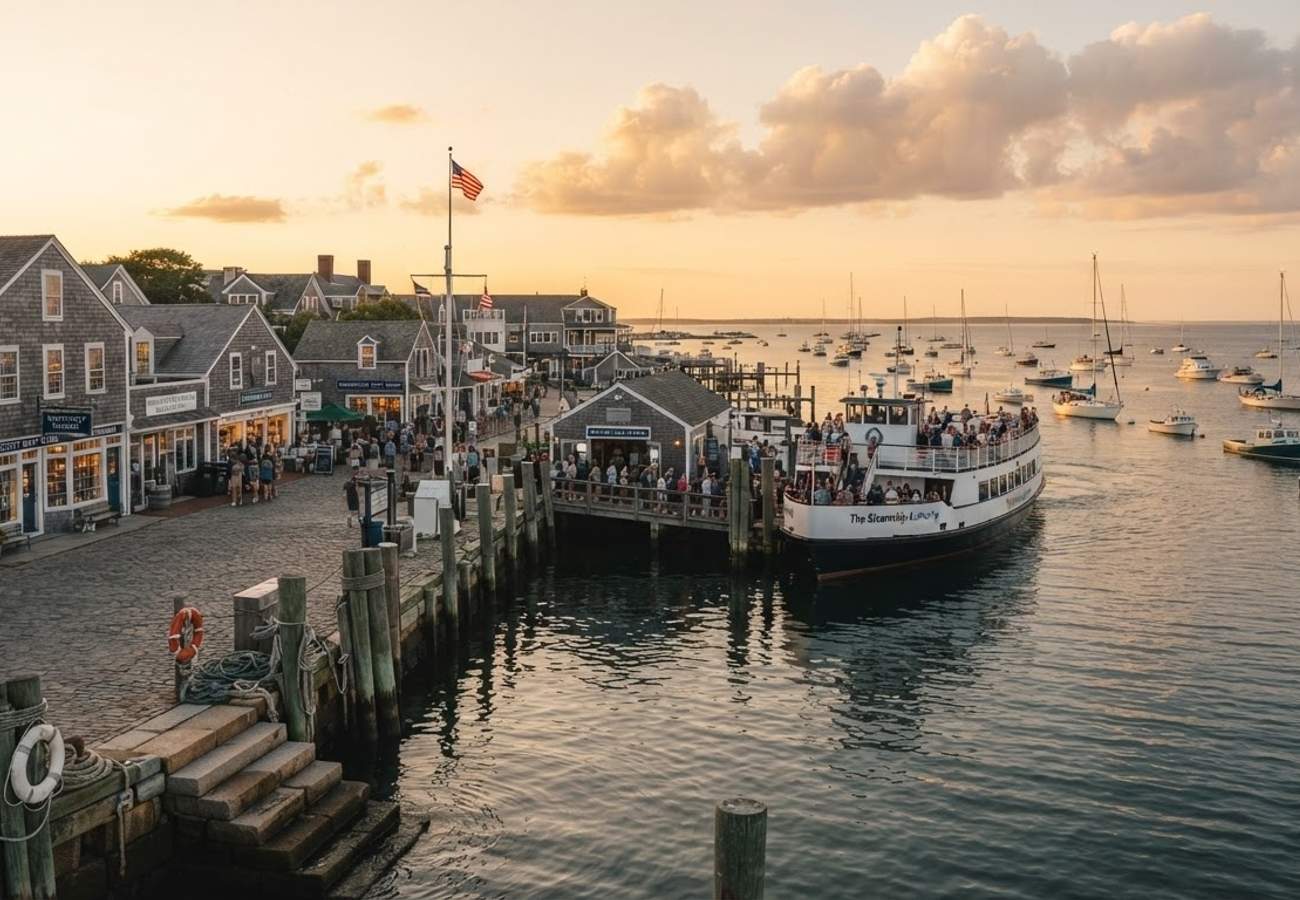
Image generated by AI
Nantucket is navigating a systemic shift in its tourism model as viral digital content transforms the island from a quiet New England retreat into a global social media magnet.
The historic Massachusetts destination, defined by its maritime heritage and grey-shingled architecture, is currently grappling with the externalities of influencer-driven travel. While the influx of visitors bolsters the local economy, it has triggered an urgent dialogue regarding crowd management and the preservation of the island's residential character.
The Digital Catalyst for Overtourism
The transition in Nantucket’s visitor profile is directly linked to the mechanics of modern travel discovery. A single viral video or high-engagement image can now project a secluded location to millions of users instantly. For Nantucket, this has resulted in a surge of "aesthetic-driven" tourism, where visitors prioritize photography over cultural immersion.
Historically, Nantucket's geography—located 30 miles south of Cape Cod—acted as a natural filter. Because access is limited to ferries and aircraft, visitor flow was inherently controlled. However, the demand generated by social media is now testing the limits of this infrastructure.
Core Attractions Under Pressure
Despite the tension between residents and visitors, the island's primary draws remain consistent. Market data indicates that tourism continues to center on four primary pillars:
- Historic Downtown: High demand for cobblestone streets, independent boutiques, art galleries, and maritime landmarks.
- Coastal Assets: Concentrated traffic at Surfside Beach, Madaket Beach, Jetties Beach, and Cisco Beach.
- Low-Impact Transit: A strong preference for cycling to navigate the island's compact layout and reduce vehicle reliance.
- Maritime Education: Sustained interest in the whaling heritage, anchored by the Nantucket Whaling Museum.
Global Context: The Viral Tourism Pattern
Nantucket's current struggle is not isolated. Our analysis of global travel trends shows a recurring pattern where "hidden gems" become victims of their own digital success.
| Destination | Primary Driver | Core Challenge |
|---|---|---|
| Nantucket, USA | Aesthetic/Luxury Lifestyle | Infrastructure strain & resident friction |
| Balos Beach, Greece | Viral Landscapes | Environmental degradation of sensitive coasts |
| Amalfi Coast, Italy | Iconic Viewpoints | Extreme peak-period congestion |
Why This Matters: Industry Analysis
From a logistical perspective, the "Nantucket Effect" highlights a failure in traditional destination marketing. When a location becomes a "backdrop" for social media content, the value proposition shifts from the experience of the place to the image of the place.
For the aviation and ferry operators serving the island, this means a shift in demand patterns. We are seeing a move toward shorter, high-intensity visits rather than the traditional long-stay summer rentals. For local businesses, this creates a volatility in revenue—high peaks that overwhelm staff and deep troughs that threaten year-round viability.
The real impact for travelers is a degradation of the "slow life" appeal that made Nantucket famous. When the primary goal of a visitor is to replicate a viral photo, the authenticity of the destination is eroded, eventually leading to a decline in high-value, long-term tourism.
Forward Outlook: The Shift to Smart Management
The industry is moving away from blunt visitor limits toward "Smart Tourism Management." To survive the 2026-2030 cycle, Nantucket and similar destinations are expected to implement:
- Timed Access Systems: Digital queuing for high-traffic landmarks to prevent overcrowding.
- Diversification Campaigns: Incentivizing visits to lesser-known interior locations to spread the economic footprint.
- Responsible Storytelling: A shift in influencer partnerships, moving from "hidden spot" reveals to content that emphasizes conservation and local etiquette.
- Capacity Controls: Stricter regulations on short-term rentals to protect the permanent resident population.
The survival of Nantucket's charm depends on whether the island can transition from being a viral trend to a managed sustainable ecosystem.
Related Travel Guides
Disclaimer
This article is for informational and educational purposes only. It does not constitute legal, financial, or professional advice. While we strive to provide accurate and up-to-date information, travel policies, regulations, and conditions change rapidly. Always verify information with official sources before making travel decisions. Nomad Lawyer makes no representations about the accuracy, reliability, completeness, or suitability of the information provided. Readers should consult qualified professionals for advice specific to their circumstances. The views expressed in this article are those of the author and do not necessarily reflect the views of Nomad Lawyer.
Preeti Gunjan
Contributor & Community Manager
A passionate traveller and community builder. Preeti helps grow the Nomad Lawyer community, fostering engagement and bringing the reader experience to life.
Learn more about our team →