
Croatia Tourism Faces Structural Challenge With Extreme Summer Concentration
Croatia recorded the highest concentration of summer tourism stays in the EU at 54.5%, prompting the Croatian National Tourist Board to expand off-peak travel.

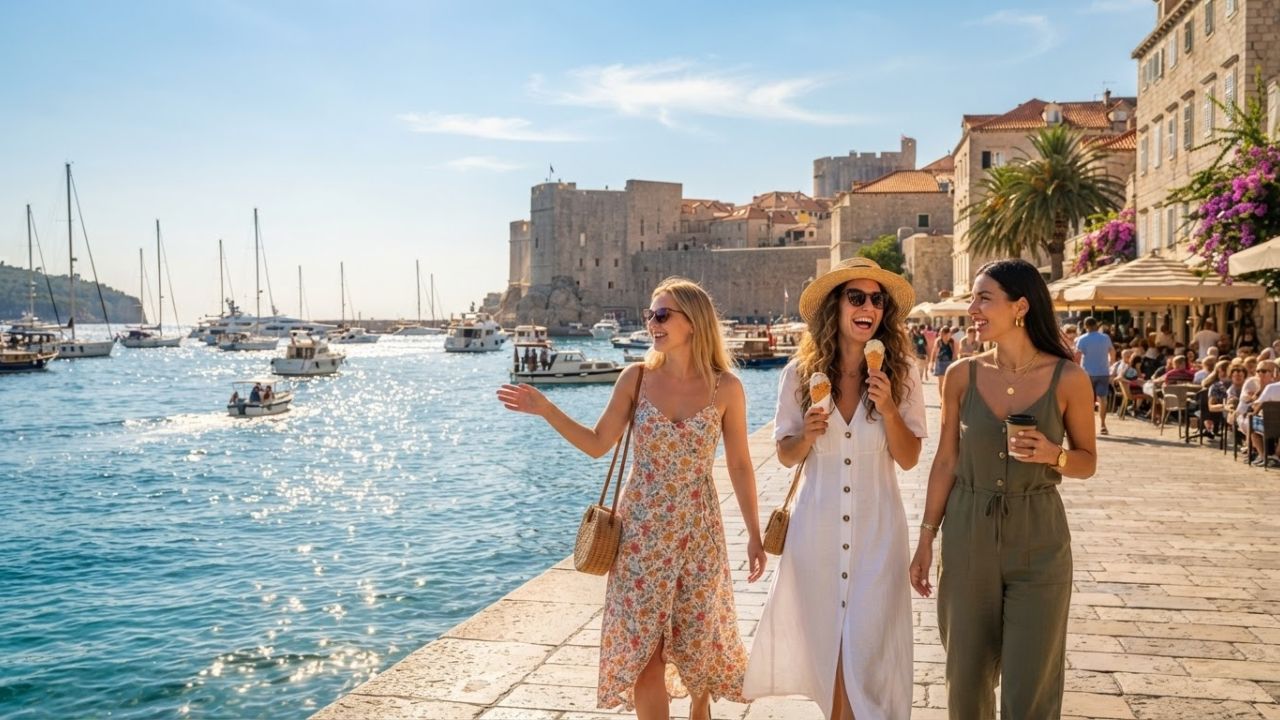
Image generated by AI
Croatia has recorded the highest concentration of summer tourism overnight stays in the European Union, with 54.5% of its annual visitor volume arriving in July and August. The extreme seasonality, highlighted by Eurostat, has prompted the Ministry of Tourism and Sport to prioritize the development of a year-round, sustainable travel model.
Seasonal Concentration: July and August Dominate Croatia's Tourism
The travel sector in Croatia has achieved remarkable success over the past decade, establishing the country as one of Europe's premier coastal destinations. The Adriatic Sea, historic walled cities, and thousand-island archipelago draw millions of international visitors annually. However, the latest tourism seasonality analysis from Eurostat has revealed a significant structural challenge. Croatia has the most concentrated summer tourism demand in the European Union, with over half of its annual overnight stays occurring within just two months.
According to Eurostat, 54.5% of Croatia’s total tourism overnight stays in 2025 took place in July and August. This figure is significantly higher than the EU average of 31.1%, and outpaces other Mediterranean destinations that also rely heavily on summer travel. For example, Bulgaria recorded 43.4% of its annual overnight stays during the same period, while Greece recorded 41.6%.
This data does not suggest that Croatia is losing its appeal; rather, it underscores the need for a more balanced travel model. While the summer months bring substantial economic benefits, concentrating the vast majority of visitors into a 60-day window places intense pressure on local communities, municipal services, and the environment.
Tourism Volumes: Record Stays and the Overtourism Challenge
Croatia's strong summer performance is built on a solid foundation of domestic and international demand. The Croatian National Tourist Board reported that in 2025, the country welcomed approximately 21.8 million tourist arrivals, resulting in 110.1 million overnight stays. These figures demonstrate that Croatia remains highly competitive in the global travel market, with visitors drawn to its historic heritage, coastal gastronomy, and natural reserves.
However, this high volume creates significant overtourism challenges during the peak summer months, particularly in popular coastal hubs like Dubrovnik, Split, Istria, and Zadar, as well as island destinations like Hvar and Brač. Dubrovnik, famous for its medieval walls and UNESCO-listed Old Town, experiences intense tourist density in July and August when cruise ships and leisure travelers arrive simultaneously.
During these peak months, the demand for accommodation, local transport, dining, and city services spikes rapidly, leading to overcrowded streets and increased stress on local infrastructure. For the visitor, the real impact of this concentration is an increase in travel costs, longer wait times at major attractions, and a less personal connection with the local culture.
Business Impacts: Seasonal Workforces and Ferry Capacity Spikes
The extreme seasonal concentration creates operational and economic challenges for local businesses that rely on tourism revenue. Hotels, restaurants, ferry operators, and travel agencies must manage periods of extremely high demand in the summer, followed by long, quiet winter months when cash flow is minimal.
A primary issue is workforce planning. Because the tourist season is so short, many businesses rely on temporary and seasonal workers, making it difficult to hire and retain qualified staff. The hospitality sector faces significant challenges in recruiting cooks, servers, and hotel staff for only two to three months of work each year.
Transportation networks also face seasonal capacity spikes. Split Airport and Zadar Airport, along with the Jadrolinija ferry services connecting the mainland to the islands, experience their busiest periods of the year in July and August. Maintaining infrastructure that can handle millions of passengers in summer but remains underutilized for the rest of the year represents a major cost for both private operators and local municipalities.
Strategic Transition: Developing Year-Round Cultural and Gastronomic Tourism
To address these challenges, the Ministry of Tourism and Sport of Croatia is developing tourism products that operate outside the traditional summer peak. The goal is to encourage visitors to explore the country during the spring, autumn, and winter, distributing tourism revenue more evenly throughout the year.
The strategy involves promoting several key sectors:
- Cultural Heritage: Showcasing the country's historic cities, ancient Roman ruins, and medieval architecture during the milder spring and autumn months.
- Regional Gastronomy: Promoting olive oil harvests, truffle hunting in Istria, and wine-tasting tours in the Pelješac Peninsula during the autumn months.
- Active and Wellness Tourism: Developing cycling, hiking, and sea kayaking routes along the coast and national parks, alongside health and wellness retreats.
- Inland Exploration: Directing visitors toward inland regions like Gorski Kotar and the capital city of Zagreb, which offer rural tourism, national parks, and cultural events year-round.
Connecting coastal attractions with inland destinations helps distribute visitor spending more widely, supporting local economies away from the crowded beaches.
Sustainable Travel: Reducing Pressure on Coastal Cities
From a sustainability perspective, moving away from summer concentration is essential for protecting Croatia's environment. Overtourism can lead to increased waste, high water usage, and damage to fragile marine ecosystems along the Adriatic coast. By choosing to travel during the shoulder seasons, visitors play a direct role in reducing this environmental footprint.
Travelers can support sustainable tourism by staying at eco-certified accommodations, choosing locally owned family taverns (konobas), and employing local guides for historic tours. Using public buses or ferries instead of renting private cars also helps reduce carbon emissions along the narrow coastal roads.
These sustainable practices help preserve the cultural and natural assets that make Croatia unique, ensuring that the tourism industry supports both economic growth and environmental conservation.
Local Insider Guide: Shoulder Season Planning and Coastal Specialties
To help you get the best value from your trip to Croatia and avoid the peak summer crowds, destination specialists suggest the following tips:
- Optimal Visit Windows: Plan your trip during the shoulder seasons, specifically from May to June or September to October. During these months, the weather is warm enough for sightseeing and swimming, but the crowds are significantly smaller, and hotel prices are lower.
- Dubrovnik Old Town Etiquette: When visiting the old town of Dubrovnik, dress modestly and respect local residents. Avoid rolling suitcases on the stone streets early in the morning, and do not climb on the historic monuments.
- Understand Tipping Customs: Tipping is appreciated in restaurants and taverns. A tip of 10% of the total bill is standard for good service. For taxi drivers and cafe service, rounding up to the nearest euro is common practice.
- Sample Traditional Gastronomy: Try traditional Dalmatian food. Sample Peka (meat or octopus slow-cooked with potatoes under a dome-shaped iron lid covered in embers), try black risotto (Crni rižot) flavored with cuttlefish ink, or enjoy fresh oysters in the town of Ston.
- Explore Vis or Lastovo: For a quiet island experience, visit the outer islands of Vis or Lastovo, which have preserved their traditional maritime heritage and remain peaceful even during the busier months.
Tourism Outlook: Reshaping Croatia into a Year-Round Destination
The long-term outlook for Croatia's tourism sector depends on how successfully the country can transition from a summer-centric travel model to a year-round destination. By investing in year-round infrastructure, promoting inland tourism, and supporting regional cultural festivals, Croatia can build a more resilient visitor economy.
Managing seasonality is a key priority for destinations across the Mediterranean, and Croatia's focus on diversification sets a positive example for the region. By offering travelers unique cultural, gastronomic, and outdoor experiences throughout the year, the country can maintain its competitive edge while protecting the natural beauty that attracts millions of visitors.
Ultimately, the future of Croatia's tourism will be determined by how successfully it balances economic growth with environmental and community preservation, demonstrating that travel can be both rewarding for guests and sustainable for local residents.
Related Travel Guides
Pattaya’s Jomtien Beach Begins Coastal Upgrade to Support Thailand Tourism
Goa Monsoon Magic: A Specialist Guide to Sustainable Ecotourism and Waterfalls
10 Best Ways to Beat Summer Overtourism in Croatia, According to Reddit
Disclaimer
This article is for informational and educational purposes only. It does not constitute legal, financial, or professional advice. While we strive to provide accurate and up-to-date information, travel policies, regulations, and conditions change rapidly. Always verify information with official sources before making travel decisions. Nomad Lawyer makes no representations about the accuracy, reliability, completeness, or suitability of the information provided. Readers should consult qualified professionals for advice specific to their circumstances. The views expressed in this article are those of the author and do not necessarily reflect the views of Nomad Lawyer.
Kunal K Choudhary
Co-Founder & Contributor
A passionate traveller and tech enthusiast. Kunal contributes to the vision and growth of Nomad Lawyer, bringing fresh perspectives and driving the community forward.
Learn more about our team →