
Myanmar Updates Visa Rules and Promotes Buddhist Pilgrimage Sites to Drive 2026 Tourism Recovery
Myanmar is implementing new visa rules and leveraging its ancient Buddhist temples to attract 1.8 million visitors in 2026 as part of a strategic economic recovery plan.

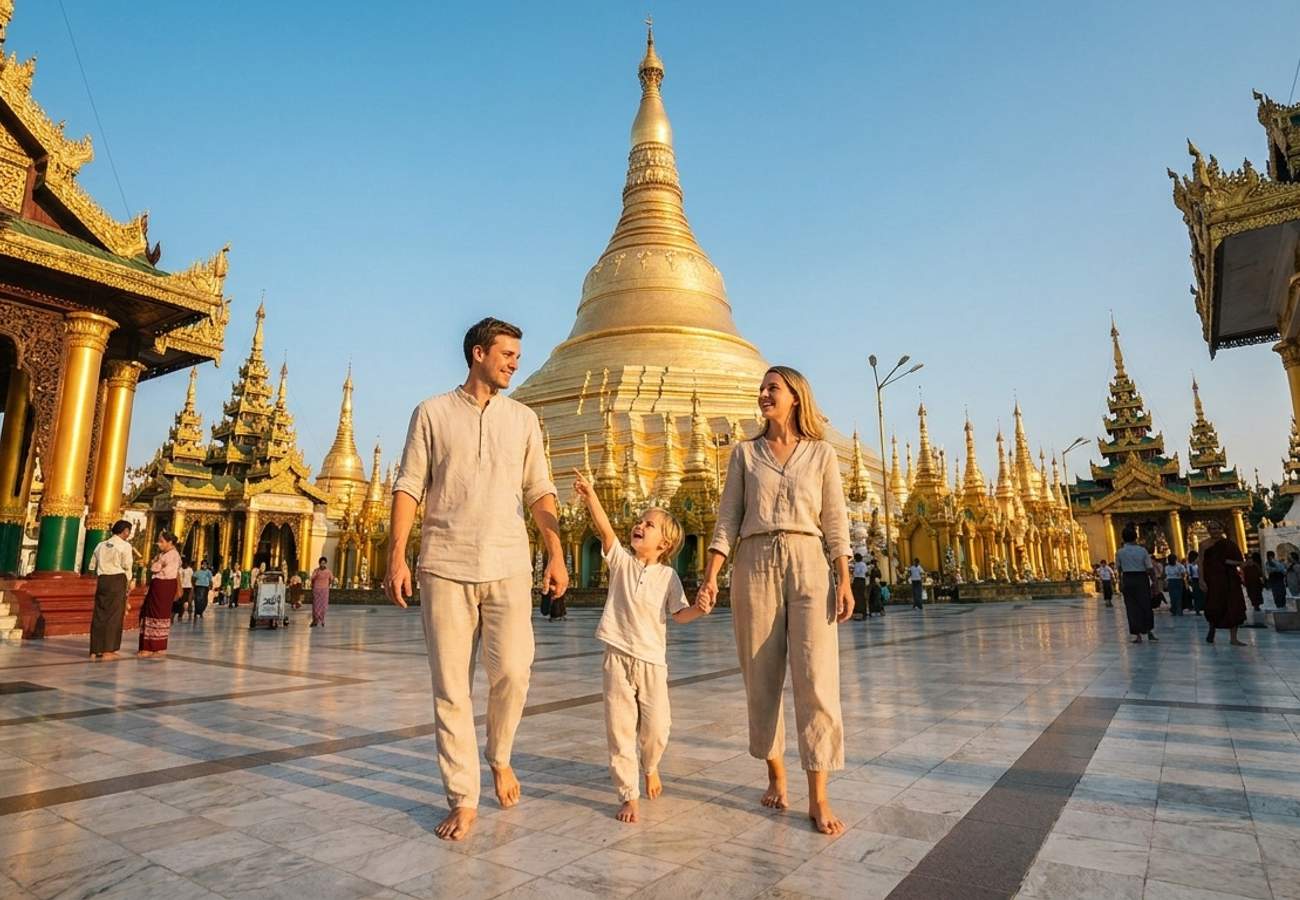
Image generated by AI
[Naypyidaw, July 7, 2026] — The military-backed government of Myanmar is launching a comprehensive strategic pivot to reverse years of international isolation by easing visa restrictions and aggressively promoting its spiritual landmarks. By positioning Buddhist temples and pilgrimage sites as the primary drivers of an economic recovery, officials aim to signal regional stability following a recent national election.
The initiative represents a calculated attempt to transition the country from a zone of conflict and diplomatic sanctions toward a viable destination for international leisure and religious travel. This shift is designed to demonstrate that specific cultural corridors have stabilized, providing a blueprint for a broader return to the global stage.
Spiritual Heritage as a Catalyst for Southeast Asia Travel
For the modern traveler, the experience of visiting Myanmar is being intentionally reshaped to emphasize the preservation of its religious identity. The Shwedagon Pagoda in Yangon continues to serve as the focal point of this strategy, acting as a symbol of the nation's enduring architectural and spiritual allure.
Industry reports indicate that the government is focusing on three primary pillars to attract visitors:
- Infrastructure Upgrades: Luxury hotel properties are undergoing extensive refurbishments to align with international hospitality standards.
- Security Measures: Local authorities are implementing new protocols to address the safety concerns that have historically deterred Western and Asian tourists.
- Cultural Authenticity: There is a renewed push to offer immersive experiences that allow visitors to engage with centuries-old traditions and monastic life.
The current atmosphere is being carefully managed to project an image of serenity and cultural depth. By improving the maintenance of historic sites and enhancing accessibility between cities, officials hope to integrate Myanmar more effectively into the broader Southeast Asia travel circuit.
Targeting 1.8 Million Visitors to Stimulate Foreign Investment
The scale of the government's ambition is reflected in its quantitative targets. According to industry sources, authorities have set a goal to nearly double foreign visitor arrivals, targeting 1.8 million tourists within the current year.
This growth strategy relies heavily on a targeted outreach campaign aimed at neighboring markets. Specifically, China and Thailand are being prioritized due to their robust travel demand and existing cultural ties. The logic is that a steady stream of regional tourists will create a "perception of normalcy" that is required to attract larger capital inflows.
Observers note that the revitalization of the tourism sector is not merely about ticket sales or hotel occupancy. Instead, it is being used as a soft-power tool to encourage hesitant foreign investors to return. By demonstrating that the country can safely manage millions of international visitors, the government intends to prove that the environment is once again conducive to long-term business commitments.
Streamlining Entry with New Myanmar Visa Policy Updates
To facilitate this influx of travelers, a systemic overhaul of the national regulatory framework is currently underway. The government is dismantling bureaucratic hurdles and simplifying the entry process to remove friction for global arrivals.
Travelers navigating these changes are advised to consider the following operational updates:
| Feature | Implementation Detail | Objective |
|---|---|---|
| Visa Regulations | Systematic easing of entry requirements | Increase visitor volume and reduce friction |
| Infrastructure | Improved connectivity between pilgrimage sites | Reduce transit times for tourists |
| Digital Access | Launch of new dedicated tourism portals | Streamline booking and itinerary planning |
| Safety Guidance | Proactive dissemination of restriction data | Ensure traveler security via digital platforms |
| Policy Monitoring | Regular government updates on entry rules | Maintain real-time compliance for visitors |
These logistical improvements are intended to make the journey through Myanmar's interior as seamless as possible, particularly for those visiting remote religious landmarks.
Shift from Isolation to Active Liberalization
The current trajectory marks a definitive departure from the restrictive environment that followed the 2021 coup. In the immediate aftermath of that period, the tourism industry remained stagnant, crippled by severe international travel warnings and a collapse in flight connectivity.
The previous administrative focus was centered on internal control and security. However, the current strategy represents a reversal of that isolationist stance. By prioritizing the promotion of Buddhist sites—which are universally recognized and viewed as neutral cultural assets—the government is attempting to bypass the political baggage of recent years.
This transition from a closed-door policy to active global promotion is a strategic attempt to reclaim Myanmar's status as a top-tier destination in the region. The use of spiritual assets allows the state to project an image of stability and continuity, contrasting sharply with the volatility of the previous five years.
Why This Matters: The Geopolitical Weight of Tourism
The push to revive Myanmar's tourism sector is more than a commercial venture; it is a litmus test for the nation's political legitimacy. In the aviation and travel industry, "tourism confidence" often precedes diplomatic normalization. If Myanmar successfully hits its 1.8 million visitor target, it will provide the military-backed government with a powerful narrative of stability to present to the United Nations and other global bodies.
Furthermore, the focus on religious tourism creates a specialized "safe zone" economy. By channeling visitors into curated pilgrimage circuits, the state can maintain tight control over movement while still reaping the economic benefits of foreign currency. This model allows the government to experiment with liberalization in a controlled environment before expanding it to other sectors of the economy.
For the global travel industry, this move signals a potential shift in the Southeast Asian map. A stabilized Myanmar could reopen lucrative corridors between Thailand, China, and India, potentially altering the regional flow of transit and aviation traffic. However, the success of this strategy depends entirely on whether the "perception of normalcy" matches the reality on the ground for the average traveler.
The international community remains watchful as Myanmar attempts to trade its political volatility for the steady growth of spiritual tourism.
Related Travel Guides
Disclaimer
This article is for informational and educational purposes only. It does not constitute legal, financial, or professional advice. While we strive to provide accurate and up-to-date information, travel policies, regulations, and conditions change rapidly. Always verify information with official sources before making travel decisions. Nomad Lawyer makes no representations about the accuracy, reliability, completeness, or suitability of the information provided. Readers should consult qualified professionals for advice specific to their circumstances. The views expressed in this article are those of the author and do not necessarily reflect the views of Nomad Lawyer.
Preeti Gunjan
Contributor & Community Manager
A passionate traveller and community builder. Preeti helps grow the Nomad Lawyer community, fostering engagement and bringing the reader experience to life.
Learn more about our team →