
Municipal Tourism Reinvestment: Roseburg, Oak Harbor, and US Cities Deploy Hotel Tax Grants for Off-Season Growth
Roseburg, Oregon launches its Fall Tourism Grant Program alongside Oak Harbor, Redmond, and Yakima, reinvesting lodging taxes into off-season visitor projects.

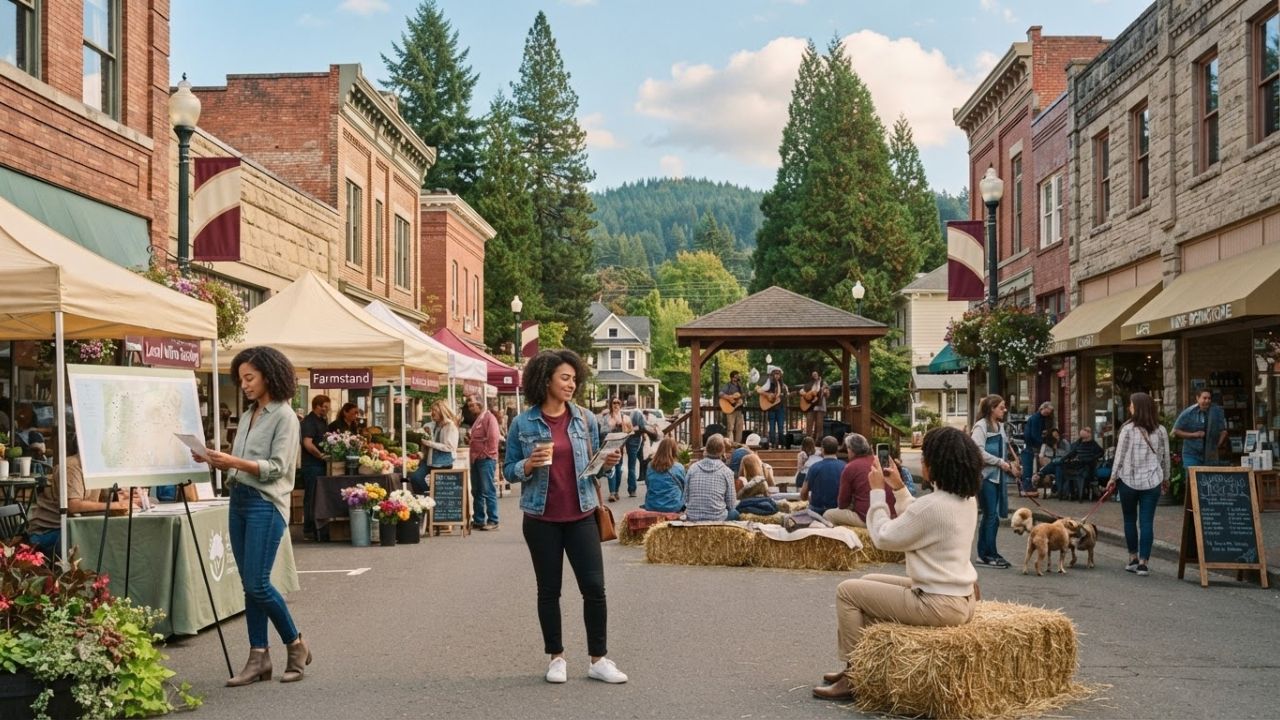
Image generated by AI
Harnessing visitor-generated revenue to build year-round economic resilience, municipalities across the Pacific Northwest and wider United States are rolling out competitive lodging-tax grant cycles, headlined by Roseburg, Oregon launching its fall funding round offering awards up to $7,500 for off-season tourism initiatives.
The Virtuous Reinvestment Cycle: How Hotel Taxes Fuel Destination Evolution
A quiet revolution is transforming municipal destination management across America. Rather than absorbing transient lodging taxes into general city treasuries or limiting expenditure strictly to conventional print advertising, progressive municipal governments are recycling accommodation tax revenue directly back into grassroots tourism infrastructure.
The core principle operates as a self-sustaining economic engine: visitors book rooms in local hotels, motels, and short-term rentals; a dedicated percentage of gross room receipts flows into a municipal tourism fund; and local authorities competitively award those funds to regional businesses, non-profits, and civic groups. These grantees then stage cultural festivals, develop visitor facilities, produce digital destination marketing, and organize sporting tournaments that attract the next influx of overnight travelers.
Leading this movement in Oregon's Umpqua Valley, the City of Roseburg has opened its Fall Tourism Grant Program, accepting applications from September 1 through October 30, 2026. By providing individual grants of up to $7,500—elevated by the City Council from an earlier $5,000 cap—Roseburg explicitly targets projects that generate overnight room nights during the traditional off-season window between Labor Day and Memorial Day, as well as capital projects with an expected lifespan of at least ten years.
Comparative Municipal Frameworks: Pacific Northwest and Midwest Grant Allocations
While Roseburg deploys micro-grants to stimulate shoulder-season activity, other American municipalities operate lodging-tax programs scaled to six-figure community investments.
| Municipal Jurisdiction & State | Program Name & Funding Source | Financial Scope & Allocation | Key Application Cycle & Status | Core Strategic Priorities |
|---|---|---|---|---|
| Roseburg, Oregon | Fall Tourism Grant Program (Transient Lodging Tax) | Up to $7,500 per award | Fall 2026: 1 Sept–30 Oct 2026 | Off-season travel (Labor Day to Memorial Day), 10-year capital assets |
| Oak Harbor, Washington | 2027 Lodging Tax / Tourism Promotion Grants | $375,000 available from $475,000 approved fund | Applications ran 22 Jul–14 Aug 2026 | Major festivals (Whidbey Island Marathon, Music Festival), visitor facilities |
| Redmond, Washington | 2027 Tourism Grants (1% Lodging Tax) | Covers up to 50% of total project cost | Applications closed 10 Aug 2026 | Attracting visitors from 50+ miles away, prioritization of overnight stays |
| Woodinville, Washington | 2027 Tourism Promotion Grant (1% Hotel Tax) | Estimated $217,000 fund (Awards $500–$50,000) | Deadline 10 Aug 2026 (Awarded Dec 2026) | Wine country tourism, chamber and Main Street non-profit initiatives |
| Yakima, Washington | 2027 Tourism Promotion Grant Program | Hotel/motel lodging tax (<30-day stays) | Applications ran 1 Jun–1 Jul 2026 | Agricultural tourism promotion, convention development, public agencies |
| Snohomish, Washington | Lodging Tax Grant Program | Up to $10,000 per project ($26,000 total pool) | 2026 cycle ran 16 Feb–15 Mar 2026 | Historic downtown events, antique capital marketing, visitor services |
| Marysville, Washington | Tourism Grant Program | Hotel/motel room night tax | 2026 cycle closed 20 Oct 2025 | Sports tourism tournaments, regional event marketing |
| Monroe, Washington | Lodging Tax Grant Program | Municipal lodging tax revenue | 2027 cycle opens Fall 2026 | Fairgrounds events, equestrian competitions, outdoor recreation |
| Grinnell, Iowa | Tourism Grant Program (Hotel-Motel Tax) | Discretionary event and attraction grants | Quarterly: 15 Jan, 15 Apr, 15 Jul, 15 Oct | Architectural heritage tourism, collegiate athletics, cultural events |
| Mattoon, Illinois | Municipal Tourism Grants (Hotel-Motel Tax) | Ongoing event and convention allocations | Continuous municipal review | Sports tourism, convention hosting, regional overnight non-residents |
Deep Dive: Scaling Reinvestment from Whidbey Island to Woodinville Wine Country
The diversity in program mechanics reveals how local governments calibrate lodging tax distribution to match their distinct economic geographies:
- Oak Harbor's High-Capacity Fund ($375,000 Available): On Whidbey Island, Oak Harbor’s City Council approved a comprehensive $475,000 lodging-tax budget for 2027, leaving $375,000 for competitive single-year and multi-year grants reviewed by the Lodging Tax Advisory Committee (LTAC). Past disbursements have provided vital financial backing for marquee gatherings such as the Whidbey Island Marathon, the Oak Harbor Music Festival, Oaktoberfest, and the Tour de Whidbey cycling challenge, ensuring community festivals possess the marketing reach to fill island hotels.
- Redmond's 50-Mile Overnight Rule: Positioned in King County's technology hub, Redmond mandates that grant-funded initiatives specifically draw participants traveling from beyond a 50-mile radius. By requiring applicants to match at least 50% of total project costs from outside funding, Redmond ensures municipal dollars leverage substantial private capital.
- Woodinville’s Viticultural Tourism Focus: Renowned for more than 130 wineries and tasting rooms, Woodinville channels its estimated $217,000 grant pool into destination marketing organizations, chambers of commerce, and culinary associations. With historical grants averaging $10,000, the program stimulates year-round luxury agritourism and weekday corporate retreats.
- Yakima’s Multi-Accommodation Tax Base: Yakima taps lodging taxes across hotels, RV parks, and bed-and-breakfast stays under 30 days, funneling public resources directly to non-profit organizations promoting Central Washington’s craft beer, hop harvest, and apple orchard tourism.
Cultural and Regional Dividends: Unlocking Oregon's Umpqua Valley
For cultural travelers, the practical impact of Roseburg's grant program is visible throughout the lush river corridors of Douglas County. Known historically as the "Timber Capital of the Nation," Roseburg has evolved into an extraordinary haven for viticulture, fly-fishing, and waterfall exploration.
Roseburg sits at the heart of the Umpqua Valley AVA, the birthplace of Oregon’s commercial Pinot Noir industry, where pioneer Richard Sommer planted the state's first post-Prohibition Pinot Noir vines at HillCrest Winery in 1961. Today, dozens of family-operated estate vineyards produce acclaimed Tempranillo, Syrah, and Riesling across rolling valley hillsides.
By directing lodging-tax grants toward the off-season window between Labor Day and Memorial Day, Roseburg incentivizes winter truffle festivals, harvest vineyard tours, and cultural exhibitions at the Douglas County Museum of History and Natural History. This off-season funding directly supports the local hospitality workforce, keeping tasting rooms, farm-to-table bistros, and fly-fishing lodges open year-round along the wild North Umpqua River.
Local Insider Tips for Exploring Roseburg and the Umpqua Valley
Travelers visiting southwestern Oregon can maximize their experience with these curated local recommendations:
- Target the Autumn Harvest Window (October–November): Experience the valley when the grape harvest reaches its peak and hillside vineyards ignite with brilliant golden and crimson hues. Tasting rooms are peaceful, winemakers often host visitors personally, and afternoon temperatures hover comfortably in the mid-60s.
- Drive the Iconic "Highway of Waterfalls": Follow Oregon Route 138 East from Roseburg alongside the emerald waters of the North Umpqua River toward Crater Lake National Park. Stop at Toketee Falls—a dramatic two-tiered cascade plunging 113 feet through columnar basalt formations—and Watson Falls, the third-highest waterfall in Oregon at 272 feet.
- Experience the Colliding Rivers Phenomenon: Visit the small community of Glide, just 17 miles northeast of Roseburg, to view the Colliding Rivers—the only place in North America where two rivers (the North Umpqua and the Little River) meet in a direct, head-on collision over a rugged basalt ledge.
- Observe Strict River Conservation Etiquette: The North Umpqua River is a fabled sanctuary for wild summer and winter steelhead. Certain sections, such as the 31-mile stretch from Rock Creek to the deadline at Soda Springs Dam, are strictly designated as "Fly-Fishing Only." Always verify Oregon Department of Fish and Wildlife (ODFW) regulations, use barbless hooks, and practice gentle catch-and-release handling.
- Sample Hyper-Local Gastronomy: Pair regional Umpqua Valley Tempranillo with seasonal dishes featuring wild Oregon chanterelle mushrooms, pan-seared Pacific salmon, and artisanal cheeses produced by local creamery cooperatives.
Long-Term Tourism Outlook: Sustainable Destination Governance
The proliferation of municipal lodging-tax grants demonstrates a mature, self-reliant model of tourism governance. Rather than relying on volatile state budgets or overburdening local residential property owners, cities like Roseburg, Oak Harbor, and Woodinville are empowering travelers to fund the very cultural events, parks, and heritage landmarks that make their visits memorable.
By holding grant recipients accountable through rigorous post-project economic reporting, municipal councils ensure that every dollar of visitor tax revenue generates measurable returns in local commerce, community vitality, and sustainable destination preservation.
Frequently Asked Questions: Municipal Lodging Tax Grants
How much funding does Roseburg offer in its Fall Tourism Grant Program? Roseburg offers competitive grants of up to $7,500 per award for eligible businesses, non-profits, and government entities, with applications accepted from September 1 to October 30, 2026.
What is the primary funding source for these city tourism grants? These grant programs are funded through municipal transient lodging taxes (hotel/motel bed taxes) paid by overnight guests staying in hotels, motels, and short-term rentals.
Which city operates the largest grant fund among the highlighted Pacific Northwest examples? Oak Harbor, Washington approved a $475,000 program allocation for its 2027 cycle, with $375,000 remaining available for eligible single-year and multi-year tourism promotion grants.
Why do municipal programs like Roseburg and Redmond emphasize off-season and overnight stays? Overnight travelers generate lodging tax revenue and spend substantially more on dining, retail, and local services. Encouraging travel during shoulder seasons (between Labor Day and Memorial Day) stabilizes local businesses throughout the entire year.
Related Travel Guides
Disclaimer
This article is for informational and educational purposes only. It does not constitute legal, financial, or professional advice. While we strive to provide accurate and up-to-date information, travel policies, regulations, and conditions change rapidly. Always verify information with official sources before making travel decisions. Nomad Lawyer makes no representations about the accuracy, reliability, completeness, or suitability of the information provided. Readers should consult qualified professionals for advice specific to their circumstances. The views expressed in this article are those of the author and do not necessarily reflect the views of Nomad Lawyer.
Raushan Kumar
Founder & Lead Developer
Full-stack developer with 11+ years of experience and a passionate traveller. Raushan built Nomad Lawyer from the ground up with a vision to create the best travel and law experience on the web.
Learn more about our team →