
Munich Airport Control Tower Evacuation Paralyzes Germany's Busiest Hub, Suspends All Flights for Two Hours in Smoke Scare
Munich Airport forced complete flight suspension after smoke detected in air traffic control tower forced emergency evacuation on June 7, 2026, stranding thousands of passengers across Europe.

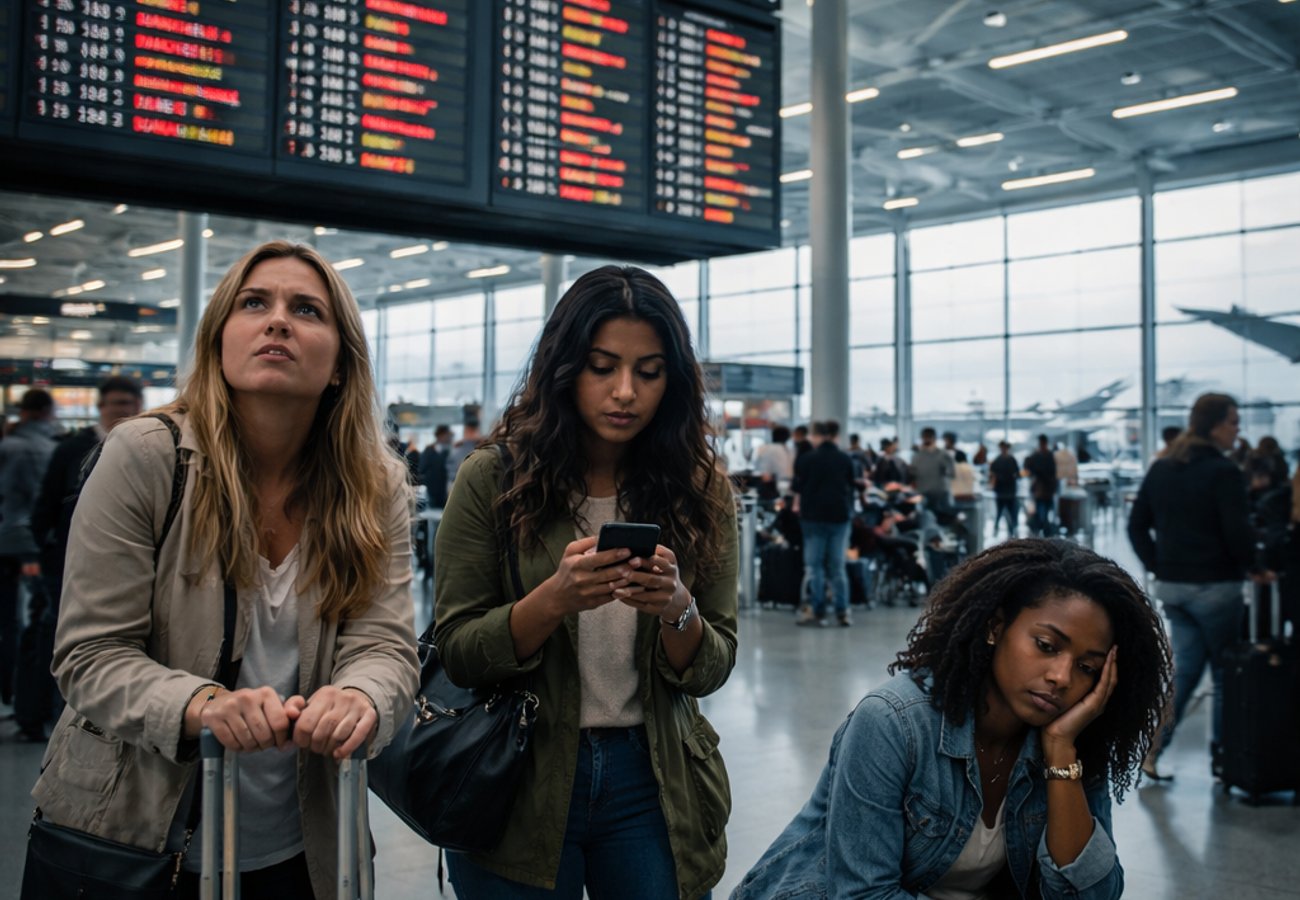
Image generated by AI
At 20:33 local time on June 7, 2026, Munich Airport—one of Europe's most critical aviation hubs—descended into controlled chaos. Air traffic controllers detected an intense burning odour inside the airport's control tower and immediately evacuated the facility. What followed was a complete suspension of all flight operations that would strand thousands of passengers and ripple across European flight schedules.
The Moment Control Tower Operations Halted
The control tower at Munich Airport is the nerve centre of one of Germany's largest international gateways. It manages every aircraft movement on runways, taxiways, and in surrounding airspace—a responsibility that cannot be delegated or deprioritized.
When personnel detected the smoke smell at roughly 20:33, emergency protocols activated instantly. All staff abandoned the tower. Deutsche Flugsicherung (DFS), Germany's national air navigation authority, immediately issued a blanket flight suspension. No departures. No arrivals. Nothing moved.
"The control tower is the heartbeat of any major airport," explains aviation safety regulation under ICAO standards. A single evacuation means total operational shutdown. There are no backup control facilities for Munich's complex airspace. When the tower goes dark, the entire airport freezes.
Thousands of Travelers Left Waiting in Terminal Limbo
The suspension cascaded across domestic German routes and international flights spanning Europe and beyond. Planes sitting at gates couldn't push back. Aircraft already airborne were diverted to alternative airports to avoid dangerous holding patterns. Connecting passengers watched their onward flights slip away in real-time.
Reddit: "Stuck at Munich for 3 hours with no real updates. The airport staff had no answers—just kept saying 'safety protocols.' At least they took it seriously." — r/travel
Airlines scrambled to resequence schedules, manage runway slots, and communicate revised departure times. Passengers refreshed flight status apps obsessively, checking gate assignments that changed every 15 minutes. The airport's terminals filled with frustrated travellers, delayed crew changes, and the operational anxiety that defines airport chaos.
The temporary shutdown affected a staggering volume of people. Some estimates suggested thousands of passengers impacted across multiple airlines and flight legs. The disruption wasn't just about missing flights—it was about missed connections, rebookings, hotel cancellations, and the cascading logistical nightmare that haunts European aviation when a major hub goes offline.
Fire Teams Respond: No Active Fire Detected
Firefighting and emergency teams deployed immediately to inspect the control tower. This wasn't a drill. The protocol when smoke is reported in critical infrastructure is absolute: investigate, confirm safety, restore operations only when fully assured.
The inspection revealed something important: no flames, no visible smoke, and no active fire hazards were found inside the tower. The intense burning odour remained unexplained initially, but preliminary findings suggested a mechanical or ventilation malfunction rather than combustion.
This distinction mattered legally and operationally. A true fire would have triggered extended facility closures and structural assessments. A technical malfunction meant inspections, checks, and restoration could follow a faster timeline. But until safety was confirmed, the suspension remained absolute.
Flight Operations Resume After Nearly Two Hours
At approximately 22:15 local time—nearly two hours after evacuation—controllers returned to the tower. Safety confirmation had been achieved. Flight operations gradually resumed.
But "resume" doesn't mean immediate normalization. A two-hour complete shutdown creates a backlog that reverberates for hours. Delayed departures compounded with inbound aircraft landing ahead of schedule. Gate assignments shifted. Crews worked against circadian limits to resequence flights efficiently. The airport's operations teams moved into damage control mode, working through the night to restore schedule integrity.
Passengers experienced delays well into the evening. Those with tight connections faced rebooking onto next-day flights. Some were offered hotel accommodations or meal vouchers. Others simply waited in holding patterns—both literal and figurative—as the airport's operational machinery gradually recovered momentum.
Technical Malfunction Suspected as Root Cause
Officials indicated that an issue within the control tower's ventilation or mechanical systems likely caused the burning smell. According to aviation maintenance standards outlined by EASA, control tower infrastructure requires routine inspections and preventative maintenance protocols.
The incident exposed potential gaps. Munich Airport and DFS initiated comprehensive safety reviews following the event, including detailed inspections of ventilation systems, electrical infrastructure, emergency response protocols, and backup communication equipment. The goal: prevent recurrence and maintain the airport's status as a reliable European travel hub.
No fire investigation was launched, but technical audits were thorough. Authorities understand that even false alarms represent infrastructure vulnerabilities that demand resolution.
Munich Airport's Operational Significance and Recovery
Munich Airport handles millions of passengers annually. It's a critical node in Europe's aviation network, serving as a major hub for connections across the continent. The control tower oversight extends beyond the airport's runways—it manages surrounding controlled airspace, ensuring separation of aircraft across multiple flight levels and departure corridors.
A brief evacuation paralyzes everything. That's not a flaw in the system—that's the system working exactly as designed. Safety trumps convenience every single time. European aviation regulators, airlines, and airport operators universally prioritize passenger protection over operational continuity.
The incident demonstrated this commitment in real-time. Yes, thousands were delayed. Yes, schedules were disrupted. But the moment safety was questioned, operations halted completely. No negotiation. No cost-benefit analysis. Just immediate suspension and comprehensive investigation.
Lessons and Ongoing Safety Commitments
This wasn't Munich Airport's first crisis, nor will it be its last. Major European hubs operate in an environment of perpetual risk assessment. Weather events, technical failures, medical emergencies, security concerns—any trigger a response that may include temporary closures or operational restrictions.
What distinguishes professional airport operations is the speed of response, the thoroughness of investigation, and the commitment to transparency. Munich Airport executed all three. Passengers received real-time status updates. Emergency services responded within minutes. Safety reviews commenced immediately.
For travelers passing through Munich in the future, the June 7 incident shouldn't inspire anxiety—it should inspire confidence. An airport that evacuates its control tower the moment something seems wrong is an airport that takes passenger safety absolutely seriously.
When infrastructure goes dark, safety goes bright.
Related Travel Guides
-
Norfolk America Airport: United Delays 16 Flights, Cancels 6 on March 25
-
US Budget Airlines Demand $2.5 Billion Federal Bailout as Jet Fuel Crisis Escalates
Disclaimer: This article documents actual aviation safety events and operational protocols. For real-time flight status updates during airport disruptions, always consult your airline directly or visit the airport's official website. Deutsche Flugsicherung and Munich Airport maintain detailed safety documentation for passenger reference.
Kunal K Choudhary
Co-Founder & Contributor
A passionate traveller and tech enthusiast. Kunal contributes to the vision and growth of Nomad Lawyer, bringing fresh perspectives and driving the community forward.
Learn more about our team →