
Monterey Direct Flights Return 2026: Unlocking California's Central Coast, Carmel, and Big Sur

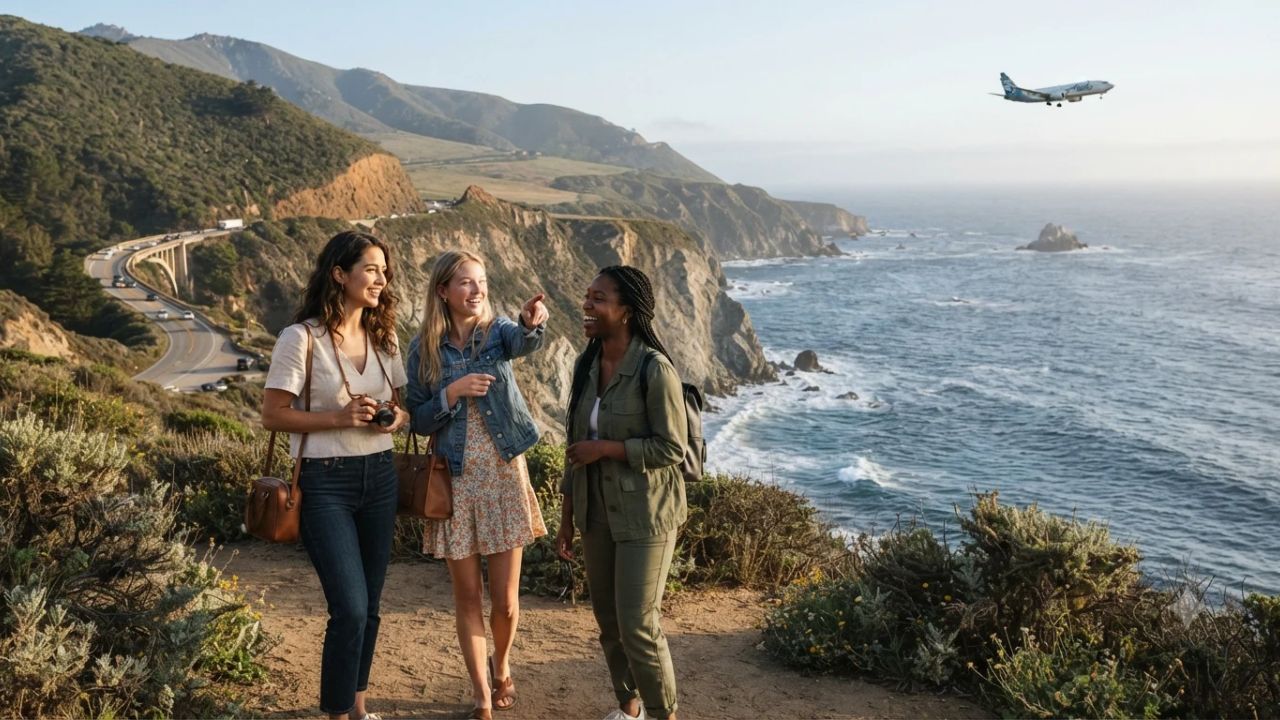
For nearly two decades, travelers seeking the misty redwood canyons of Big Sur and the storybook cottages of Carmel-by-the-Sea faced a grueling two-hour slog through Silicon Valley freeway gridlock after landing in San Francisco or San Jose. Starting December 2026, that transit barrier evaporates as Monterey Regional Airport (MRY) restores direct air connections, giving international and domestic visitors immediate tarmac access to California's most dramatic maritime shoreline. By landing mere minutes from the Pacific oceanfront, travelers bypass metropolitan airport congestion and begin their coastal journeys without wasting precious vacation days behind the wheel of a highway commuter jam.
Restoring Coastal Aviation: The Rebirth of Monterey Regional Airport
The Central Coast of California has long occupied a legendary place in American travel lore, yet access has remained heavily dependent on Northern California's primary aviation hubs. Travelers arriving at San Francisco International Airport (SFO) or San Jose Mineta International Airport (SJC) routinely encounter heavy Bay Area highway traffic along Highway 101 and Route 17 before reaching Monterey County. The return of expanded direct air services to Monterey Regional Airport in December 2026 marks the end of a twenty-year hiatus for key non-stop regional corridors, transforming the airport into an agile, passenger-friendly entryway for leisure travelers.
Supported by regional tourism initiatives from Visit California, the aviation expansion reflects a wider national shift toward decentralized leisure travel. Rather than navigating cavernous international terminals and lengthy car rental shuttles in major metropolitan centers, visitors can land at Monterey's compact terminal, collect their luggage within fifteen minutes, and reach the historic Monterey Old Fisherman's Wharf or the cypress-fringed fairways of Pebble Beach in under a quarter-hour drive.
What Sets Monterey and the Central Coast Apart
The Monterey Peninsula packs an extraordinary concentration of distinct ecological zones, historic architecture, and marine biodiversity into a compact geographical footprint.
Protected by the federally preserved waters of the Monterey Bay National Marine Sanctuary, the bay harbors sea otters, harbor seals, and migrating humpback whales year-round. Immediately south, Carmel-by-the-Sea preserves a fairytale village character with no street addresses, illuminated by cozy courtyard bistros and world-renowned art galleries. Continuing along iconic Highway 1 leads drivers across the soaring Bixby Creek Bridge into Big Sur, where five-hundred-year-old coastal redwoods plunge dramatically into crashing Pacific surf.
| Travel Dimension | Monterey Regional Airport (MRY) | San Francisco International (SFO) | San Jose Mineta International (SJC) |
|---|---|---|---|
| Distance to Carmel & Monterey | 5 to 10 minutes | 110 miles (2 to 2.5 hours drive) | 75 miles (1.5 to 2 hours drive) |
| Distance to Big Sur (Bixby Bridge) | 40 minutes | Over 3 hours | Approximately 2.5 hours |
| Terminal Transit Experience | Intimate, walkable, rapid baggage claim | High passenger volume, terminal trains | Moderate volume, regional business hub |
| Best Suited For | Weekend coastal escapes & luxury retreats | Long-haul international flight routes | Tech corridor & Silicon Valley transit |
| Rental Car Access | Immediate on-site terminal counters | Multi-level transit airtrain connection | Consolidated rental facility shuttle |
Arriving directly at Monterey eliminates the fatigue of post-flight cross-county driving, allowing vacationers to align their arrival with coastal golden hour vistas and relaxed seaside dining.
Visitor Insider Tips for California's Central Coast
- Book Small-Footprint Rental Cars for Highway 1 Navigations: While full-size SUVs dominate airport rental lots, opt for a compact or mid-size vehicle when reserving at Monterey Regional Airport. Tight cliffside curves along Highway 1 south of Point Lobos and narrow parking lanes in Carmel-by-the-Sea favor agile, smaller cars.
- Observe Carmel's Unique Pedestrian and Street Etiquette: Carmel-by-the-Sea purposefully lacks street addresses, parking meters, and streetlights in residential zones to preserve its historic bohemian village ambiance. Houses carry whimsical names rather than numbers, so rely on cross streets when navigating to boutique inns. High heels over two inches technically require a local permit due to irregular stone pathways and tree roots.
- Time Big Sur Excursions for Early Morning Departures: To experience the dramatic coastal overlooks at Julia Pfeiffer Burns State Park and McWay Falls without tour bus congestion, depart Monterey or Carmel by 7:30 AM. Morning coastal fog frequently clears by mid-morning, revealing turquoise Pacific waters against sheer granite headlands.
- Sample Local Monterey Bay Seafood and Salinas Valley Produce: Skip chain restaurants along the main tourist strip and seek out local spots serving Monterey Bay red abalone, sand dabs, and spot prawns caught by regional day-boats. Pair dinner with Pinot Noir and Chardonnay sourced directly from the nearby Santa Lucia Highlands wine appellation.
- Pre-Reserve State Park Day Passes via California State Parks: Popular coastal reserves such as Point Lobos State Natural Reserve enforce strict parking limits to protect delicate tide pools and coastal scrub. Secure digital entry reservations or arrive before 8:30 AM via California State Parks to guarantee vehicle access.
Cultural Heritage and Marine Conservation Balance
The arrival of enhanced air connectivity brings renewed focus to the environmental stewardship of Monterey County's sensitive coastal ecosystems. The submarine Monterey Canyon, plunging over two miles deep beneath the bay, generates nutrient-rich cold-water upwellings that sustain one of the planet's most productive marine habitats.
Community organizations and marine research institutions, including the world-famous Monterey Bay Aquarium and Stanford University's Hopkins Marine Station, work alongside local harbor masters to regulate recreational boating and prevent disturbance to endangered southern sea otters.
Simultaneously, Big Sur's vulnerable geological terrain requires ongoing environmental management. Heavy winter rains along the Santa Lucia Mountains frequently cause landslides along Highway 1, necessitating strict conservation practices and sustainable tourism management. By encouraging direct regional arrivals, local authorities aim to cultivate high-value, slow-travel tourism that respects delicate coastal habitats, supports historic adobe preservation in downtown Monterey, and directly funds community-led trail stewardship.
FAQ: Visiting Monterey and the Central Coast 2026
When do the new direct flights to Monterey Regional Airport begin operating?
The expanded direct air services launch in December 2026, restoring key regional air links that have been absent from Monterey for nearly two decades.
How far is Monterey Regional Airport from Carmel-by-the-Sea and Big Sur?
The airport is approximately a ten-minute drive from Carmel-by-the-Sea and roughly forty minutes from the northern entry points of Big Sur.
Do I need a rental car when landing at Monterey Regional Airport?
Yes, renting a vehicle is strongly recommended for exploring Highway 1, Point Lobos State Natural Reserve, Pebble Beach's 17-Mile Drive, and regional coastal state parks.
What is the best season to explore the Monterey Central Coast?
September through November offers the clearest weather, warmest coastal temperatures, and lowest fog levels, while December through April provides prime gray whale migration viewing.
Where coastal redwoods meet the crashing Pacific surf, Monterey's restored air links open the door to timeless California road trips without the highway stress.
Related Travel Guides
Disclaimer
This article is for informational and educational purposes only. It does not constitute legal, financial, or professional advice. While we strive to provide accurate and up-to-date information, travel policies, regulations, and conditions change rapidly. Always verify information with official sources before making travel decisions. Nomad Lawyer makes no representations about the accuracy, reliability, completeness, or suitability of the information provided. Readers should consult qualified professionals for advice specific to their circumstances. The views expressed in this article are those of the author and do not necessarily reflect the views of Nomad Lawyer.
Kunal K Choudhary
Co-Founder & Contributor
A passionate traveller and tech enthusiast. Kunal contributes to the vision and growth of Nomad Lawyer, bringing fresh perspectives and driving the community forward.
Learn more about our team →