
California's Mediterranean Escape: Catalina Island Launches Value Packages Across Avalon and Two Harbors 2026

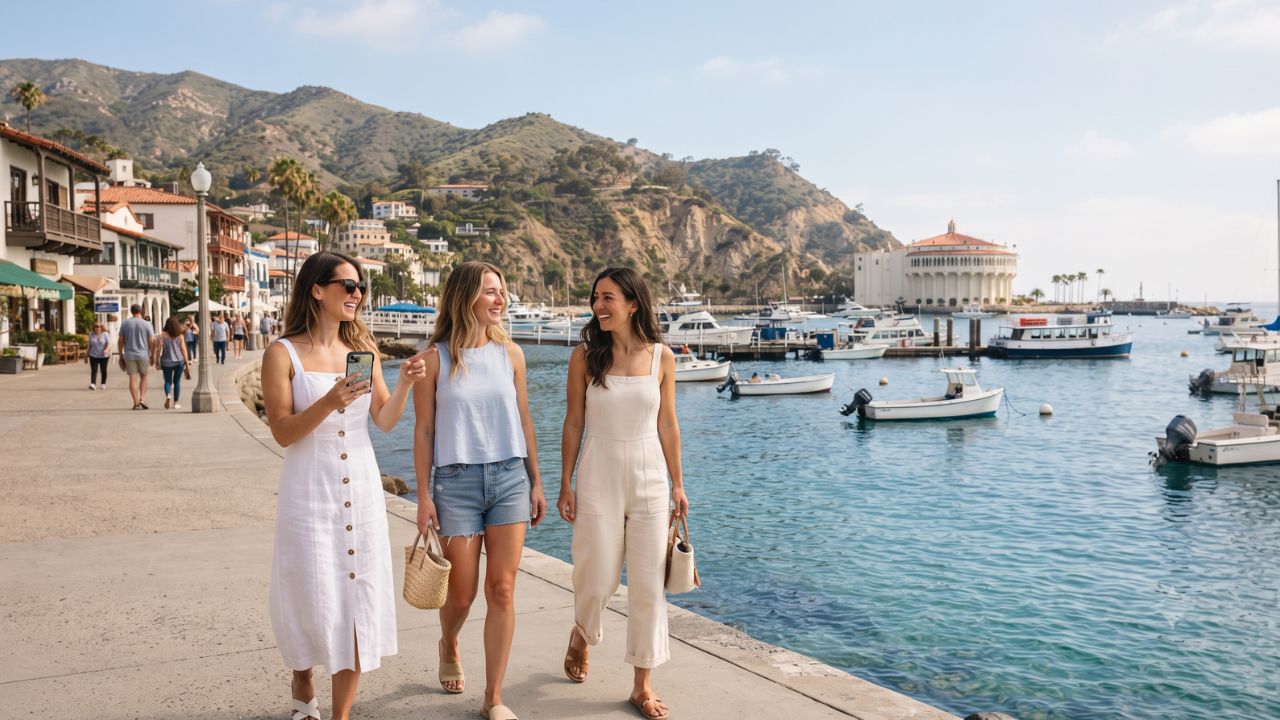
Located just 22 miles off the Southern California mainland, Santa Catalina Island preserves roughly 88% of its rugged interior through conservation trusts, creating an accessible Mediterranean-style sanctuary where electric golf carts replace cars and wild bison roam arid coastal bluffs. With the island tourism authority introducing end-of-summer and early autumn value packages combining ferry travel, boutique lodging, and eco-tours, travelers in 2026 can trade crowded Los Angeles highways for crystal-clear kelp forests and secluded coves in just over an hour.
Dual Coastlines: The Urban Energy of Avalon and Rustic Two Harbors
As outlined by the Love Catalina Island Tourism Authority, the island offers two contrasting travel bases connected by rugged inland trails and coastal shuttle boats:
- Avalon Waterfront Basin: The primary harbor town features historic Mediterranean-revival architecture, pebble beaches, fine waterfront dining, and iconic landmarks like the 1929 Catalina Casino. It serves as the main hub for glass-bottom boat tours, parasailing, and golf cart exploration along scenic hillside overlooks.
- Two Harbors Isthmus: Situated at the island's narrow 800-meter-wide waistline, Two Harbors caters to outdoor purists with rustic beachfront camping, sea kayaking through sea caves, and direct trailheads along the 38.5-mile Trans-Catalina Trail.
What Makes Santa Catalina Island Geographically Unique
Catalina's surrounding marine sanctuary boasts some of North America's healthiest giant kelp forests, protected under state marine reserve designations. Visibility underwater routinely reaches 12 to 15 meters during late summer and autumn, allowing snorkelers at Lover's Cove Marine Preserve and Casino Point Dive Park to swim alongside bright orange Garibaldi fish, bat rays, and harbor seals directly from shore.
Inland, the topography transitions into steep chaparral canyons and coastal summits. While exploring the interior with guided eco-jeeps, visitors often spot the endemic Catalina Island fox—a dwarf canid found nowhere else on the planet—alongside an 80-strong American bison herd descended from animals left behind by a 1924 Hollywood film production.
Visitor Insider Tips: Exploring Catalina Island Like a Local
- Book Mainland Ferry Crossings in Advance: High-speed catamarans operate daily from Long Beach, San Pedro, Dana Point, and Newport Beach. Morning departures sell out quickly on autumn weekends; secure your ferry tickets weeks ahead.
- Rent a Golf Cart for Interior Vistas: Private cars are heavily restricted on Catalina, with multi-decade waiting lists for residents. Rent a street-legal golf cart in Avalon for a two-hour self-guided tour up Wrigley Memorial and Botanic Garden to enjoy panoramic Pacific vistas.
- Visit Lover's Cove for Inshore Snorkeling: Skip crowded beach clubs and walk five minutes east of the Avalon ferry dock to Lover's Cove Marine Reserve. Bring your own mask and snorkel to experience world-class fish feeding without taking a tour boat.
- Sample Buffalo Milk Cocktails: Don't leave the island without trying Catalina's signature drink, the "Buffalo Milk"—a creamy blend of crème de cacao, Kahlúa, vodka, crème de banane, and milk created in Two Harbors during the 1970s.
Cultural and Environmental Context
Santa Catalina Island's long-term sustainability rests in the hands of the Catalina Island Conservancy, which stewards more than 42,000 acres of protected wilderness. The conservancy enforces strict trail permit systems, coordinates endemic plant restoration projects, and limits large-scale resort developments to protect scarce island groundwater resources.
Promoting late-summer and autumn travel packages aligns with initiatives by Visit California to distribute tourism benefits into the shoulder season. Visiting during September and October reduces peak utility strain on Avalon's desalination systems while providing consistent year-round income for island boat operators, dive masters, and family-owned restaurants.
FAQ: Visiting Catalina Island 2026
How do I get to Catalina Island from Los Angeles?
High-speed passenger ferries operate from Long Beach, San Pedro, Dana Point, and Newport Beach, taking approximately 60 to 75 minutes to reach Avalon or Two Harbors.
Do I need a passport or visa to visit Catalina Island?
No. Catalina Island is part of Los Angeles County, California. Domestic US travelers require standard state identification or a driver's license.
What is the best time of year to visit Catalina Island?
Late summer through October is ideal, offering the warmest water temperatures for snorkeling and diving, mild daytime weather, and smaller weekday crowds.
Can you drive a personal car on Catalina Island?
No. Visitors cannot bring personal vehicles on ferries. Island transportation relies on walking, electric golf carts, bicycles, and scheduled conservancy shuttles.
Just 22 miles from mainland California, Catalina Island proves that world-class coastal beauty and untouched wilderness require only a ferry ride.
Related Travel Guides
- The Edge of the World: Tierra del Fuego Redefines Wilderness Travel Across Ushuaia, Tolhuin, and Río Grande 2026
- Spain Adds 12.8 Million Airline Seats for October: Italy Surges 12.2% as Autumn Travel Network Expands
- Spain Travel Surge: Singapore Airlines Launches Five-Weekly Madrid Flights and Small-Group Tour Guide 2026
Disclaimer
This article is for informational and educational purposes only. It does not constitute legal, financial, or professional advice. While we strive to provide accurate and up-to-date information, travel policies, regulations, and conditions change rapidly. Always verify information with official sources before making travel decisions. Nomad Lawyer makes no representations about the accuracy, reliability, completeness, or suitability of the information provided. Readers should consult qualified professionals for advice specific to their circumstances. The views expressed in this article are those of the author and do not necessarily reflect the views of Nomad Lawyer.
Raushan Kumar
Founder & Lead Developer
Full-stack developer with 11+ years of experience and a passionate traveller. Raushan built Nomad Lawyer from the ground up with a vision to create the best travel and law experience on the web.
Learn more about our team →