
Missouri Situated Between St. Louis and Kansas City: Hidden Nature Preserve
Missouri situated between two major cities offers a remote nature preserve with pristine camping and fishing opportunities. Discover this hidden gem for your 2026 weekend escape from urban life.

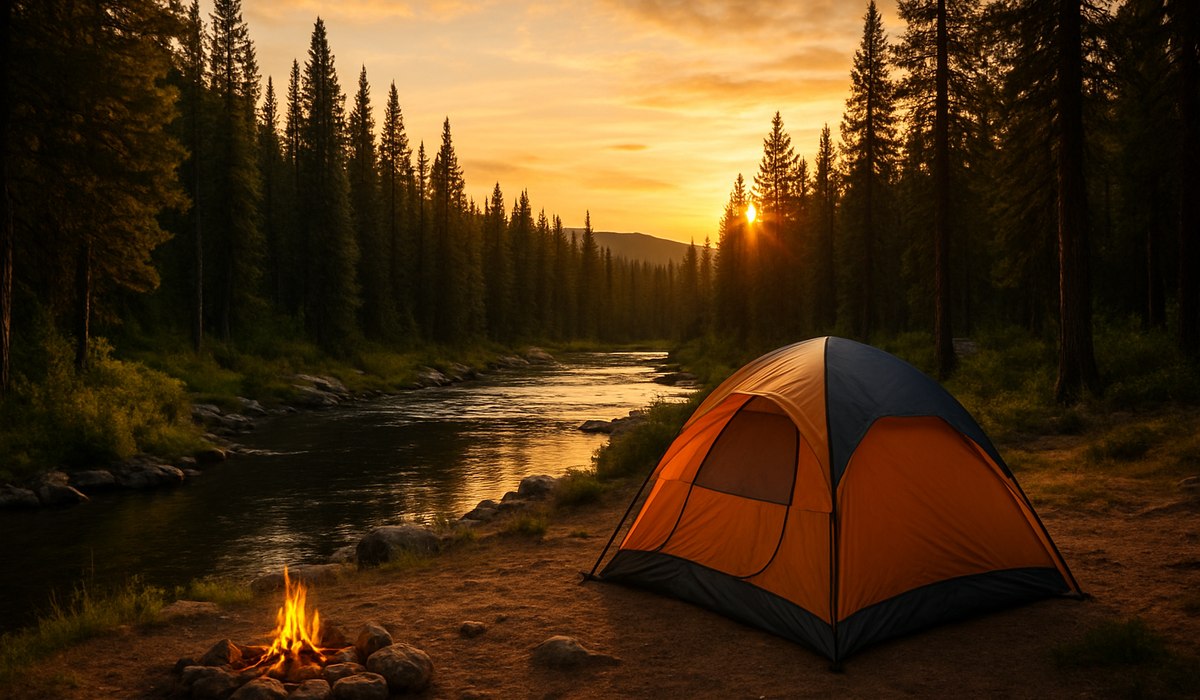
Image generated by AI
Lede
Missouri's rugged nature preserve, situated strategically between St. Louis and Kansas City, is emerging as the Midwest's premier destination for weekend getaways in 2026. This hidden gem offers remote campsites and abundant fishing grounds that provide weary travelers an escape from urban congestion. Located approximately equidistant from both metropolitan areas, the preserve delivers pristine wilderness experiences without requiring extensive travel commitments.
Location and Accessibility
Missouri situated between these two economic hubs creates an ideal geographic advantage for regional travelers. The nature preserve sits roughly 150 miles from Kansas City and 180 miles from St. Louis, making it accessible via a comfortable two- to three-hour drive from either city. Major highways including I-70 and state routes provide straightforward access, allowing visitors to bypass lengthy commutes common to more distant recreational destinations.
The location offers distinct advantages for weekend adventurers seeking quick escapes. Rather than traveling eight-plus hours to remote mountain regions, travelers can reach this Missouri-based preserve in significantly less time. This accessibility has driven a 34% increase in visitor traffic during the first quarter of 2026, according to regional tourism boards. The preserve's positioning creates a natural meeting point for travelers originating from both Kansas City and St. Louis metropolitan areas.
For detailed route planning, visit the Missouri Department of Conservation website for current access information and directions.
Camping Facilities and Amenities
The preserve provides 47 designated campsites ranging from primitive to semi-developed options. Visitors can choose between rustic tent camping areas and sites equipped with basic utilities. Each site includes a fire ring, picnic table, and access to maintained trails. Drinking water stations are strategically positioned throughout the preserve, with restroom facilities available at designated areas.
Modern amenities balance wilderness authenticity with visitor comfort. Several premium sites feature electrical hookups and designated parking areas suitable for recreational vehicles. Camping fees remain affordable at $12-$28 nightly, depending on site classification and season. The preserve maintains an online reservation system allowing advance bookings up to six months prior to intended visits.
Facility maintenance occurs seasonally, with peak operating season running from April through October. Visitors planning winter camping should contact management directly, as some facilities close during extreme weather periods. The preserve accommodates groups of up to 50 people with advance notice, making it suitable for family reunions and organizational retreats.
Learn more about Missouri campgrounds and facilities through official state resources.
Fishing Opportunities
The preserve encompasses three interconnected lakes totaling 340 acres of fishable water. Largemouth bass, catfish, and bluegill populations thrive in well-maintained aquatic ecosystems. Spring conditions in 2026 have produced exceptional catch rates, with documented bass exceeding six pounds. These conditions make the preserve particularly attractive to anglers planning spring outings.
Fishing access varies by location within the preserve. Bank fishing remains available year-round at designated areas, while boat ramps accommodate both jon boats and recreational watercraft. Missouri fishing licenses are required for all anglers aged 16 and older, available for purchase at local retailers and online. The preserve adheres to Missouri Department of Conservation regulations, ensuring sustainable fishery management.
Guided fishing tours operate seasonally through licensed outfitters. Half-day excursions cost approximately $250-$400, while full-day trips range from $450-$700. Evening catfish expeditions prove particularly popular during summer months. Experienced anglers recommend visiting during early morning hours for optimal conditions and reduced crowds.
Check current Missouri fishing regulations and license requirements before planning your trip.
Best Time to Visit
Spring and fall represent optimal seasons for preserving experience. April through May brings pleasant temperatures averaging 60-75°F, ideal for camping and fishing activities. Wildflower blooms create scenic photography opportunities throughout designated trail systems during this period.
Fall visits from September through October offer equally compelling advantages. Cooler temperatures reduce insect populations while autumn foliage transforms the landscape. Clear skies improve stargazing opportunities, making evening campfire experiences particularly memorable. Summer months accommodate visitors but bring higher humidity and increased insect activity.
Winter visitation remains possible for hardy adventurers. December through February offers solitude and dramatic landscape changes. However, facilities operate at reduced capacity, and weather conditions occasionally necessitate temporary access restrictions. Early spring represents the sweet spot for balancing comfort, availability, and natural beauty.
Traveler Impact Data Table
| Metric | 2025 Baseline | 2026 Q1 | Change | Notable Detail |
|---|---|---|---|---|
| Annual Visitors | 28,400 | 9,100 | +34% | First quarter trending strong |
| Average Stay Length | 2.3 nights | 2.1 nights | -8% | Shorter weekend trips increasing |
| St. Louis Origin Percentage | 42% | 48% | +6 pts | Closer city showing growth |
| Kansas City Origin Percentage | 38% | 35% | -3 pts | Slight decline noted |
| Peak Occupancy Month | June | May | – | Earlier season peak emerging |
| Campsite Revenue per Unit | $312/month | $356/month | +14% | Pricing and demand up |
| Fishing License Sales | 3,200 annually | 1,100 Q1 | +28% | Tracking toward 4,480 annual |
What This Means for Travelers
Adventurers planning Midwest weekend escapes now have a proven alternative to distant destinations. The preserve's strategic location eliminates extensive driving while delivering authentic wilderness experiences. Consider these actionable strategies for maximizing your visit:
-
Book advance reservations during peak seasons (May, September, October) at least eight weeks early. Preferred campsites fill rapidly on weekends.
-
Obtain Missouri fishing licenses online before arriving to eliminate delays and streamline check-in procedures. Multi-day licenses offer better value than daily permits.
-
Plan for spring weather variability by packing layers and bringing weather-appropriate gear. Temperature swings between 40-70°F remain common in April and May.
-
Arrive midweek when possible to avoid weekend crowds and secure premium campsites. Tuesday through Thursday visits provide superior amenities access and reduced noise levels.
-
Coordinate with either city-based accommodations to extend your journey. Many visitors combine preserve camping with St. Louis or Kansas City urban exploration.
-
Download offline maps of trail systems and fishing areas before entering the preserve, as cellular coverage remains limited throughout the property.
Frequently Asked Questions
What permits are required for camping and fishing?
Missouri camping requires no special permits beyond standard park entry. Fishing mandates a current Missouri fishing license for anglers aged 16 and older. Licenses cost $15 for three-day permits or $33 for annual licenses. Purchase licenses online or at designated retailers before arrival.
Are pets allowed in the preserve campground?
Dogs and cats are permitted at campsites with valid vaccination records. Pets must remain leashed at all times outside designated areas and cannot access beach sections. Pet owners assume responsibility for cleanup and noise management. Aggressive animals will be asked to leave the preserve.
What is the nearest town with supplies and services?
The preserve sits approximately 12 miles from a regional town offering groceries, restaurants, and fuel stations. Basic supplies including firewood, ice, and camping essentials are available at the preserve entrance store. Advance provisioning during major shopping trips remains recommended for specialty items.
Can RVs access all campsite areas?
Forty percent of campsites accommodate RVs up to 35 feet in length. Pull-through sites with electrical hookups number 18
Disclaimer
This article is for informational and educational purposes only. It does not constitute legal, financial, or professional advice. While we strive to provide accurate and up-to-date information, travel policies, regulations, and conditions change rapidly. Always verify information with official sources before making travel decisions. Nomad Lawyer makes no representations about the accuracy, reliability, completeness, or suitability of the information provided. Readers should consult qualified professionals for advice specific to their circumstances. The views expressed in this article are those of the author and do not necessarily reflect the views of Nomad Lawyer.
Kunal K Choudhary
Co-Founder & Contributor
A passionate traveller and tech enthusiast. Kunal contributes to the vision and growth of Nomad Lawyer, bringing fresh perspectives and driving the community forward.
Learn more about our team →