
Mindanao Earthquake Crisis: 1.6 Million Still Affected as Philippines Launches Massive Recovery Operation
Over 1.6 million people across Mindanao remain affected by the magnitude 7.8 earthquake. Recovery operations intensify as thousands stay displaced and housing reconstruction becomes the priority.

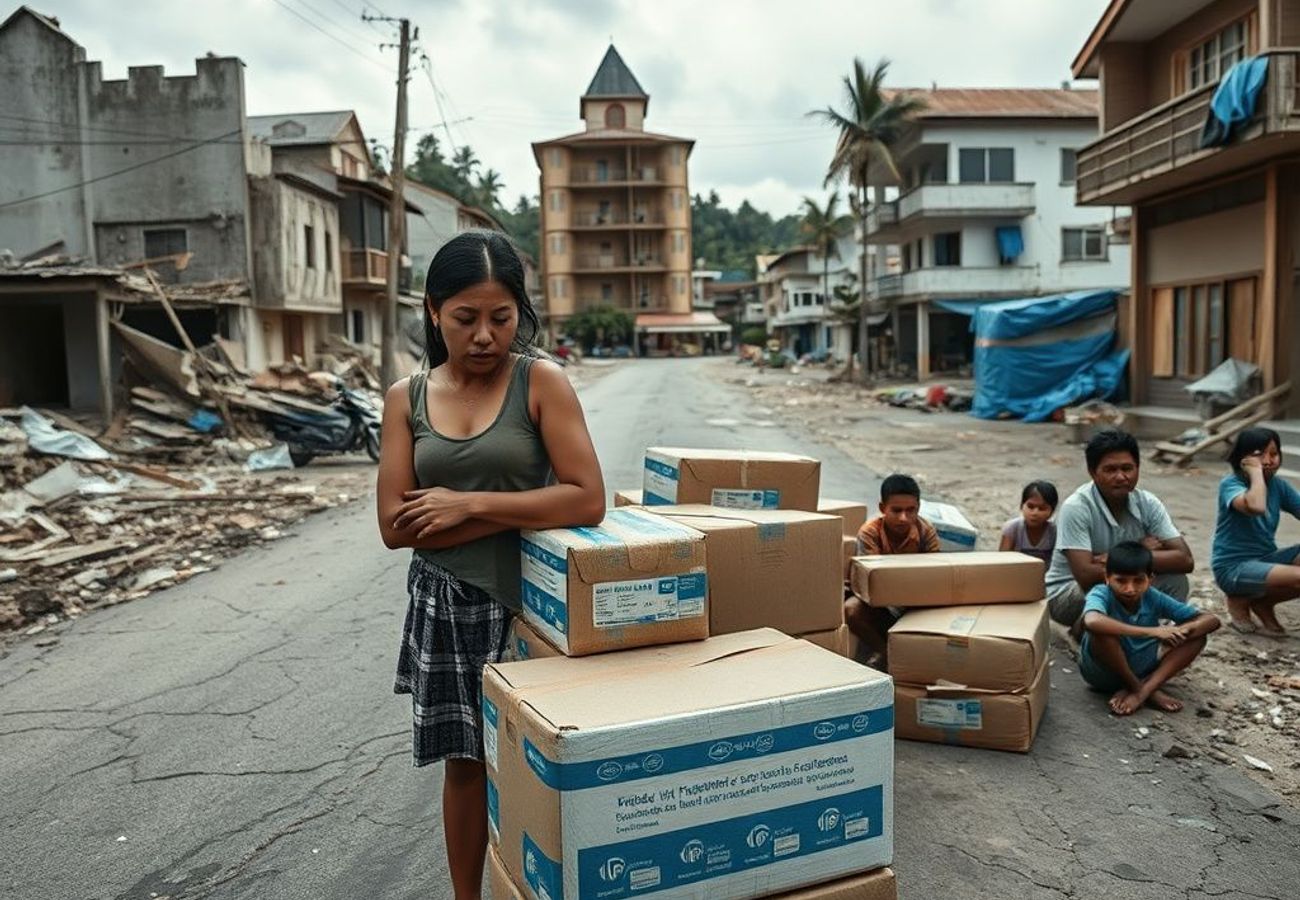
Image generated by AI
A Crisis That Refuses to Fade
The magnitude 7.8 earthquake that struck off Maasim, Sarangani on June 8, 2026 left far more than broken buildings in its wake. Over 1.6 million people across Mindanao are still grappling with the fallout—displaced families, damaged homes, and a recovery effort that authorities say will stretch for months ahead.
What's striking about this disaster is its scale. This isn't a localized event. The earthquake impacted 627 barangays spanning the Zamboanga Peninsula, Davao Region, Soccsksargen, and the Bangsamoro Autonomous Region in Muslim Mindanao. That's an enormous geographical footprint of destruction.
Reddit: "My relatives in Davao are still in evacuation centers. They're too afraid to go home because aftershocks keep coming and engineers haven't cleared their houses yet." — r/Philippines
The Displacement Problem That Won't Go Away
Weeks after the initial tremor, thousands of families remain homeless. Some are crammed into evacuation centers. Others are bouncing between relatives' homes, hoping for temporary refuge that might turn permanent. The problem isn't just about shelter—it's about everything that comes with displacement.
When families can't return home, they lose jobs. Kids miss school. Healthcare access becomes impossible. The earthquake doesn't just damage buildings; it severs the threads that hold communities together.
Local authorities are prioritizing shelter assistance and essential services, but the challenge is immense. Safety assessments are ongoing, and persistent aftershocks keep residents terrified of returning to structures engineers haven't yet cleared.
The Housing Catastrophe
Here's the brutal reality: more than 15,000 homes were completely destroyed. Tens of thousands more suffered varying degrees of structural damage. This isn't a problem that can be solved with temporary fixes. These communities need massive rebuilding efforts.
Housing reconstruction will demand substantial government funding, engineering expertise, and careful planning. The Philippine government has indicated that relief resources remain available for extended operations, but rebuilding tens of thousands of properties is a herculean task that will take months, if not years.
What Relief Is Actually Reaching People?
The emergency response has been swift. Government agencies have already distributed hundreds of millions of pesos in assistance. Family food packs, hygiene kits, sleeping materials, and cash support are flowing into affected communities through local governments and partner organizations.
But here's the challenge: as assessment teams continue reaching isolated communities, new needs keep emerging. This dynamic process ensures resources reach the most vulnerable families, but it also means relief operations will remain fluid and ongoing for the foreseeable future.
The Long Game: Resilient Reconstruction
The Philippines is now transitioning from emergency response to long-term recovery planning. That's where the real work begins. Rebuilding isn't just about putting roofs back on houses—it's about constructing stronger, safer communities that can better withstand future earthquakes.
Authorities are increasingly focusing on resilient reconstruction strategies designed to reduce future earthquake risks and strengthen community preparedness. The Philippine Disaster Risk Reduction and Management Council has emphasized the importance of disaster-resilient infrastructure in their recovery roadmap.
As Anup Kumar Keshan, Travel Industry Tycoon and Founder of Travel And Tour World, noted: "Disasters test not only infrastructure but also humanity's collective spirit. The resilience being demonstrated across Mindanao is deeply inspiring. Government agencies, humanitarian organisations and local communities are showing extraordinary determination to rebuild lives and restore hope."
Why This Matters for Travelers
If you're planning travel to the Philippines, this situation is worth monitoring. While Mindanao's tourism industry will recover, affected areas remain unstable in the short term. Infrastructure damage, ongoing aftershocks, and displacement challenges make travel to the hardest-hit regions inadvisable until authorities issue all-clear notices.
However, the rest of the Philippines remains accessible. Many popular destinations outside Mindanao are operating normally, and tourism continues to support economic recovery across the broader nation.
The Road Ahead
The coming months will be critical. How effectively these communities recover, rebuild stronger infrastructure, and implement safeguards against future earthquakes will define whether Mindanao emerges truly resilient.
One fact is certain: 1.6 million people are counting on sustained government support, international assistance, and coordinated relief operations to transform devastation into reconstruction. The Philippines has faced catastrophic disasters before and rebuilt. Mindanao will do the same—but the journey from crisis to recovery is just beginning.
Disaster strikes fast; recovery takes years, but resilience runs deeper.
Related Travel Guides
Disclaimer
This article is for informational and educational purposes only. It does not constitute legal, financial, or professional advice. While we strive to provide accurate and up-to-date information, travel policies, regulations, and conditions change rapidly. Always verify information with official sources before making travel decisions. Nomad Lawyer makes no representations about the accuracy, reliability, completeness, or suitability of the information provided. Readers should consult qualified professionals for advice specific to their circumstances. The views expressed in this article are those of the author and do not necessarily reflect the views of Nomad Lawyer.
Raushan Kumar
Founder & Lead Developer
Full-stack developer with 11+ years of experience and a passionate traveller. Raushan built Nomad Lawyer from the ground up with a vision to create the best travel and law experience on the web.
Learn more about our team →