
Magnitude 7.8 Earthquake Devastates Mindanao Philippines, Kills 50+ and Triggers Tsunami Alerts on June 8, 2026
A powerful 7.8 magnitude earthquake struck Mindanao on June 8, 2026, killing over 50 people, collapsing infrastructure, and triggering widespread tsunami warnings across the Pacific region.

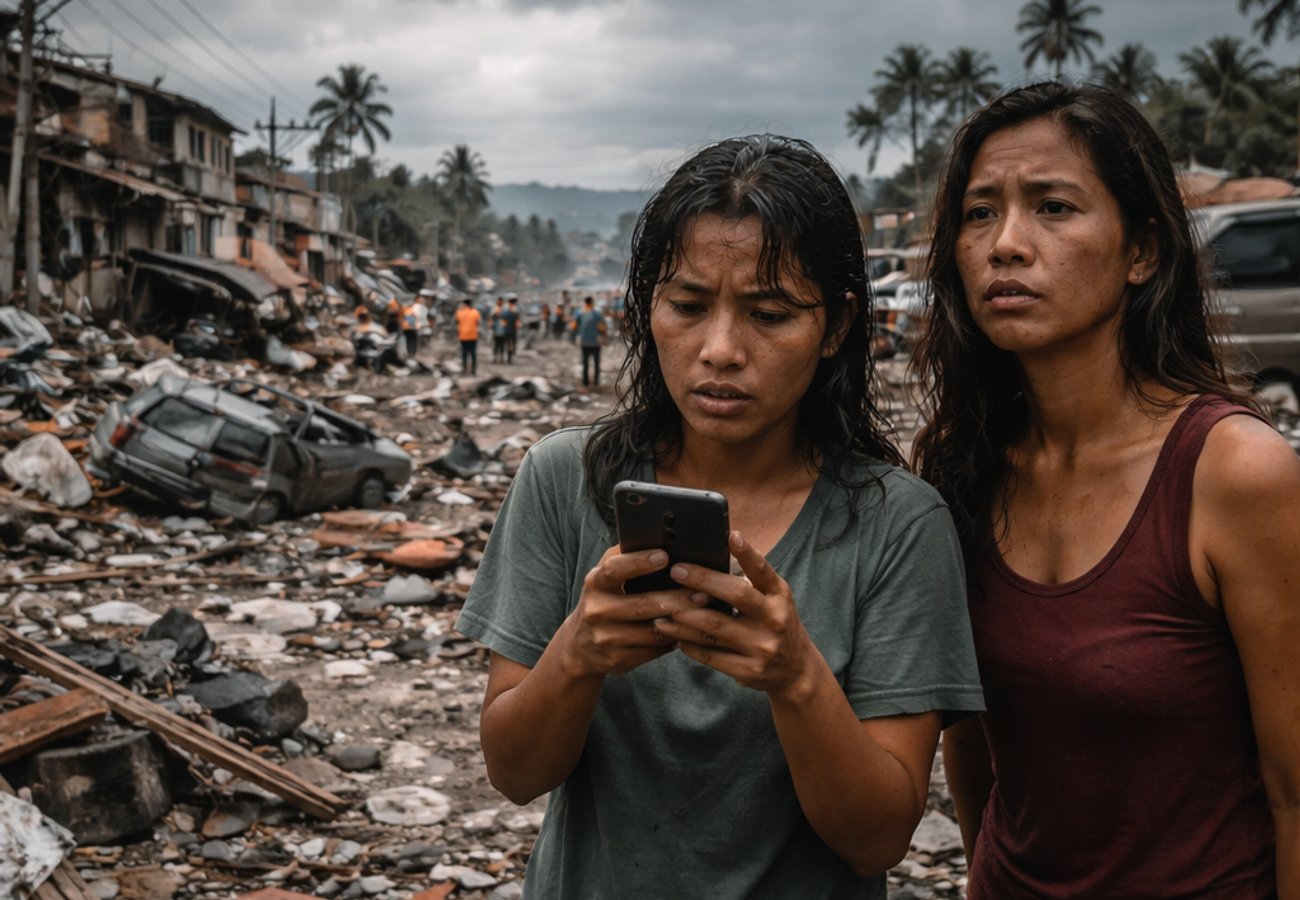
Image generated by AI
Powerful 7.8 Magnitude Quake Shatters Southern Philippines in Catastrophic Dawn Attack
At 7:37 am local time on June 8, 2026, the tranquility of southern Mindanao evaporated in seconds. A devastating magnitude 7.8 earthquake struck offshore near Sarangani Province, its epicenter positioned 32 kilometers south of Maasim at a depth of approximately 33 kilometers beneath the ocean floor. What followed was chaos — widespread destruction, mass evacuations, and desperate rescue operations that continue to unfold across multiple regions.
The Philippine Institute of Volcanology and Seismology (PHIVOLCS) confirmed the seismic event within minutes, but by then, the damage was already catastrophic. Residents described the ground shaking with such violent force that concrete structures cracked like eggshells, and buildings swayed precariously as people fled outdoors in panic.
Reddit: "The whole ground felt like it was moving in waves. I've never experienced anything like it. Buildings around us just started coming down." — r/Philippines
Over 50 Confirmed Dead as Death Toll Continues Rising
The Office of Civil Defense (OCD) confirmed preliminary casualty counts, with at least 50+ people confirmed dead across affected municipalities. But those numbers represent only verified fatalities — rescue teams continue searching collapsed debris, and many residents remain unaccounted for.
The hardest-hit areas include General Santos City, Glan, Tupi, and neighboring municipalities spanning the Soccsksargen and Davao Regions. Schools, homes, and commercial districts were leveled or severely damaged. Victims are predominantly from low-income residential areas where older concrete structures couldn't withstand the violent tremors.
Local hospitals overwhelmed with injured patients are struggling to provide adequate medical care. The Department of Health has activated emergency protocols across southern provinces, with medical teams working around the clock to treat thousands of injured residents.
Infrastructure Collapse Deepens Crisis Across Multiple Provinces
Assessments reveal catastrophic infrastructure damage. Roads are fractured and impassable in many areas, power lines lay tangled on the ground, and fuel supply chains have been severely disrupted. The Department of Energy is coordinating with electric cooperatives and oil providers to restore critical services — essential for sustaining ongoing rescue operations.
Schools and hospitals, among the structures most compromised, faced immediate evacuations. Engineers are conducting safety evaluations before any can reopen. The destruction extends across multiple economic sectors, threatening to destabilize the region's recovery for months.
Tsunami Warnings Force Mass Coastal Evacuations
In the earthquake's immediate aftermath, PHIVOLCS issued a tsunami warning for Sarangani Province and all surrounding coastal areas. The Pacific Tsunami Warning Center extended alerts to Indonesia, Malaysia, Palau, and beyond, citing potential dangerous ocean wave activity across vast stretches of coastline.
Coastal evacuation orders were immediately issued for low-lying towns and fishing communities. Residents rushed inland to higher ground as authorities issued urgent public warnings. While ocean waves were later determined to pose less widespread risk than initially feared, the warnings remained active for several critical hours — exemplifying the region's heightened seismic vulnerability.
Powerful Aftershocks Keep Disaster Teams on Razor's Edge
The main shock wasn't the end — it was merely the beginning of ongoing geological turbulence. The National Disaster Risk Reduction and Management Council (NDRRMC) reported numerous powerful aftershocks continuing to rock the region, some registering significant magnitudes independently.
These unpredictable tremors keep rescue teams on constant alert. Unstable buildings threaten collapse at any moment, and hillsides remain prone to devastating landslides. Authorities have strictly cautioned residents to avoid compromised structures until engineers complete thorough safety inspections. The psychological toll is equally severe — families remain terrified, sleep deprived, and hypervigilant to every tremor.
School Year Turned Tragedy: First Day Becomes Day of Terror
The earthquake struck on the first day of the school year — transforming what should have been a day of fresh beginnings into one of pure terror. Videos circulating from General Santos captured heartbreaking scenes: terrified students huddling in open spaces as classrooms shook violently, roofs rattled overhead, and classroom walls cracked.
The emotional reunions that followed were bittersweet — parents arriving at schools to find their children safe, but shaken and traumatized. The Department of Education immediately suspended classes across the most affected provinces, prioritizing student welfare and facilitating family reunification. Counselors are being mobilized to address the severe psychological trauma inflicted on young students.
Government Mobilizes Nationwide Response With Presidential Authority
The Presidential Communications Office (PCO) confirmed that national budget allocations are sufficient to support search and rescue operations, provide immediate humanitarian relief, and begin recovery efforts. The President personally directed all relevant agencies to act with maximum speed and coordination with local officials.
The National Disaster Risk Reduction and Management Council coordinated emergency operations across multiple levels, deploying military units, search and rescue teams, and local disaster volunteers. Emergency hotlines were activated immediately. Relief supplies are being pre-positioned for rapid distribution across affected communities. Federal resources are flowing into the region at unprecedented scale.
Philippines' Persistent Vulnerability Along the Pacific Ring of Fire
The Philippines' geographic location along the Pacific Ring of Fire creates persistent seismic vulnerability. The nation has endured numerous devastating earthquakes throughout recorded history, many with catastrophic human and economic tolls that stretch recovery efforts across years and decades.
The June 8 Mindanao earthquake ranks among the strongest seismic events in recent memory. It underscores the critical importance of robust disaster preparedness infrastructure, early warning systems, and resilient building codes — factors that separate manageable crises from humanitarian catastrophes.
Communities Rally Together: Resilience Amid Destruction and Loss
As night falls over Mindanao, affected communities are united by collective determination to recover. Families sift through rubble searching for loved ones. Volunteers distribute food and water to displaced residents. Emergency workers continue their exhausting work despite physical and emotional depletion.
In the midst of profound grief, acts of extraordinary compassion shine through darkness. Neighbors help neighbors. Strangers offer shelter to the displaced. Entire towns pull together in unconditional mutual support. This earthquake will be remembered not solely for its destructive force, but for the indomitable human spirit of those working tirelessly to rebuild shattered lives and restore hope to a devastated region.
The Philippines faces a long, difficult recovery — but the resolve of its people remains unbreakable.
Related Travel Guides
Disclaimer
This article is for informational and educational purposes only. It does not constitute legal, financial, or professional advice. While we strive to provide accurate and up-to-date information, travel policies, regulations, and conditions change rapidly. Always verify information with official sources before making travel decisions. Nomad Lawyer makes no representations about the accuracy, reliability, completeness, or suitability of the information provided. Readers should consult qualified professionals for advice specific to their circumstances. The views expressed in this article are those of the author and do not necessarily reflect the views of Nomad Lawyer.
Kunal K Choudhary
Co-Founder & Contributor
A passionate traveller and tech enthusiast. Kunal contributes to the vision and growth of Nomad Lawyer, bringing fresh perspectives and driving the community forward.
Learn more about our team →