
Middle East Winter Tourism Under Pressure as Energy Costs and Red Sea Risks Spike Travel Expenses
High Jet A-1 fuel costs and Red Sea maritime security risks are driving up travel prices for Dubai and Abu Dhabi, squeezing winter tourism margins.

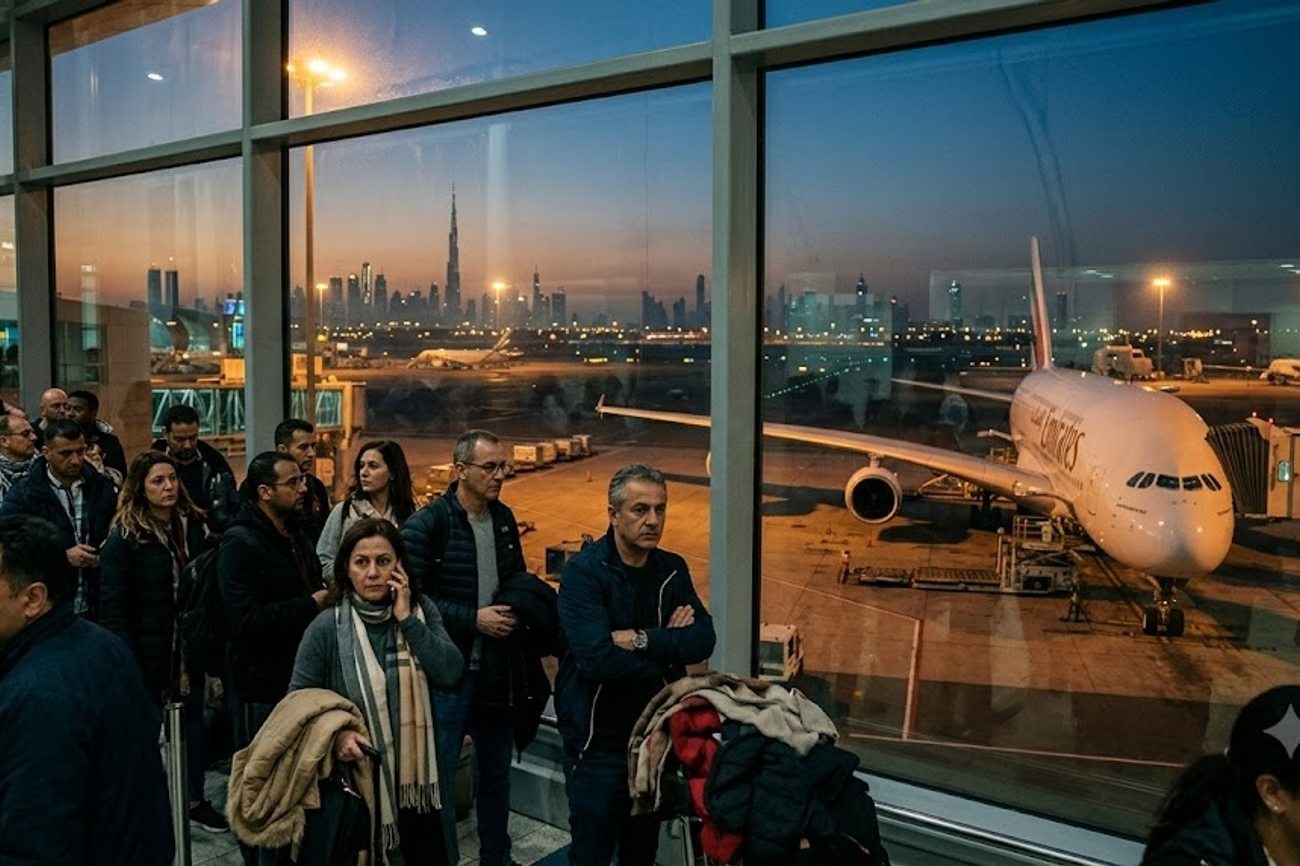
Image generated by AI
[Dubai, September 9, 2026] — The winter tourism sector across the Middle East is facing a period of significant instability as a convergence of macroeconomic pressures and geopolitical risks drives up the cost of travel. From the luxury resorts of Dubai and Abu Dhabi to regional cruise hubs, the industry is grappling with a sharp increase in bunker fuel expenses, volatile aviation kerosene pricing, and the lingering effects of aggressive monetary tightening by global central banks.
For leisure travelers originating from Western markets—traditionally the primary source of high-spending winter visitors—the appeal of the region is being tempered by a decline in disposable income and a surge in transport overheads. Simultaneously, critical maritime security threats in the Southern Red Sea and the Strait of Hormuz are forcing vessels to reroute around the Cape of Good Hope, adding substantial time and cost to logistics and cruise operations.
Energy Volatility and Macroeconomic Constraints
The current leisure travel economy is operating under a strained framework where high energy inputs meet restrictive financial policies. In major Western source markets, the U.S. Federal Reserve, the Bank of England, and the European Central Bank have kept benchmark interest rates at restrictive levels to curb core inflation. This policy environment has increased the cost of mortgage repayments and consumer credit, effectively reducing the amount of capital households can allocate to non-essential, long-haul travel.
As a result, the "revenge travel" momentum seen immediately following the pandemic has shifted toward a regime of strict budget discipline. Travelers are now demonstrating far greater price sensitivity, particularly for intercontinental journeys.
This financial squeeze is exacerbated by the volatility of global energy benchmarks. Brent crude has frequently fluctuated between $82 and $97 per barrel, putting immediate upward pressure on refined petroleum products. For the aviation industry, the price of Jet A-1 kerosene has surged, with spot premiums reaching nearly 80% above historic baseline averages. Because fuel typically accounts for 25% to 40% of an airline's total operating costs, carriers linking North America, Asia, and Europe to Middle Eastern hubs have responded by hiking fares and introducing aggressive fuel surcharges.
Beyond the air, maritime security risks in the Bab el-Mandeb Strait and the Red Sea basin have created a secondary cost crisis. Increased war-risk insurance premiums and the necessity of rerouting ships around Africa have led to structural delays. These detours increase bunker fuel consumption and disrupt the supply chains that provide essential provisions and spare parts to Gulf ports.
Regional Energy and Economic Metrics
The following data outlines the specific economic pressures currently impacting the Middle East travel corridor:
| Macroeconomic and Energy Metric | Observed Value / Market Range | Source Institution / Reference | Primary Industry Impact |
|---|---|---|---|
| Brent Crude Oil Benchmark | $82.00 – $97.00+ / barrel | International Energy Commodities Data | Direct cost escalation for aviation kerosene and marine bunkering grades. |
| Aviation Jet Fuel (Jet A-1) | +80% Year-on-Year Spot Premium | IATA Jet Fuel Price Monitor | Escalation of intercontinental seat tariffs and carrier-imposed ticket surcharges. |
| Central Bank Policy Rates | Restrictive Multi-Year Highs | Central Bank Statistical Releases | Depletion of Western household savings and heightened leisure demand elasticity. |
| Marine Gasoil & Bunker Fuels | Elevated Historic Premiums | Maritime Bunkering Trade Indexes | Surge in daily vessel operational outlays and voyage repositioning overhead. |
| Ocean Freight Contingency Surcharges | $1,500 (Dry) – $3,500 (Reefer) / TEU | Hapag-Lloyd / CMA CGM Notices | Escalating landed provisioning and spare part costs across Gulf ports. |
Shifting Booking Behaviors in Terrestrial Hospitality
The spike in long-haul airfares and the erosion of household savings in East Asia and Western Europe have fundamentally altered how tourists plan their trips. Historically, winter bookings for North African and Arabian Gulf resorts followed a predictable 90-to-120-day window, allowing hotel operators to forecast occupancy with high accuracy.
Recent data shows a dramatic compression of this window. Average booking lead times for the peak winter season have shrunk to between 21 and 30 days. This shift indicates a growing consumer hesitancy to commit funds in a volatile pricing environment. Instead of securing early-bird rates, travelers are waiting until the last minute, hoping for promotional discounts or a dip in flight surcharges.
This unpredictability creates operational headaches for hospitality managers. Short-notice bookings make it difficult to align staffing levels and manage working capital. Furthermore, traditional early-booking incentives are losing their efficacy; the cost increase in airfare often completely cancels out any discount offered on the hotel room, pushing the consumer toward a "wait-and-see" approach.
Yield Management in Dubai and Abu Dhabi
Despite the volatility in demand, luxury operators in the United Arab Emirates and Saudi Arabia are resisting broad price cuts to protect their brand equity. In Dubai, data from the Department of Economy and Tourism (DET) shows that the city maintained an Average Daily Rate (ADR) of 545 AED. Luxury five-star properties performed even stronger, with an ADR of 910 AED and occupancy rates remaining steady between 78.4% and 80.6%.
Similarly, in Abu Dhabi, the Department of Culture and Tourism (DCT Abu Dhabi) reported an average hotel occupancy rate of 74%. High-end waterfront resorts on Yas Island and Saadiyat Island continued to command a 40% ADR premium over standard city-center business hotels. By maintaining these rates, luxury assets avoid the long-term valuation degradation that typically follows deep discounting, opting instead to rely on high-net-worth segments that are less sensitive to fuel surcharges.
Why This Matters: The Traveler's Perspective
For the average traveler, this situation creates a "cost-of-entry" barrier. While the hotels in Dubai or Abu Dhabi may not be lowering their prices, the cost of actually reaching those destinations has spiked. The primary friction point is no longer the cost of the room, but the cost of the seat.
From a logistical standpoint, the rerouting of maritime traffic around the Cape of Good Hope means that cruise itineraries may be altered or extended, potentially increasing the ticket price for sea-based tourism. Furthermore, the "last-minute" booking trend increases the risk of travelers finding limited availability at preferred properties, as the window for securing a room has narrowed from months to weeks.
Essentially, the Middle East is seeing a bifurcation of its tourism market: ultra-luxury travelers remain unaffected, while the mid-market leisure traveler is being priced out by the combined forces of energy inflation and geopolitical instability.
Related Travel Guides
Disclaimer
This article is for informational and educational purposes only. It does not constitute legal, financial, or professional advice. While we strive to provide accurate and up-to-date information, travel policies, regulations, and conditions change rapidly. Always verify information with official sources before making travel decisions. Nomad Lawyer makes no representations about the accuracy, reliability, completeness, or suitability of the information provided. Readers should consult qualified professionals for advice specific to their circumstances. The views expressed in this article are those of the author and do not necessarily reflect the views of Nomad Lawyer.
Raushan Kumar
Founder & Lead Developer
Full-stack developer with 11+ years of experience and a passionate traveller. Raushan built Nomad Lawyer from the ground up with a vision to create the best travel and law experience on the web.
Learn more about our team →