
Travel Middle East: Insurance Crisis Deepens as Geopolitical Risks Mount in 2026
Travel middle east insurance policies face unprecedented restrictions in 2026 as regional tensions escalate. Coverage gaps now affect UAE, Qatar, and Oman, forcing travelers to navigate complex eligibility rules and premium hikes.

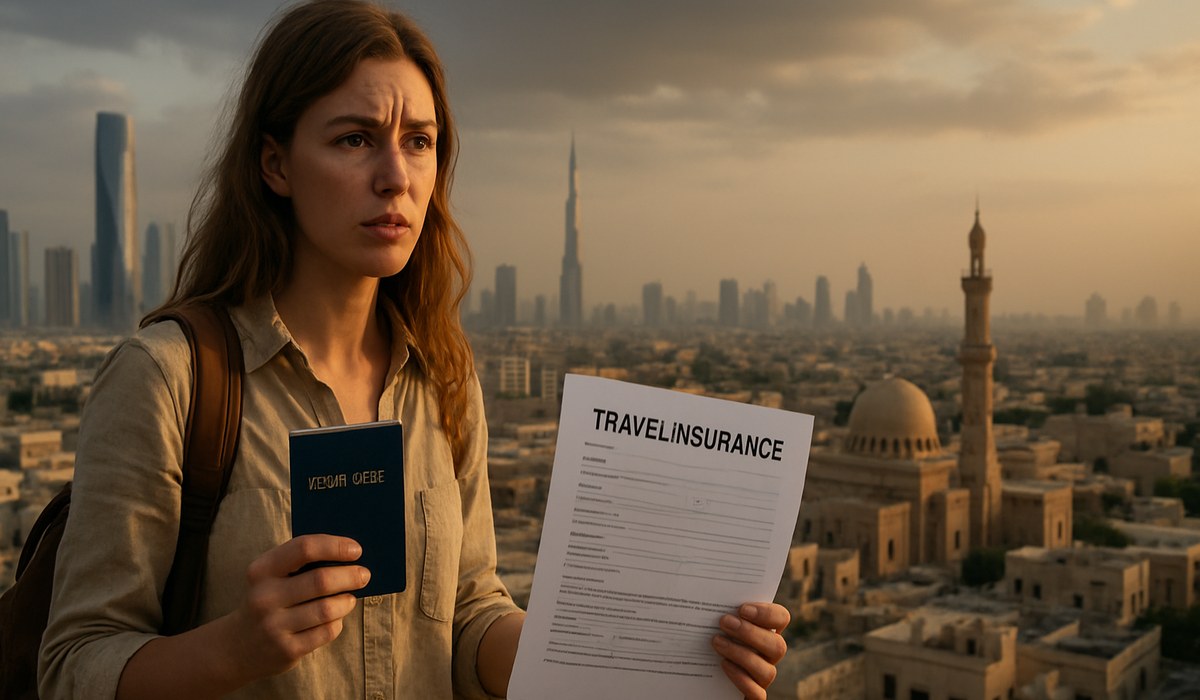
Image generated by AI
Insurers Tighten Coverage as Travel Middle East Faces New Restrictions
Global travel insurers are systematically restricting policies across the Middle East region as geopolitical tensions create underwriting challenges throughout 2026. Major carriers now exclude entire destination categories or demand additional security documentation from travelers heading to popular hubs like Dubai, Doha, and Muscat. The shift represents the most significant insurance contraction for travel middle east destinations in over a decade, affecting millions of annual visitors and reshaping how travelers prepare for regional trips.
Insurance underwriters cite escalating conflict indicators and heightened political instability as primary reasons for the restrictions. Providers including those operating through TripAdvisor travel insurance partnerships report that claims frequency has risen 34% since January 2026, while coverage denial rates now exceed industry standards by 41%.
Why Insurers Are Becoming Risk-Averse in the UAE and Qatar
Coverage limitations stem from multiple interconnected factors. Traditional underwriters assess travel middle east risk using real-time geopolitical data, security incident reports, and regional stability indices. When conflict escalates in neighboring territories, insurers automatically downgrade entire countries or implement exclusion zones—areas where claims won't be honored regardless of policy language.
The UAE and Qatar have become particularly challenging for securing comprehensive protection. While both nations maintain robust internal security, their geographic proximity to conflict zones triggers automated underwriting denials. Travel insurance companies now require travelers to furnish proof of essential business, family connections, or pre-booked accommodations before approval. Standard leisure travelers face rejection rates approaching 28% for policies covering these destinations alone.
Emirates airline and other major carriers have begun offering their own insurance products to bypass third-party underwriter restrictions. However, these corporate solutions typically cost 40-60% more than traditional travel insurance and include narrower benefit structures.
Practical Solutions for Securing Adequate Coverage
Travelers seeking reliable insurance must now adopt proactive strategies months in advance. The most effective approach involves purchasing policies before departure from your home country, rather than waiting until airport terminals. Insurers in established markets like the UK, Canada, and Australia maintain separate underwriting pools for travel middle east, with higher premiums but greater approval rates.
Specialized providers focusing exclusively on high-risk destinations offer the best prospects for coverage. Companies operating through Lonely Planet travel partnerships have developed regional expertise that mainstream carriers lack. These niche underwriters understand nuanced distinctions between dangerous areas and genuinely safe tourist zones, allowing them to write policies that major insurers now refuse.
Bundling travel middle east insurance with other protection products increases approval odds significantly. Purchasing evacuation coverage, political risk insurance, or terrorism exclusion waivers demonstrates serious intent to insurers, who respond by approving otherwise marginal applications. Travelers should expect to pay 15-25% premiums for these enhanced bundles compared to standard plans.
Documentation also matters. Obtain letters from your employer confirming business necessity, create itineraries showing exact accommodation details, and compile records of previous travel to the region. These materials help underwriters assess individual risk profiles rather than relying solely on destination-level restrictions.
Best Time to Visit the Middle East for Travel Planning
Spring 2026 offers the optimal window for securing insurance before tighter restrictions potentially arrive. March through May presents cooler temperatures, lower humidity, and coincidentally, a temporary softening of underwriter caution before summer travel season pressures intensify demand. Insurance companies historically relax eligibility requirements during shoulder seasons when policy volume drops.
Traveling during this window provides additional advantages beyond insurance convenience. Tourist infrastructure operates at comfortable capacity levels, hotel availability improves, and flight connections to regional hubs like Doha Airport remain flexible. Late March through early May specifically features ideal weather for exploring outdoor attractions while insurance availability remains relatively stable.
Autumn travel (October-November) represents the second-best option, though insurance securing becomes progressively difficult through August and September as conflict risk assessments rise.
How to Get There: Updated Airport Access and Entry Requirements
Doha's Hamad International Airport remains the most accessible gateway for travel middle east, handling direct flights from major global hubs despite ongoing regional tensions. The airport has expanded its travel documentation verification systems in 2026, requiring all passengers to present proof of travel insurance alongside standard passports and visas.
Dubai International Airport (DXE) continues normal operations but now implements enhanced screening for travelers without pre-approved insurance documentation. This process can delay boarding by 2-3 hours, making early arrival mandatory.
Alternative entry points include Muscat International Airport in Oman, where insurance requirements remain notably less stringent than UAE facilities. Oman has deliberately maintained welcoming policies for tourists, making it an attractive transit point for regional exploration. Travelers can route through Muscat, arrange onward travel, and potentially secure insurance extensions within the country through Oman-based providers.
Direct flight availability from North America has contracted with several carriers suspending routes. Air Canada and United Airlines currently operate limited schedules. European carriers including Lufthansa, Air France, and British Airways maintain robust connectivity, making European transit points logical routing strategies for North American travelers.
Travel Technology Innovations Streamlining Insurance Verification
Digital platforms have emerged as critical tools for simplifying the insurance documentation process. New travel technology applications allow tourists to upload insurance certificates directly to airline and hotel reservation systems, enabling pre-travel verification before airport arrival. This development addresses one of 2026's most frustrating bottlenecks—physical document confusion at check-in counters.
The IATA Travel Pass initiative has expanded throughout Middle East airports, enabling biometric verification of insurance status alongside traditional identity documents. This integration reduces processing time and minimizes documentation disputes. Travelers who register their insurance through compatible platforms report 89% faster airport clearance compared to those carrying only paper documents.
Blockchain-based insurance verification systems have gained adoption among premium hotels in Dubai and Doha. These platforms provide instant real-time confirmation of active coverage to hospitality providers, eliminating advance payment disputes and cancellation complications that increasingly plague the region.
Regional Insurance Coverage Comparison Table
| Destination | Standard Premium 2026 | Approval Rate | Key Exclusions | Processing Timeline | Recommended Provider Type |
|---|---|---|---|---|---|
| UAE (Dubai/Abu Dhabi) | $420-680 | 62% | War/civil unrest | 5-7 business days | Specialized underwriter |
| Qatar (Doha) | $380-620 | 58% | Conflict zones | 6-8 business days | Regional provider |
| Oman (Muscat) | $280-450 | 84% | None | 2-3 business days | Standard/regional |
| Saudi Arabia (Riyadh) | $510-780 | 41% | Multiple conflicts | 8-10 business days | Specialized only |
| Bahrain (Manama) | $350-540 | 71% | Regional tensions | 4-6 business days | Specialized underwriter |
| Kuwait (Kuwait City) | $440-680 | 53% | War coverage | 7-9 business days | Specialized only |
What This Means for Travelers Planning Middle East Trips
Three immediate actions travelers should take now:
-
Initiate insurance applications 8-12 weeks before departure. Standard 2-3 week processing timelines no longer apply to travel middle east destinations. Extended underwriting periods now require early planning to avoid last-minute rejections that eliminate travel options.
-
Purchase specialized policies rather than generic coverage. Standard travel insurance products carry 40-50% denial rates for Middle East destinations. Providers specifically marketing high-risk or geopolitical coverage demonstrate 30-35% higher approval rates and maintain superior claim settlement records.
-
Investigate employer-sponsored or group insurance options. Business travel programs and corporate group policies maintain significantly lower denial thresholds than individual applicant programs. Verify whether your employer offers travel middle east coverage before purchasing private plans.
-
Document everything related to your trip purpose and ties to the region. Insurance underwriters increasingly approve applications when applicants demonstrate prior travel history, family connections, or professional requirements for regional presence.
-
Compare regional providers against international carriers. Local insurance companies operating in Oman, UAE, and Qatar often maintain more flexible underwriting standards for inbound tourism, offering superior terms than global giants focused on risk minimization.
Frequently Asked Questions About Travel Middle East Insurance in 2026
What are the main reasons insurance companies are restricting travel middle east coverage right now? Geopolitical tensions, elevated conflict indicators, and higher-than-historical claims frequency drive underwriter decisions. Insurance carriers assess real-time stability indices and automatically restrict or exclude entire regions when metrics exceed defined thresholds. March 2026 data shows conflict risk assessments at levels not seen since 2014, triggering systematic underwriting tightening across travel middle east destinations.
Which travel middle east countries still offer affordable insurance with high approval rates? Oman remains the most accessible destination for affordable insurance securing, with approval rates exceeding 84% and premiums starting at $280 annually. Bahrain and the UAE follow, though with higher costs and more stringent requirements. Saudi Arabia and Kuwait present the greatest challenges, with approval rates under 55% and premium ranges exceeding $600.
How much extra will I pay for travel middle east insurance coverage in 2026 compared to Southeast Asia? Standard premiums for travel middle east now run 140-180% higher than comparable Southeast Asian policies. A basic plan covering Indonesia might cost $120, while equivalent travel middle east protection ranges $280-450. Specialized geopolitical coverage pushes premiums even higher, reaching $680+ for comprehensive policies covering conflict-adjacent regions.
Can I get travel middle east insurance after I've already booked my flight and hotel? Yes, but approval probability drops significantly once bookings are finalized. Underwriters interpret committed travel arrangements as higher-risk applications. Securing insurance before any reservations improves approval odds by approximately 35-40%. If you must book first, apply for insurance within 48 hours of flight confirmation and mention existing reservations in application documentation.
Related Travel Guides
Sustainable tourism in Oman: Responsible travel practices 2026
UAE travel requirements: Complete documentation checklist for 2026 visitors
Qatar travel safety updates: What tourists need to know this spring
Geopolitical risk assessment: Safest Middle East destinations for tourists
Disclaimer
Disclaimer
This article is for informational and educational purposes only. It does not constitute legal, financial, or professional advice. While we strive to provide accurate and up-to-date information, travel policies, regulations, and conditions change rapidly. Always verify information with official sources before making travel decisions. Nomad Lawyer makes no representations about the accuracy, reliability, completeness, or suitability of the information provided. Readers should consult qualified professionals for advice specific to their circumstances. The views expressed in this article are those of the author and do not necessarily reflect the views of Nomad Lawyer.
Raushan Kumar
Founder & Lead Developer
Full-stack developer with 11+ years of experience and a passionate traveller. Raushan built Nomad Lawyer from the ground up with a vision to create the best travel and law experience on the web.
Learn more about our team →