
Middle East Travel Crisis: 14 Countries Under Missile Alerts, Airspace Lockdowns, Tourism Paralyzed in 2026
Renewed Iran-Israel missile strikes in June 2026 shattered Middle East ceasefire, triggering airspace closures, flight cancellations, and tourism collapse across Dubai, Doha, Tel Aviv, and Riyadh.

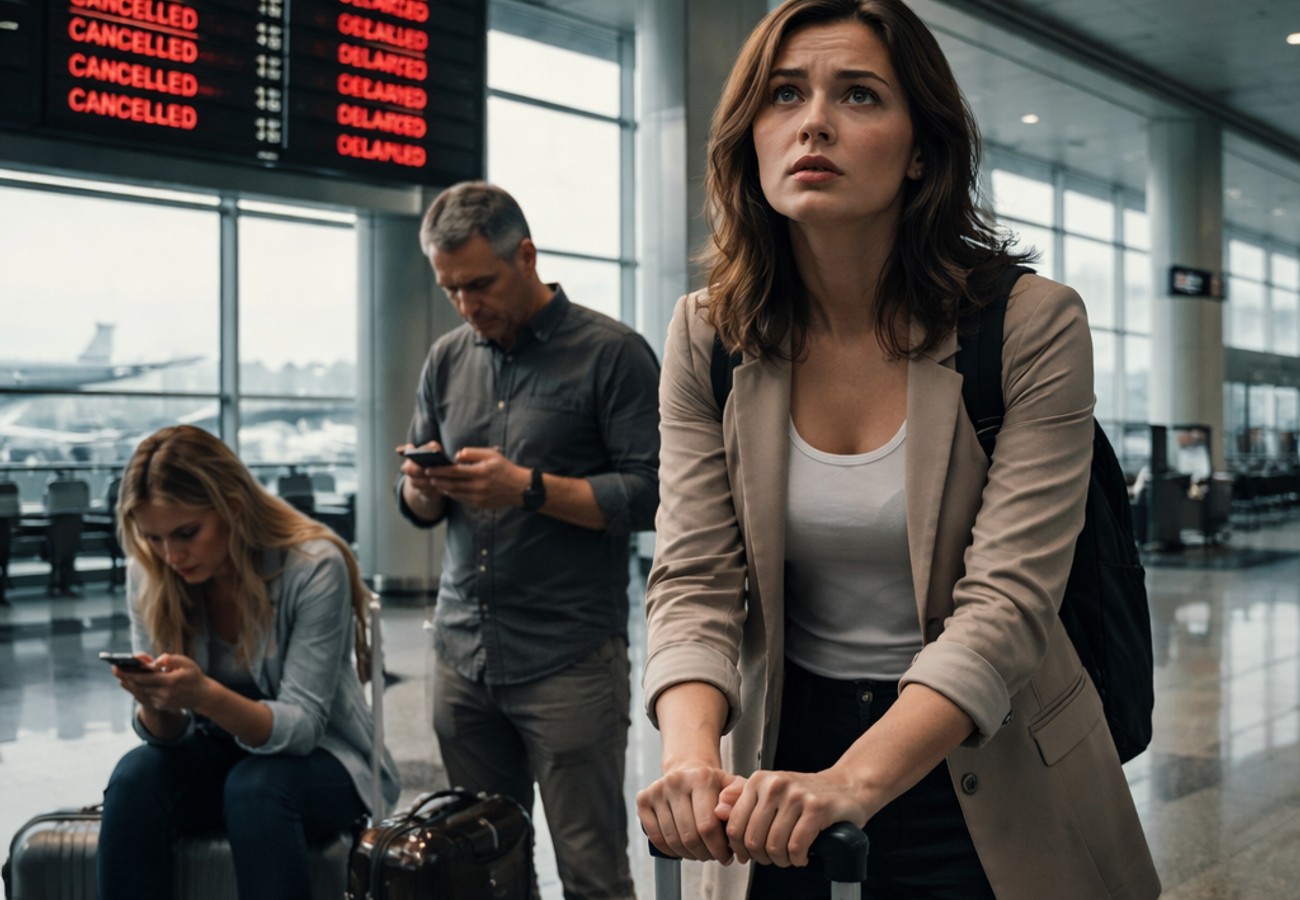
Image generated by AI
The Ceasefire Shatters: Iran and Israel Exchange Fire Across Airspace
The fragile peace that had held the Middle East together since April 2026 exploded on June 7 and 8 when Iran launched multiple ballistic missiles toward northern and central Israel, shattering the region's delicate stability in minutes.
Sirens wailed across Tel Aviv and Haifa. Defense systems activated. Israel responded within hours, unleashing retaliatory airstrikes against Iranian military installations, air defense networks, and industrial infrastructure spanning Tehran, Karaj, Tabriz, and Isfahan. The exchanges weren't diplomatic posturing—they were real weapons, real explosions, real casualties.
What happened next wasn't military strategy. It was economic disaster for the tourism industry.
Reddit: "Booked a family trip to Dubai for June. Hotel cancelled our reservation this morning. Now what?" — r/travel
The Domino Effect: When Missiles Close Airports
When military conflict erupts, civilians pay the price. Airports shut down. Airlines ground planes. Tourists get trapped.
Israel bore the brunt first. Tel Aviv's Ben Gurion Airport faced temporary closures as emergency protocols locked down airspace. Hundreds of flights were canceled. The normally vibrant beaches and markets of Israel's tourism capital emptied within 24 hours. Hotels reported mass cancellations. Tour operators suspended bookings to historical sites in Jerusalem, the Dead Sea, and Masada indefinitely.
But the crisis didn't stop at Israeli borders.
Bahrain: A U.S. Naval Hub Under Siege
Bahrain, home to critical U.S. Fifth Fleet naval operations, found itself caught in the crossfire of perception. While no direct strikes targeted the island nation, military readiness elevated and airspace restrictions rippled outward.
Manama's luxury hotels reported occupancy rates plummeting. Conference centers postponed international conventions. Business travel, which typically drives Gulf tourism revenue, evaporated overnight. The economic hit extends far beyond hotel rooms—it affects restaurants, retail, transportation networks, and the broader Gulf business ecosystem.
Kuwait: Strategic Vulnerability Forces Reroutes
Positioned between Iraq and the Persian Gulf, Kuwait activated strict airspace monitoring protocols. Airlines rerouted flights around suspected missile corridors. The Kuwait City airport experienced delays and cancellations that cascaded through the region's transportation network.
Coastal resorts that market themselves as secure Gulf getaways suddenly faced empty booking calendars. Cruise operators rerouted itineraries away from Gulf waters entirely. Perception is reality in tourism—and the perception of risk proved devastatingly effective at keeping travelers away.
Iraq: Historical Tourism Collapses Amid Cross-Border Tension
Iraq's ancient cities—Najaf, Karbala, Erbil—represent some of the world's most significant religious and archaeological sites. Yet travel agencies suspended package tours entirely.
The reason: Iraq's proximity to Iran makes it acutely vulnerable to spillover effects. While no direct attacks targeted Iraqi territory, the threat environment transformed historically significant destinations into no-go zones for international travelers. Religious pilgrimage tourism, an important revenue source, ground to a halt. The modest recovery Iraq had achieved over the past year evaporated.
Qatar: Doha's Business Hub Freezes
Qatar, which markets itself as a global convention and luxury tourism destination, faced indirect but severe consequences. Airspace restrictions delayed and canceled flights into Doha. Maritime surveillance around Qatari ports affected cruise traffic and yacht operations.
Doha's Five-Star hotels—designed to host international conferences and corporate retreats—reported mass cancellations. The Corniche's luxury resorts, symbols of Gulf prosperity, sat nearly empty. For a nation that depends heavily on business travel and premium tourism revenue, the disruption proved economically significant.
UAE: Dubai and Abu Dhabi Face Unprecedented Slowdown
Here's where the crisis hit hardest: the United Arab Emirates, particularly Dubai and Abu Dhabi, are the Middle East's economic lifeblood.
Temporary airspace closures forced reroutes and delays throughout the Emirates. Major carriers cancelled routes. Dubai's iconic hotels reported their steepest occupancy declines in years. Theme parks reduced operations. Shopping districts that normally teem with international visitors became ghost zones.
Cruise tourism, an emerging growth sector in Gulf waters, faced heightened maritime risk assessments that sent operators scrambling to redirect itineraries. According to regional tourism reports, the UAE tourism sector represents over 11% of national GDP—making these flight disruptions an economic emergency, not just an inconvenience.
Reddit: "My parents are stranded in Abu Dhabi. Their flight home was cancelled yesterday. Hotels are overbooked now." — r/travel
Saudi Arabia: The Kingdom's Eastern Region on High Alert
Saudi Arabia, with significant eastern province oil infrastructure and proximity to Iranian-aligned forces in Yemen, elevated military readiness across key regions. While comprehensive attacks didn't target Saudi territory, the threat assessment forced aviation restrictions that slowed air traffic and discouraged non-essential travel.
Riyadh and Jeddah's business districts experienced reduced foot traffic. International conferences scheduled for June were postponed. Corporate travel budgets were frozen pending security assessments.
The Broader Collapse: Tourism Industry Faces Months of Recovery
The cascading effects stretched across the entire Middle East tourism ecosystem. Airlines faced impossible routing decisions. Hotels activated cancellation policies. Tour operators suspended entire regions from their marketing efforts.
International aviation authorities issued elevated risk assessments for Middle Eastern airspace. Insurance premiums for travel in the region spiked. Travel advisories were upgraded to discouraging or prohibiting travel to multiple nations simultaneously—something rarely seen outside major wars.
Economic Fallout: When Regional Conflicts Hit Global Travel
This wasn't hypothetical economic damage. The Middle East tourism industry generates roughly $180 billion annually across the Gulf states and Levant region. A weeks-long disruption translates to billions in immediate losses and months of recovery.
Airlines operating Middle Eastern routes face fuel surcharges due to rerouting, crew scheduling nightmares, and diminished demand. Hotels implement emergency staffing reductions. Tourism-dependent small businesses—guides, restaurants, transport operators—face existential threats.
The question now isn't whether tourism will recover—it will. The question is how long recovery takes and whether confidence returns before the next escalation.
The Middle East's tourism clock just reset to zero.
Related Travel Guides
Disclaimer
This article is for informational and educational purposes only. It does not constitute legal, financial, or professional advice. While we strive to provide accurate and up-to-date information, travel policies, regulations, and conditions change rapidly. Always verify information with official sources before making travel decisions. Nomad Lawyer makes no representations about the accuracy, reliability, completeness, or suitability of the information provided. Readers should consult qualified professionals for advice specific to their circumstances. The views expressed in this article are those of the author and do not necessarily reflect the views of Nomad Lawyer.
Raushan Kumar
Founder & Lead Developer
Full-stack developer with 11+ years of experience and a passionate traveller. Raushan built Nomad Lawyer from the ground up with a vision to create the best travel and law experience on the web.
Learn more about our team →