
Miami Airport Meltdown: 265 Spring Break Delays Expose U.S. Aviation Vulnerability
Miami International Airport experienced 265 flight delays and nine cancellations during peak spring break season on April 7, 2026, exposing systemic weaknesses in the U.S. aviation network amid severe Southeast weather disruptions affecting thousands of travelers.

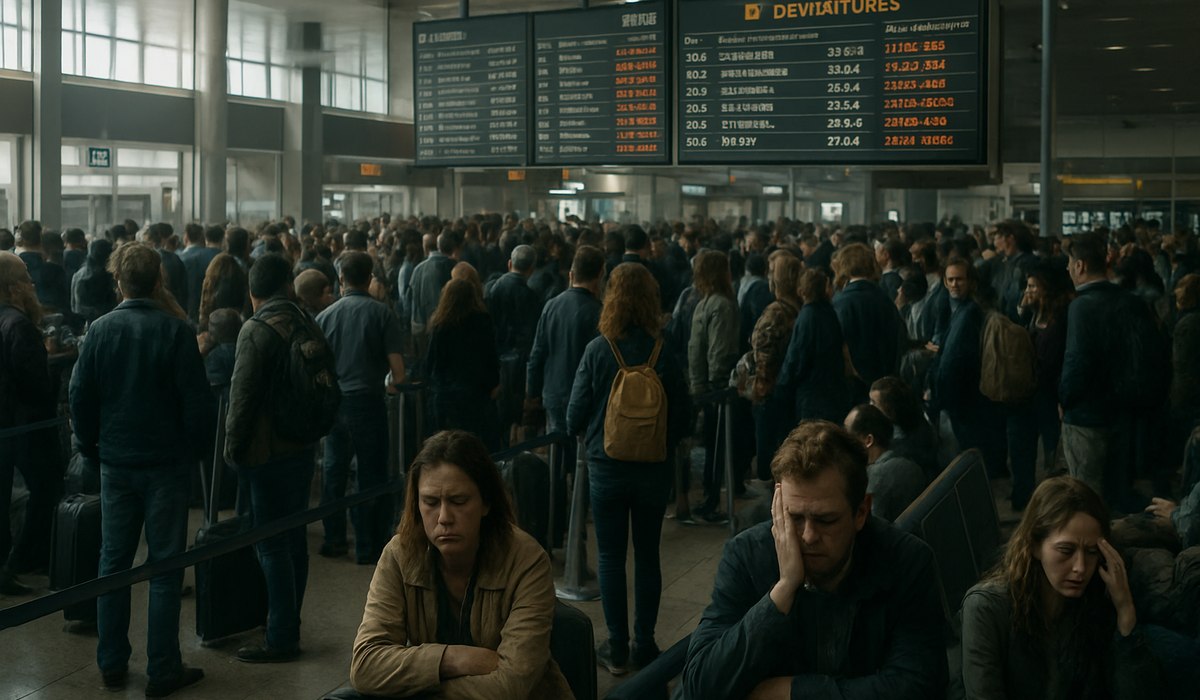
Image generated by AI
A Perfect Storm: Miami's Spring Break Collapse
Miami International Airport faced one of its most chaotic days of 2026 on April 7 when a severe weather system collided with peak spring break travel, triggering the Miami airport meltdown. The facility processed 265 flight delays and nine cancellations within a single 24-hour window, affecting thousands of passengers attempting to reach Caribbean destinations and domestic spring break hotspots. Volatile thunderstorms swept across South Florida and northbound corridors, setting off ground stops and flow restrictions that compressed aircraft rotations and created a domino effect across the wider U.S. aviation network.
The disruption positioned Miami among America's most severely affected hubs during one of the year's busiest travel periods. Spring break crowds were already testing airport capacity when weather conditions deteriorated, leaving travelers stranded, connections missed, and departure banks hopelessly out of sync for much of the operational day.
Stormy Skies and a Strained Spring Network
Thunderstorms descended on South Florida and expanded across popular northbound flight corridors during early April, triggering what aviation experts call a cascade failure. A brief ground stop for arriving flights into Miami compressed departure banks once operations resumed, as aircraft held at origin airports flooded back into the system simultaneously.
The Miami airport meltdown didn't occur in isolation. Spring storms from Texas through the Mid-Atlantic limited flexibility for carriers to reroute aircraft or redistribute crews across the network. When thousands of flights experienced delays nationwide, Miami's role as a critical hub meant its disruptions rippled outward to connecting destinations. Heavy delays—rather than outright cancellations—prolonged the operational strain, as planes and crews remained out of sync throughout the day, extending passenger impact well into evening hours.
Industry tracking data from FlightAware showed that even the brief ground stop triggered check-in bottlenecks, extended security lines, and overwhelmed rebooking desks. Passengers attempting same-day connections to Caribbean islands or secondary markets faced overnight stays when single daily flights became misaligned with inbound connections. The ripple effect extended far beyond South Florida's immediate service area.
Ground Stops Trigger Cascade of Missed Connections
A ground stop implemented on April 7 served as the operational trigger for broader system strain. Aircraft held at origin airports nationwide meant that when restrictions lifted, departure waves compressed into short windows. Gate space tightened, taxi queues lengthened, and outbound flights accumulated minutes of delay before even pushing back from the terminal.
American Airlines, the dominant carrier at Miami, reported triple-digit delay counts alone, demonstrating how a single operator's performance shapes airport-wide metrics. Delta, United, Frontier, Spirit, and numerous Latin American carriers all experienced significant disruptions. The banked flight structure serving Latin America and Caribbean routes—where passengers expect coordinated connection waves—proved especially vulnerable when weather compressed those banks.
For connecting passengers, the consequences were immediate and severe. A traveler with a 90-minute connection window suddenly found themselves unable to make their next flight as inbound delays cascaded. Rebooking options on subsequent flights disappeared quickly as overbooking became inevitable. FAA flight delay data confirmed that Miami's disruption ranked among the day's worst in the national aviation system.
System-Wide Impact Beyond Miami Hub
Miami's strategic location as North and South America's primary aviation bridge amplifies disruption severity. The airport's sensitivity to storms sweeping Gulf and Atlantic corridors, combined with dependence on crew rotations and aircraft connections from other U.S. hubs, creates systemic vulnerability.
Traffic reports from Miami-Dade Aviation Department documented robust passenger growth through 2025, with millions of monthly travelers during peak seasons. That expansion has created tightly scheduled banks serving competitive domestic markets alongside international Caribbean and Latin American routes. When disruptions compress departure waves, little margin remains for recovery within the same operational day.
Delays at upstream hubs in Atlanta, New York, Chicago, and Dallas quickly spilled into Miami's schedule, as late-arriving aircraft triggered compressed departure sequences. The hub-and-spoke model, designed for efficiency, became a liability during weather events when multiple regions faced simultaneous disruptions. One delay anywhere in the Miami network multiplied across dozens of subsequent flights.
What This Means for Travelers: The Spring Break Reality Check
The Miami airport meltdown revealed uncomfortable truths about spring break travel resilience. Peak season doesn't accommodate disruption gracefully. Passengers learned that weather-related delays typically fall outside standard compensation frameworks, even when airlines bear partial responsibility through crew scheduling or aircraft rotation decisions.
Federal regulations distinguish weather events from airline-controllable delays, limiting passenger recovery options. Many stranded travelers relied on travel insurance, credit card protections, or airline goodwill gestures rather than formal reimbursement. Social media discussions among affected passengers highlighted uneven ground experiences—some received hotel vouchers and meal credits, while others received only flight rebooking options.
For 2026 spring break planners, the disruption underscores importance of travel insurance, flexible booking strategies, and realistic connection timing. Passengers booked on heavily banked carriers or through major hubs should expect vulnerability during severe weather windows. Building extra connection time, arriving earlier than typical, and monitoring FlightAware forecasts provide modest protection but no guarantees.
Traveler Action Checklist
-
Monitor weather patterns three to five days before spring break departure and adjust travel dates if significant storms approach your region.
-
Book direct flights when financially feasible, eliminating connection vulnerability during disruption days.
-
Purchase comprehensive travel insurance covering weather delays, missed connections, and accommodation costs before your trip begins.
-
Arrive at airports 3-4 hours early during spring break periods rather than standard 2-hour windows to navigate congestion and rebooking lines.
-
Check FlightAware and airline apps hourly starting 24 hours before departure to catch delays before arriving at the airport.
-
Know your passenger rights under U.S. Department of Transportation rules regarding meal vouchers, accommodations, and rebooking options.
-
Request written confirmation of any promised accommodations or flight rebooking to document airline commitments.
-
Keep connections to 2+ hours when transiting through major hubs like Miami during peak spring break season.
| Metric | Data |
|---|---|
| Total Flight Delays (24 hrs) | 265 |
| Flight Cancellations | 9 |
| Date of Disruption | April 7, 2026 |
| Primary Cause | Spring storms, ground stops |
| Dominant Carrier at Miami | American Airlines |
| Geographic Impact | Southeast U.S., Caribbean routes |
| Primary Weather System | Thunderstorms, South Florida & northbound corridors |
| Estimated Affected Passengers | Thousands across connected routes |
What This Means for Travelers (Practical Impact)
The Miami airport meltdown serves as an annual reminder that peak season convenience carries operational risk. Spring break crowds, combined with severe weather, expose gaps between published schedules and real-world execution. Travelers accustomed to reliable connections discover that hub operations depend on perfect weather execution, particularly at vulnerability-prone facilities like Miami.
The 265-delay episode demonstrated that even modest weather events trigger cascading impacts when operations run at near-capacity. Passengers planning Caribbean spring breaks should assume weather disruption possibility rather than exception. Building itinerary flexibility—extra nights, travel insurance, paid seat selection on alternate flights—transforms disruption from crisis into manageable inconvenience.
FAQ: Miami Airport Meltdown Questions Answered
**Q: Am I entitled to compensation for
Disclaimer
This article is for informational and educational purposes only. It does not constitute legal, financial, or professional advice. While we strive to provide accurate and up-to-date information, travel policies, regulations, and conditions change rapidly. Always verify information with official sources before making travel decisions. Nomad Lawyer makes no representations about the accuracy, reliability, completeness, or suitability of the information provided. Readers should consult qualified professionals for advice specific to their circumstances. The views expressed in this article are those of the author and do not necessarily reflect the views of Nomad Lawyer.
Raushan Kumar
Founder & Lead Developer
Full-stack developer with 11+ years of experience and a passionate traveller. Raushan built Nomad Lawyer from the ground up with a vision to create the best travel and law experience on the web.
Learn more about our team →