
Mexico World Cup 2026 Sports Tourism: Three Cities Reshape Global Events Strategy
Mexico's three World Cup 2026 host cities are leveraging the expanded tournament to transform sports tourism economics across North America. Mexico City, Guadalajara, and Monterrey are projecting nearly 200 billion pesos in direct economic benefits while implementing infrastructure upgrades designed for long-term visitor growth.

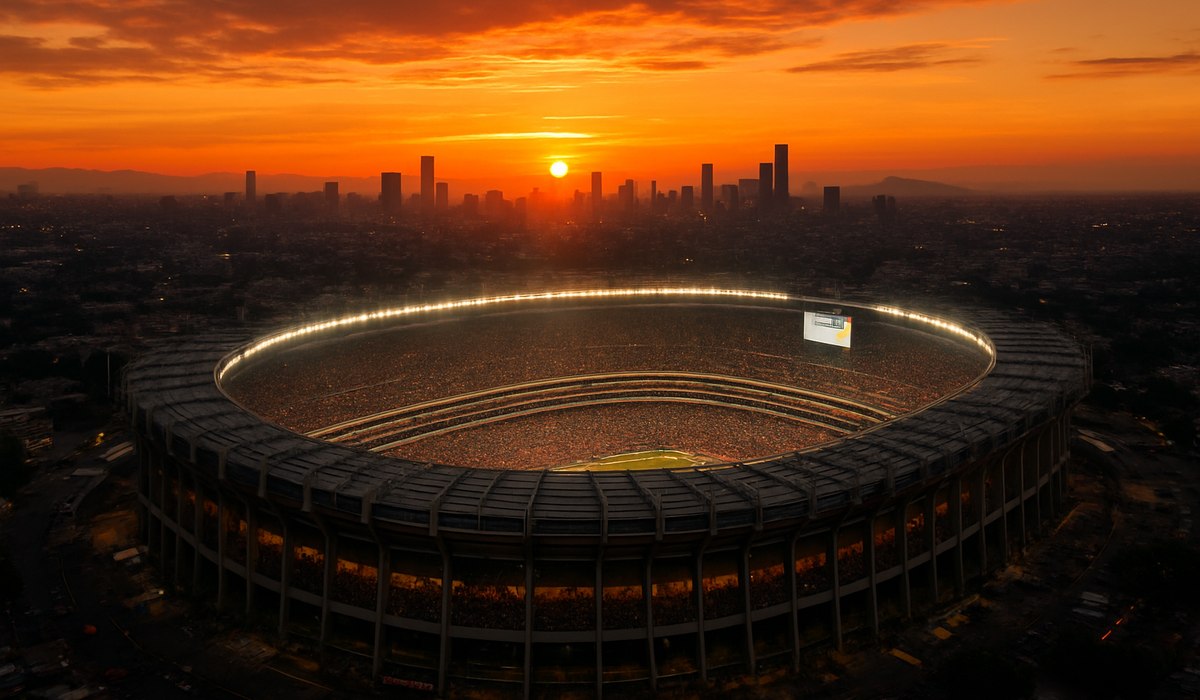
Image generated by AI
Mexico's Expanded World Cup Role Transforms North American Sports Tourism
Mexico is reshaping global sports tourism strategy through its pivotal role in the 2026 FIFA World Cup, co-hosted across North America. Three Mexican cities—Mexico City, Guadalajara, and Monterrey—will host 13 matches across the tournament's expanded 104-game schedule, with the opening match launching from Estadio Azteca in the capital. This represents Mexico's historic distinction as the first nation to host World Cup matches across three separate tournament editions. The expanded 48-team format is projected to attract over 5.5 million spectators to North American venues while generating tens of billions in regional economic activity. For travelers, this means unprecedented access to world-class sporting events combined with strategic tourism opportunities designed to showcase Mexico beyond stadium boundaries.
Mexico's Triple-Host Role in a Record-Breaking Tournament
The 2026 FIFA World Cup marks a watershed moment for mexico world cup 2026 sports tourism, fundamentally altering how major sporting events distribute economic benefits across multiple destinations. Unlike traditional World Cups concentrated in a single country, this tournament spans three nations with Mexico playing a compact but strategically significant role. The thirteen matches scheduled for Mexican venues represent a carefully balanced portfolio that positions the country as a premier sports tourism destination without requiring massive new stadium construction.
Estadio Azteca in Mexico City claims the opening match, establishing the capital as the tournament's symbolic gateway. Guadalajara and Monterrey round out the Mexican trilogy, each hosting matches that will draw hundreds of thousands of international visitors. This geographic distribution strategy differs sharply from previous tournaments, emphasizing existing infrastructure optimization over costly new builds. FIFA's official tournament structure outlines how this expanded format redistributes visitor flows across North America, creating ripple effects for accommodation, dining, and cultural tourism throughout Mexico's host regions.
Projected Economic Windfall and Changing Tourism Dynamics
Economic forecasts surrounding mexico world cup 2026 sports tourism paint a compelling picture of regional transformation. Mexico's national business confederation CONCANACO SERVYTUR projects that World Cup-related activity could generate approximately 200 billion pesos in direct economic benefits—substantially exceeding earlier government estimates. These projections encompass accommodation revenues, food and beverage spending, transportation costs, retail activity, and specialized event services across the three host cities.
Industry analyses suggest that incremental hotel revenues will spike sharply during June 2026, particularly around match dates. Mexican destinations possess competitive advantages over North American counterparts through lower average price points and established international brand recognition. Tourism strategists emphasize that the tournament represents a catalyst for converting match-attending visitors into long-term repeat travelers. National agencies are actively promoting extended itineraries combining World Cup matches with colonial heritage sites, beach destinations, and cultural routes. This integrated approach aims to distribute economic gains beyond stadium cities while strengthening Mexico's position within global sports tourism markets.
Infrastructure Strategy: Existing Venues Over New Construction
Mexico's approach to global sports events infrastructure prioritizes strategic upgrades to established venues rather than building entirely new facilities. This pragmatic methodology reduces financial risk while maximizing return on investment for long-term community benefit. Mexico City is implementing comprehensive airport modernization programs, including runway and terminal expansions at Benito Juárez International Airport, alongside enhanced public transportation connections to Estadio Azteca.
Guadalajara and Monterrey are pursuing parallel modernization agendas focused on stadium enhancements, digital connectivity infrastructure, and logistics capacity expansion. Monterrey's development initiatives specifically leverage the World Cup timeline to accelerate planned road projects, hotel construction, and convention facilities that will support diversified economic activity beyond the tournament. Similar narratives emerge from Guadalajara, where municipal planners align match-day operations with comprehensive urban regeneration objectives designed for lasting community impact. This infrastructure-first strategy ensures that sporting event investments generate sustainable benefits extending decades beyond the final whistle.
Legacy Planning and Post-Tournament Visibility
The true measure of destination tourism success lies not in immediate revenues but in permanent positioning within global travel consciousness. Mexico's host cities are architecting comprehensive legacy plans that transform World Cup infrastructure into enduring economic assets. Security protocols, surveillance systems, and crowd-management frameworks implemented for match-day operations will enhance visitor confidence and public safety perception long after tournament conclusion.
State and municipal authorities frame World Cup preparations as springboards for broader economic diversification rather than isolated sporting spectacles. Enhanced airport capacity, upgraded transportation networks, and expanded hospitality infrastructure will accommodate growing international visitor volumes for years beyond 2026. Tourism campaigns increasingly emphasize Mexico's multifaceted appeal—combining sporting events with archaeological sites, culinary experiences, and natural attractions. This integrated positioning strategy addresses international concerns about safety and visitor experience while establishing Mexican destinations as comprehensive tourism hubs rather than single-event venues. The strategic emphasis ensures that 2026 World Cup investments generate compounding returns through sustained tourism growth.
Key Data: Mexico's 2026 World Cup Economic and Operational Profile
| Metric | Value | Impact |
|---|---|---|
| Total Matches Hosted | 13 of 104 | Positions Mexico as significant tournament contributor |
| Projected Economic Benefit | ~200 billion pesos | Exceeds prior government estimates substantially |
| Expected Spectators | 5.5+ million | Distributed across North America with Mexico concentration |
| Opening Match Venue | Estadio Azteca, Mexico City | Establishes capital as symbolic tournament gateway |
| Host Cities | Mexico City, Guadalajara, Monterrey | Strategic geographic distribution across regions |
| Hotel Revenue Spike | June 2026 peak | Match days and surrounding weeks create demand surges |
| Tournament Format | 48-team expansion | First expanded World Cup, largest in history |
| Infrastructure Focus | Existing venue upgrades | Avoids costly new construction while ensuring capacity |
| International Visitors Expected | Millions beyond match attendees | Festival promotions and cultural attractions drive additional visitation |
| Long-term Economic Window | Decades beyond 2026 | Infrastructure improvements generate sustainable community benefits |
What This Means for Travelers
Actionable Takeaways for World Cup 2026 Visitors
1. Book Accommodations Early Across Mexican Host Regions June 2026 hotel availability in Mexico City, Guadalajara, and Monterrey will face unprecedented demand. Reserve lodging immediately once ticket allocations become available. Consider properties in secondary neighborhoods offering better value while maintaining convenient stadium access.
2. Extend Your Visit Beyond Match Days International flight investments justify multi-week Mexican itineraries combining World Cup matches with lesser-known destinations. Integrate colonial heritage sites, beach resorts, or archaeological zones into your schedule, converting single-event trips into comprehensive cultural experiences while supporting broader economic distribution goals.
3. Plan Ground Transportation Strategically Infrastructure upgrades will enhance public transit connections between airports and stadiums, but match-day crowds will strain capacity. Pre-arrange ground transportation through hotel services or ride-sharing platforms. Explore regional bus networks connecting Mexico's three host cities for efficient inter-destination travel.
4. Prepare for Enhanced Security Protocols International sporting events necessitate robust security frameworks including bag checks, digital surveillance, and crowd-management procedures. Arrive at venues substantially earlier than typical sporting events to navigate enhanced protocols smoothly without missing opening ceremonies or early-match action.
5. Leverage Extended Tourism Promotions Mexican tourism agencies are actively promoting integrated travel packages combining World Cup access with cultural experiences. Monitor official tourism websites for bundled offerings, festival calendars, and special promotions designed to maximize visitor experiences beyond stadium boundaries.
Disclaimer
This article is for informational and educational purposes only. It does not constitute legal, financial, or professional advice. While we strive to provide accurate and up-to-date information, travel policies, regulations, and conditions change rapidly. Always verify information with official sources before making travel decisions. Nomad Lawyer makes no representations about the accuracy, reliability, completeness, or suitability of the information provided. Readers should consult qualified professionals for advice specific to their circumstances. The views expressed in this article are those of the author and do not necessarily reflect the views of Nomad Lawyer.
Raushan Kumar
Founder & Lead Developer
Full-stack developer with 11+ years of experience and a passionate traveller. Raushan built Nomad Lawyer from the ground up with a vision to create the best travel and law experience on the web.
Learn more about our team →