
Finnish Lapland Plans Municipal Tourist Tax by 2028 to Protect Arctic Infrastructure
Finland is drafting a municipal tourist tax (matkailijamaksu) for Lapland accommodations to fund Arctic preservation and public services by 2028.

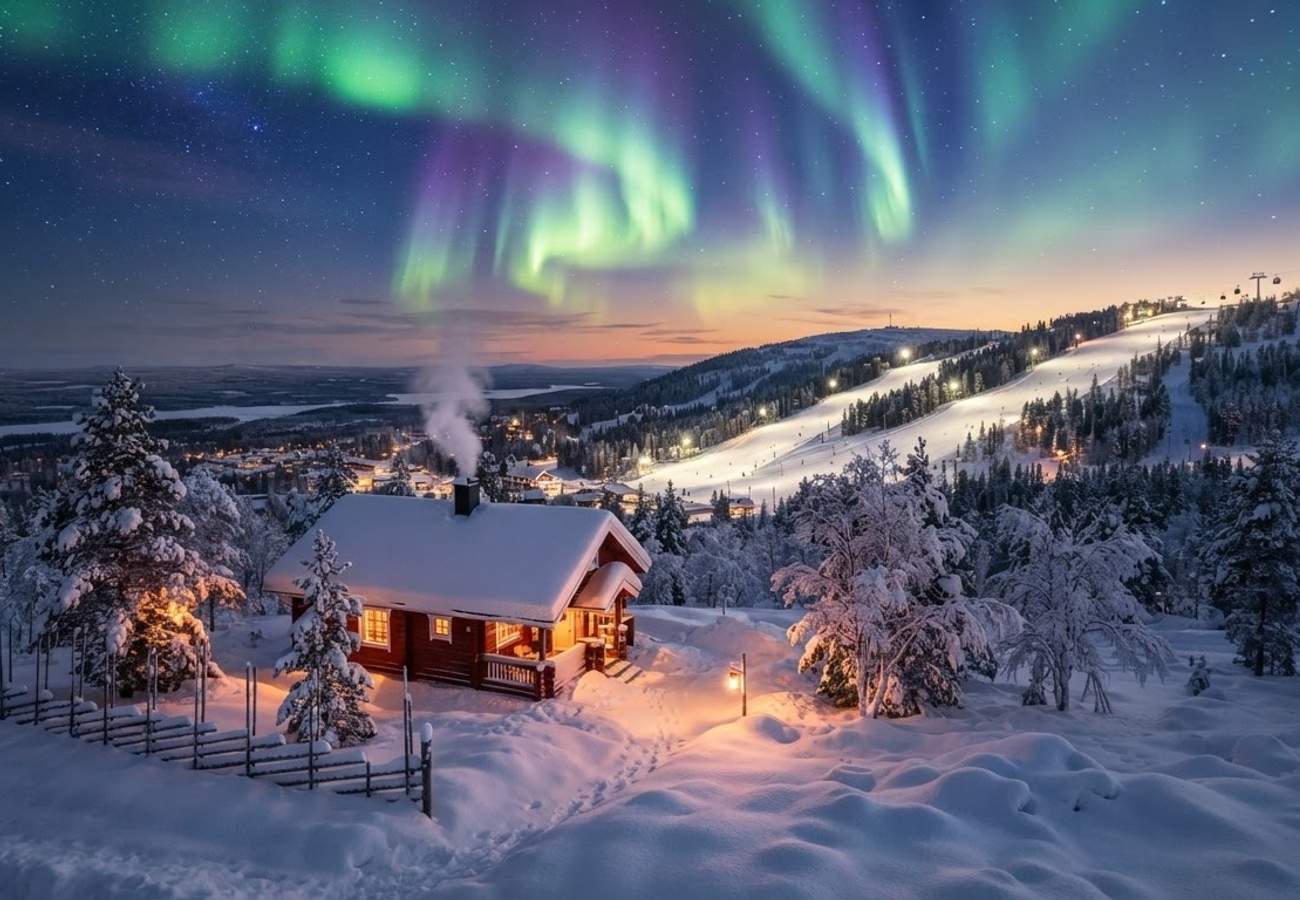
Image generated by AI
Small Arctic communities in Finnish Lapland are moving toward a municipal tourist tax to prevent infrastructure collapse under the weight of global tourism. This shift aims to redistribute the financial burden of emergency services and road maintenance from local residents to the millions of seasonal visitors.
The Shift Toward Sustainable Arctic Funding
Finland has officially begun legislative drafting for an optional municipal tourist tax, known locally as matkailijamaksu. This levy specifically targets commercial visitor accommodations throughout the Lapland region. If the statutory framework is finalized by 2027, local authorities expect to begin collecting these contributions from both domestic and international travelers starting in 2028.
This policy change is a response to a severe fiscal imbalance. In remote sub-arctic environments, small permanent populations are currently funding the massive overhead required to support a surge of international visitors. This includes the maintenance of transport corridors, emergency medical response teams, rescue operations, healthcare units, and environmental waste management. By implementing a dedicated levy, Finland ensures that the people utilizing the pristine natural environments are the ones funding their preservation.
Infrastructure Strain in Kittilä and Levi
The necessity of this tax is most evident in municipalities like Kittilä. During the peak winter season, the visitor population in this region swells to nearly 100 times the number of permanent residents. The high volume of skier days in Levi puts intense physical strain on municipal infrastructure, requiring costly seasonal expansions and constant modernization.
For the visitor, the real impact of this tax is an increase in safety and reliability. Extreme Arctic weather accelerates road damage and increases energy consumption for public facilities. A steady revenue stream allows planners to move from reactive emergency repairs to long-term infrastructure upgrades. This ensures that even during peak winter surges, emergency dispatch remains rapid and transport connections stay smooth.
Economic Structure of the Levy
The proposed financial model is designed to minimize friction for the traveler while maximizing utility for the host community. The expected structure includes:
| Fee Type | Estimated Cost | Primary Allocation |
|---|---|---|
| Nightly Flat Fee | €2 to €3 per night | Road maintenance & waste management |
| Percentage Fee | Added to room rate | Public sanitation & emergency services |
| Municipal Levy | Varies by municipality | Accessibility upgrades & eco-preservation |
This decentralized model mirrors successful tourism management frameworks already active in other major European destinations. By reinvesting these funds, municipalities can expand public transport options and reduce congestion in sensitive natural areas, aligning regional growth with environmental goals.
Cultural and Environmental Value
Beyond the balance sheets, this initiative is about protecting the "spirit" of the North. The move toward localized funding systems safeguards community welfare and ensures that tourism does not erode the quality of life for permanent residents.
There is also a critical focus on inclusivity. Industry specialists are pushing for these funds to address chronic accessibility barriers. Currently, disabled travelers face significant friction in Lapland; the new revenue stream is intended to modernize public spaces, improve pedestrian lighting, and expand accessibility details across the region.
Visitor Insider Tips
For those planning a trip to Lapland as these changes roll out, consider these local insights:
- Off-Peak Exploration: To avoid the extreme crowds that trigger these infrastructure strains, visit during the "shoulder seasons" of September or March. You will find shorter queues for services and a more authentic connection with locals.
- Eco-Etiquette: Support the local economy directly by booking boutique guesthouses over large international chains. This ensures a larger portion of your spend stays within the village.
- Transport Hack: While road maintenance is improving, rely on the local bus networks where available rather than rental cars to reduce the physical impact on narrow Arctic corridors.
- Dining Local: Seek out Poronkäristys (sautéed reindeer) at family-run eateries in Kittilä to support traditional Sami-influenced culinary heritage.
Tourism Outlook
The long-term impact of the matkailijamaksu will likely be a higher standard of luxury and safety for the high-budget international traveler and a more sustainable existence for the local Finn. As global travelers increasingly prioritize destinations that demonstrate proactive environmental stewardship, Lapland is positioning itself as a leader in responsible Arctic tourism. Neighboring Nordic countries are expected to monitor the implementation of this tax closely, potentially leading to a standardized "Nordic Arctic Fee" across the region.
The Arctic is a fragile masterpiece; paying a small premium ensures it remains intact for the next generation of explorers.
Related Travel Guides
Disclaimer
This article is for informational and educational purposes only. It does not constitute legal, financial, or professional advice. While we strive to provide accurate and up-to-date information, travel policies, regulations, and conditions change rapidly. Always verify information with official sources before making travel decisions. Nomad Lawyer makes no representations about the accuracy, reliability, completeness, or suitability of the information provided. Readers should consult qualified professionals for advice specific to their circumstances. The views expressed in this article are those of the author and do not necessarily reflect the views of Nomad Lawyer.
Raushan Kumar
Founder & Lead Developer
Full-stack developer with 11+ years of experience and a passionate traveller. Raushan built Nomad Lawyer from the ground up with a vision to create the best travel and law experience on the web.
Learn more about our team →