
Mexico, Iceland, Türkiye, and the US Battle for Wellness Tourism Dominance as Nature Immersion Travel Explodes in 2026
Four major destinations are competing fiercely to capture the booming nature immersion wellness market, leveraging cenotes, geothermal springs, and volcanic caves as travelers abandon traditional spas.

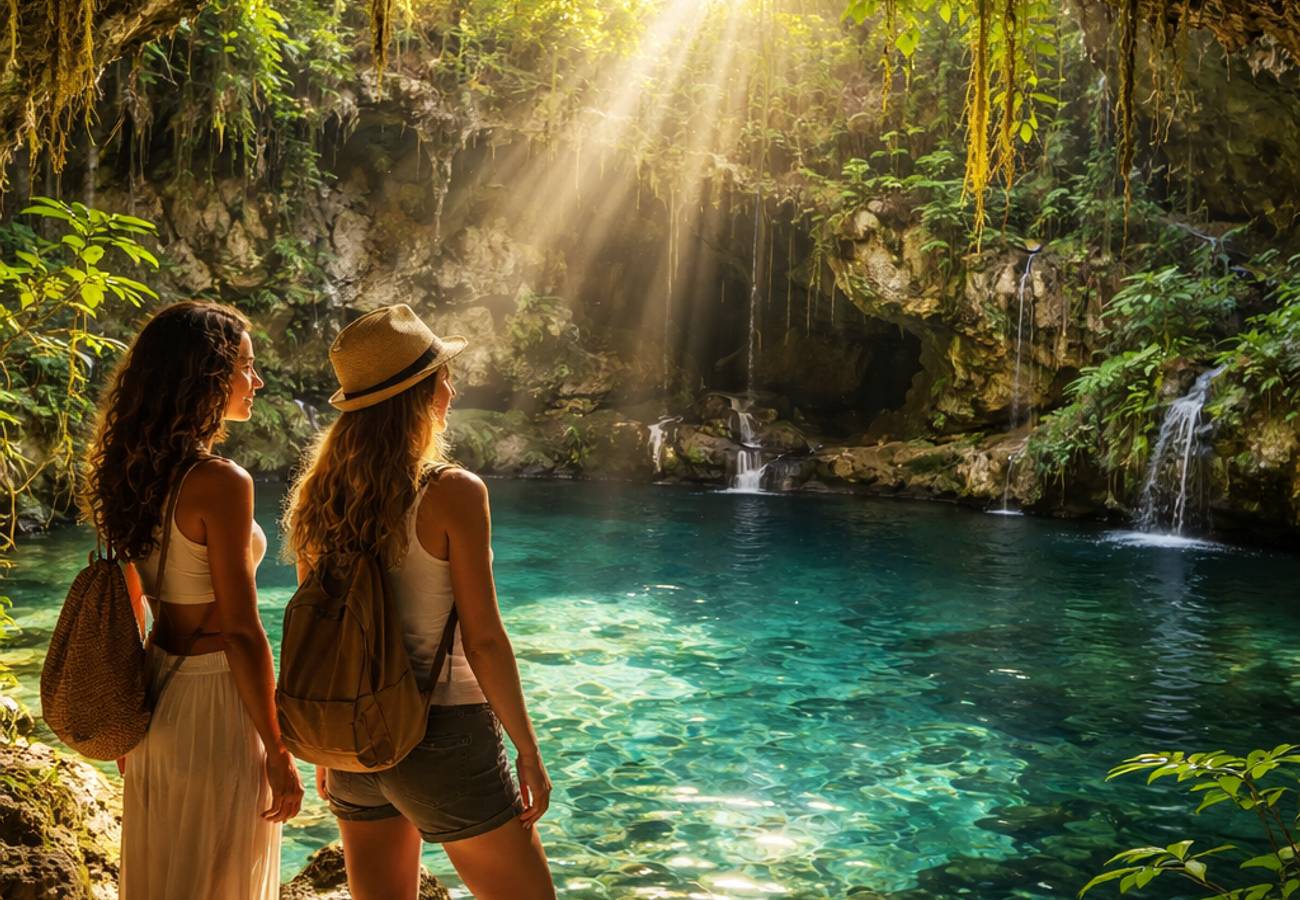
Image generated by AI
The wellness tourism industry just entered a new era—and it's not happening inside luxury spas anymore.
From the underground cenotes of Mexico to Iceland's geothermal valleys and Türkiye's volcanic caves, four major destinations are locked in a fierce competition to capture what industry analysts are calling the fastest-growing tourism segment of 2026: nature immersion wellness travel. The shift is seismic. Travelers are abandoning air-conditioned treatment rooms for limestone caverns, moonlit vineyards, and starlit mineral pools—experiences that cannot be purchased anywhere else on Earth.
This is not incremental growth. This is a fundamental reimagining of what wellness tourism means.
The Great Wellness Pivot: From Spas to Landscapes
For decades, wellness tourism operated on a predictable formula: luxury resort + spa facilities + wellness services = satisfied traveler. That model is crumbling.
According to industry observers tracking 2026 travel patterns, travelers are increasingly prioritizing sensory-rich experiences embedded within natural environments over standardized spa treatments. The distinction is crucial. A massage is a service. A cenote sound healing session in Yucatán—where acoustic properties of 2,000-year-old limestone formations create immersive sonic experiences—is a destination you cannot replicate elsewhere.
Reddit: "Paid $3,000 for a spa weekend last year. This year I spent half that on a cenote wellness retreat in Mexico and it changed my life. Can't get that experience anywhere else." — r/travel
The emotional authenticity has become the primary purchasing driver. Travelers now ask a different question before booking: not "How nice is the spa?" but rather "What can I only experience here?"
Mexico's Cenote Dominance: The Model Everyone Else Is Copying
Mexico has emerged as the unexpected leader in this race, and for good reason.
The country's cenotes—natural sinkholes formed in limestone bedrock—have transformed into premium wellness destinations. But Mexico isn't simply marketing natural pools. Tourism operators are strategically positioning cenotes as acoustic chambers for sound bathing, temperature-regulated environments for immersion therapy, and sites for sensory meditation practices tied directly to ancient Mayan cultural heritage.
Beyond cenotes, agave and henequén landscapes across the Yucatán Peninsula are being engineered as experiential wellness settings. Travelers no longer just photograph fields—they bathe in warm earth, practice breathwork amid agricultural terraces, and engage with the scents and textures of regional plant ecosystems. These offerings deliver what luxury hospitality cannot: authenticity that is geographically impossible to replicate.
This competitive advantage is significant. Mexico is attracting wellness travelers specifically because its natural assets create differentiated products that competitors cannot copy without relocating their entire country.
Iceland, Türkiye, and California: The Specialized Response
Iceland has seized upon its geothermal infrastructure and Arctic darkness to build a distinct wellness identity centered on thermal relaxation and celestial experiences. Geothermal stargazing—immersion bathing under the Northern Lights in naturally heated waters—appeals to travelers seeking solitude, natural beauty, and cosmic connection simultaneously.
Türkiye's Cappadocia region is leveraging volcanic geology and ancient cave architecture in unexpected ways. Cave bathing experiences exploit the temperature regulation properties of stone formations, creating naturally cool retreats during summer months and naturally warm sanctuaries during cooler seasons. The added dimension: historical atmosphere. Travelers bathe in caves where civilizations once lived, connecting personal wellness to civilizational memory.
Meanwhile, California's wine country has pivoted sharply toward vineyard-based mindfulness programming. Full-moon breathwork sessions conducted amid Napa and Sonoma vineyards combine agriculture, open landscape immersion, and nighttime atmosphere—creating experiences that feel fundamentally different from daytime wine tastings.
The competitive pattern is clear: each destination is weaponizing its irreplaceable geographic assets.
Why Seasonality Now Matters More Than Luxury Amenities
Here's an unexpected shift that explains 2026's wellness tourism transformation: seasonality has become a primary marketing tool rather than an operational limitation.
Traditional spas operate year-round with minimal variation. Nature immersion experiences do not. Jungle bathing peaks November through April. Vineyard breathwork thrives May through October. Cave bathing reaches optimal conditions April-June and September-October. Star bathing depends on clear skies during September-March windows.
This seasonality is reshaping how travelers plan trips. Rather than viewing it as a constraint, destinations are now highlighting ecological calendars, celestial events, and weather patterns as core marketing elements. Travelers are becoming more strategic planners, booking trips around natural cycles rather than arbitrary calendars.
Tourism providers are responding by creating scarcity-based messaging: "Experience this only during this season, in this location, under these exact conditions." The strategy works because it delivers on the authenticity travelers desperately seek.
The Sensory Revolution: What Luxury Travel Actually Means Now
The transformation extends beyond destination selection. It represents a fundamental redefinition of what "luxury" means in 2026.
Modern luxury is no longer measured in thread count, Michelin stars, or marble bathrooms. It's measured in sensory intensity and emotional impact. A traveler will choose a volcanic cave with temperature-regulated stone walls over a five-star hotel room because the cave engages their tactile, auditory, and emotional senses in ways conventional hospitality cannot.
According to industry analyses of experiential tourism trends, hospitality providers are now designing experiences that emphasize:
- Natural soundscapes (jungle immersion, cenote acoustics)
- Geological formations (cave architecture, volcanic terrain)
- Darkness and silence (sensory deprivation, celestial viewing)
- Temperature extremes (geothermal bathing, cool cave retreats)
- Movement and flow (water therapy, breathwork in open landscapes)
- Scent and atmosphere (agave fields, wine country air)
These elements have become as critical to luxury positioning as traditional amenities. A property offering sensory travel experiences can command premium pricing despite offering fewer rooms, less staff, and minimal infrastructure.
This inversion of luxury values is permanent. Travelers have discovered that emotional value exceeds material indulgence.
The Competitive Endgame: Which Destination Wins?
Mexico currently holds first-mover advantage through cenote saturation and cultural authenticity. Iceland offers celestial and geothermal differentiation. Türkiye delivers historical depth. California provides agricultural sophistication.
None of these destinations can replicate another's natural assets. The winner will not be determined by marketing budgets but by execution speed—which destination develops, markets, and scales nature immersion experiences fastest while maintaining authenticity.
What's certain: the traditional spa resort model has become obsolete. Wellness tourism in 2026 belongs to destinations willing to position their landscapes as the primary offering rather than ancillary amenities.
The travelers demanding these experiences aren't searching for comfort. They're searching for meaning, and they're willing to travel anywhere on Earth to find it.
The future of wellness tourism is written in stone, water, and sky—and it's not found in any resort brochure.
Related Travel Guides
Cruise Missing Hiker Found Deceased After Five-Day Search on St. Kitts
Disclaimer
This article is for informational and educational purposes only. It does not constitute legal, financial, or professional advice. While we strive to provide accurate and up-to-date information, travel policies, regulations, and conditions change rapidly. Always verify information with official sources before making travel decisions. Nomad Lawyer makes no representations about the accuracy, reliability, completeness, or suitability of the information provided. Readers should consult qualified professionals for advice specific to their circumstances. The views expressed in this article are those of the author and do not necessarily reflect the views of Nomad Lawyer.
Preeti Gunjan
Contributor & Community Manager
A passionate traveller and community builder. Preeti helps grow the Nomad Lawyer community, fostering engagement and bringing the reader experience to life.
Learn more about our team →